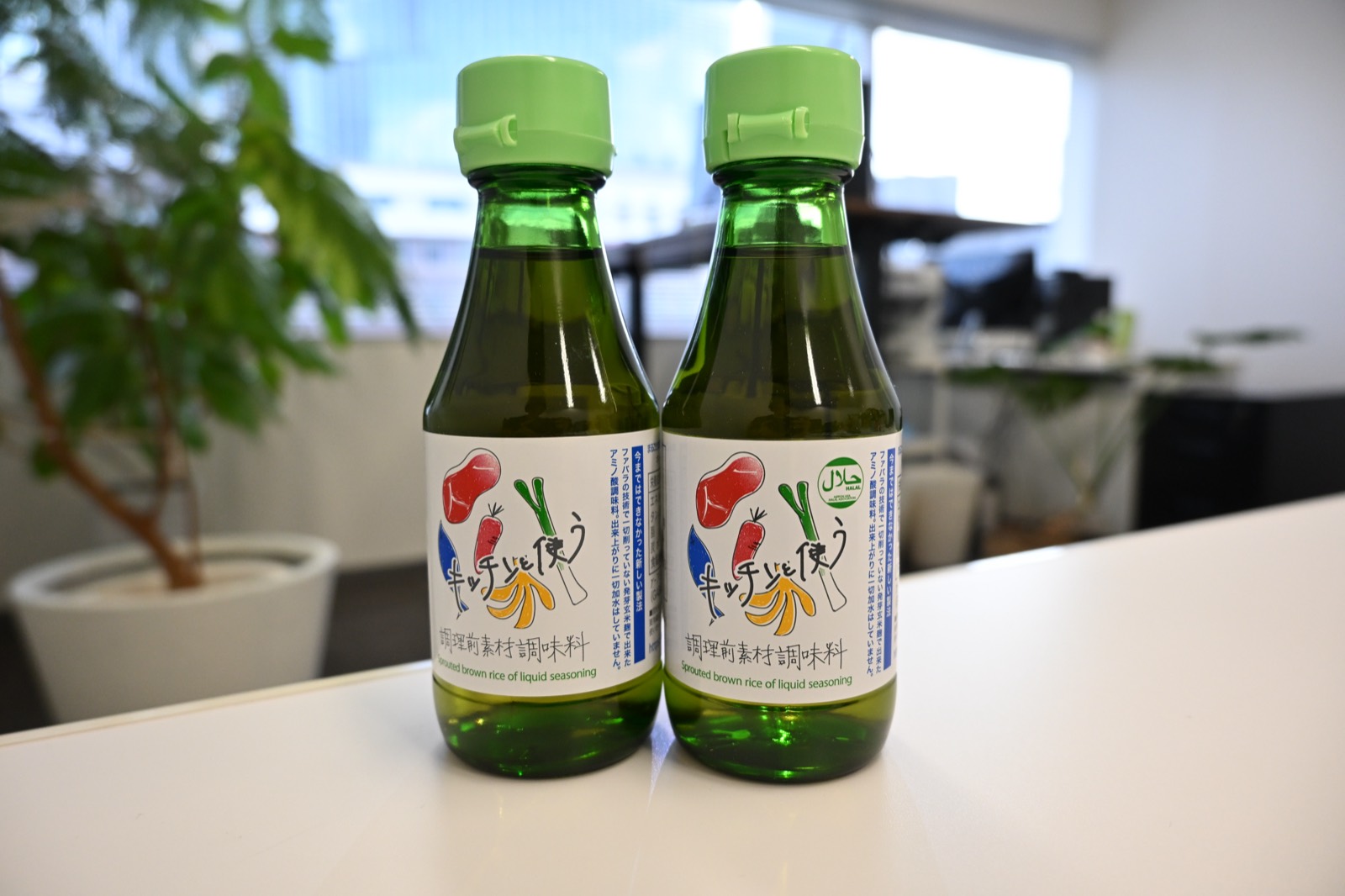
The seasonings lined up on the shelf are, for the most part, sorted by what they add. Do they add saltiness, sweetness, or the flavor of dashi?
This time we visited a maker of a seasoning meant to bring out the taste of the ingredient itself.
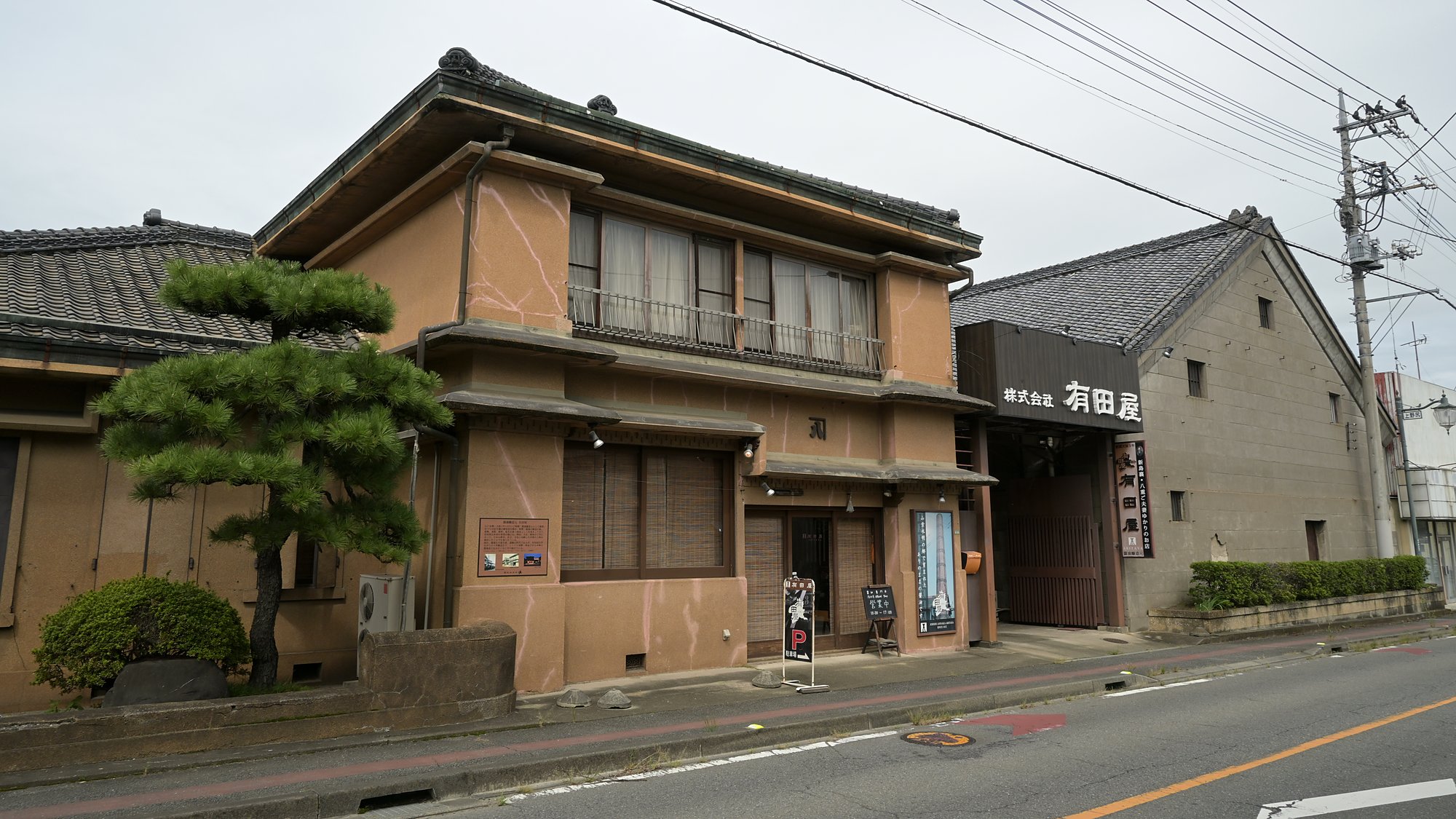
The company is Fabala Inc. (株式会社ファバラ), in Muromachi, Nihonbashi, Tokyo. Founded in 2007, it makes not only seasonings but also sake, coffee and cosmetics, with more than 30 products in all.
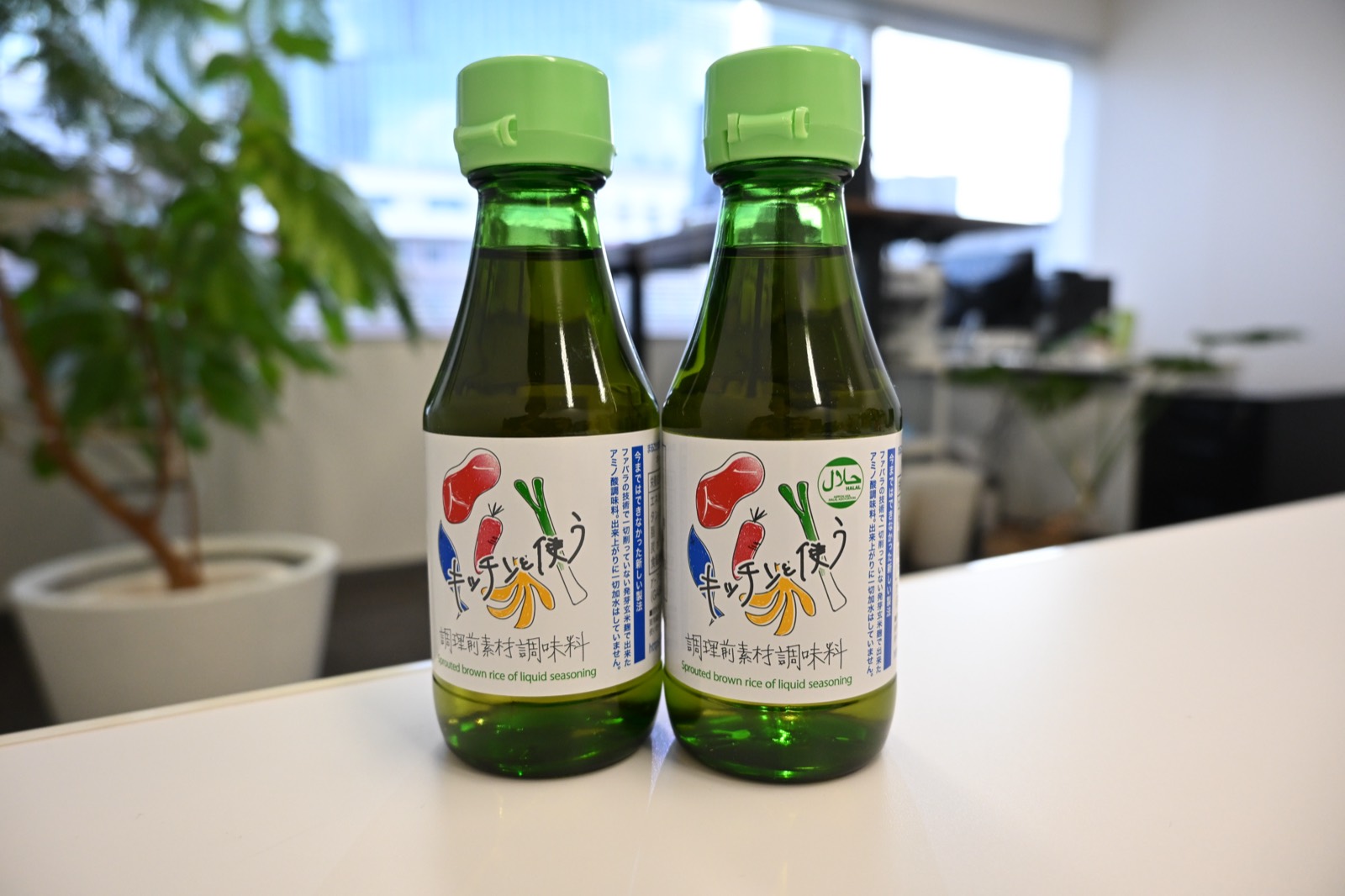
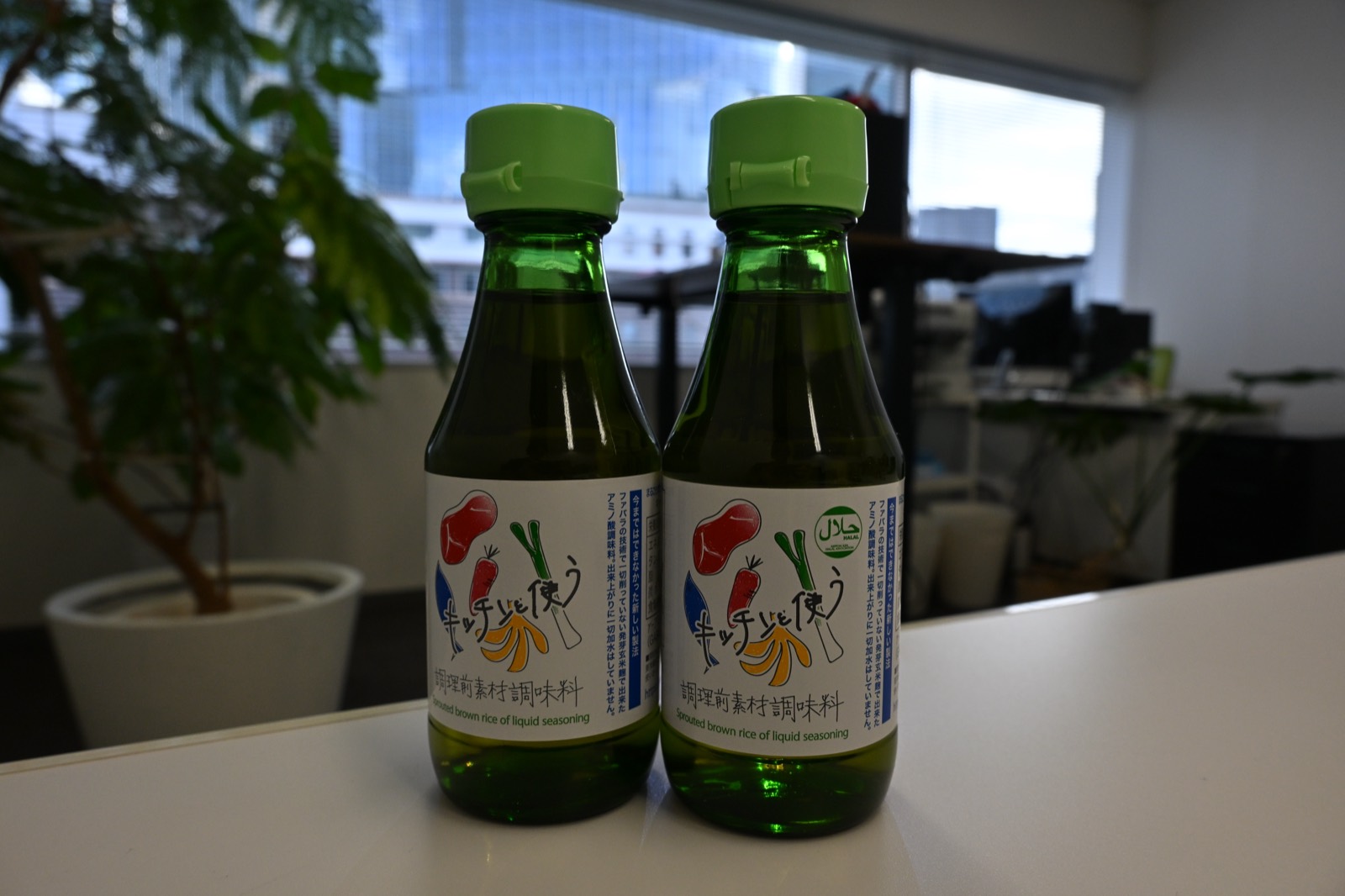
The product is called "Kitchen to Tsukau" (キッチンと使う, roughly "use it with the kitchen"). It is a liquid in a 150 ml bottle, and the label reads "pre-cooking ingredient seasoning" (chori-mae sozai chomiryo). You apply it to vegetables, fish, meat and other ingredients before cooking.
The ingredients are germinated brown rice koji and water, and nothing else. There is no salt and no sweetener at all.
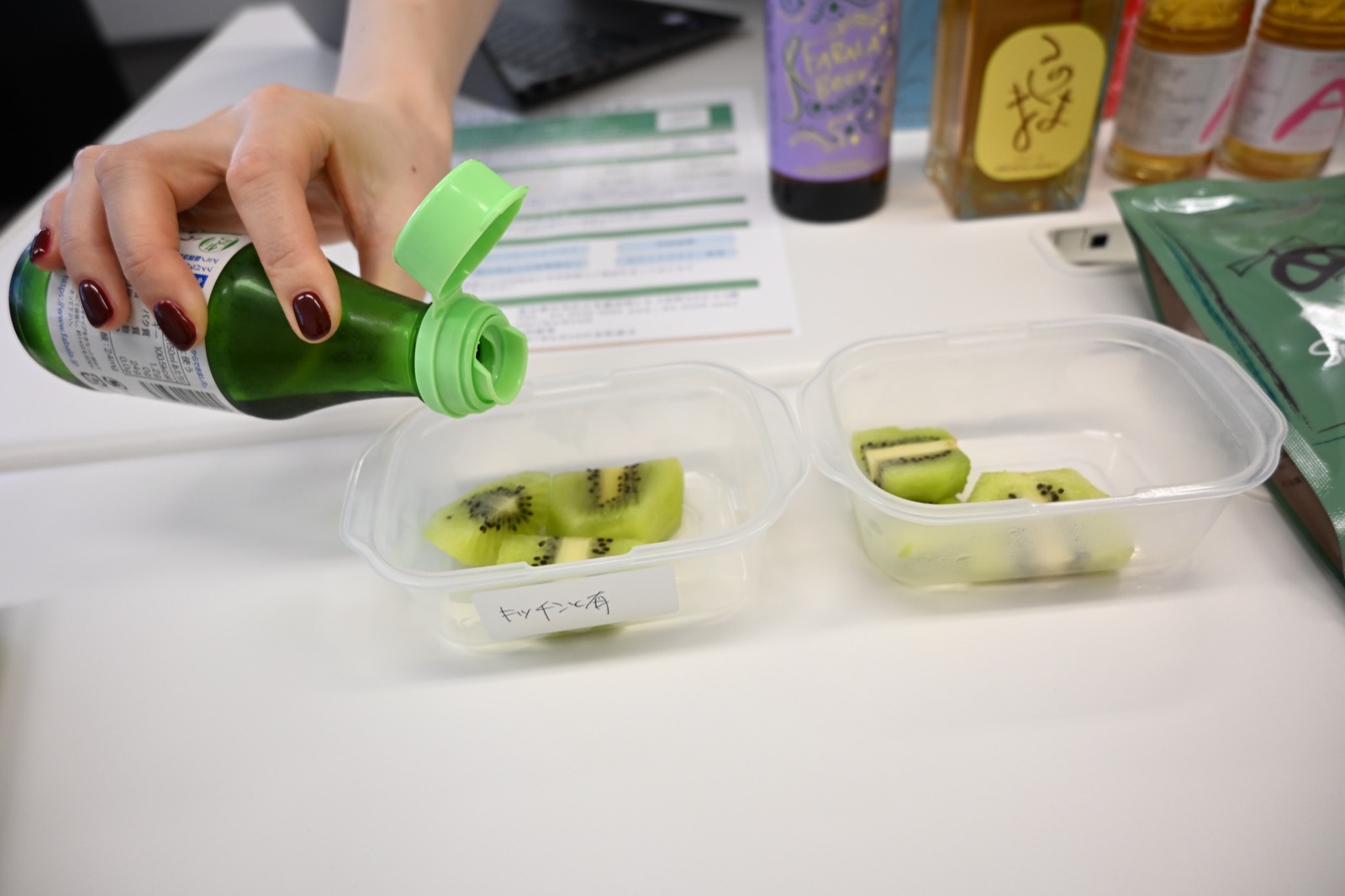
Split one kiwi in half and apply it to one half only
To show us what "bringing out the taste" means, they let us taste the difference.
What they set out for us was a single kiwi cut in half. Only one half had "Kitchen to Tsukau" on it.
We ate the plain half first, drank water to reset the palate, and then ate the half with the seasoning.
Tasting them side by side, the kiwi with the seasoning felt juicier the moment we bit into it, and although it should be the same fruit, the way it came apart in the mouth was different. After we swallowed, the sourness that had lingered before had faded.
A kiwi usually leaves a citrus-like sourness on the tongue at the end, but here it was gone. In its place the sweetness came forward, with a sweetness like that of a golden kiwi. It was a green kiwi, but it tasted like a different variety.
Nothing is added, yet the taste of the ingredient grows stronger. The reason lies not in the raw materials but in Fabala's technology.
"We are not a brown rice company"
On the table, besides the seasoning, were sake, craft beer, coffee, shampoo and even toothpaste.
— Are these all Fabala's products?
They are. We have so many kinds because we are a technology maker. We are not a company that makes brown rice products. We make these to show how far we can take products using that technology.
— What kind of technology is it?
It is the technology of making use of, and drawing out, what an ingredient already has. This seasoning plays that same role of drawing out what the ingredient has. It is not limited to food. It can also be used in shampoo and fertilizer.
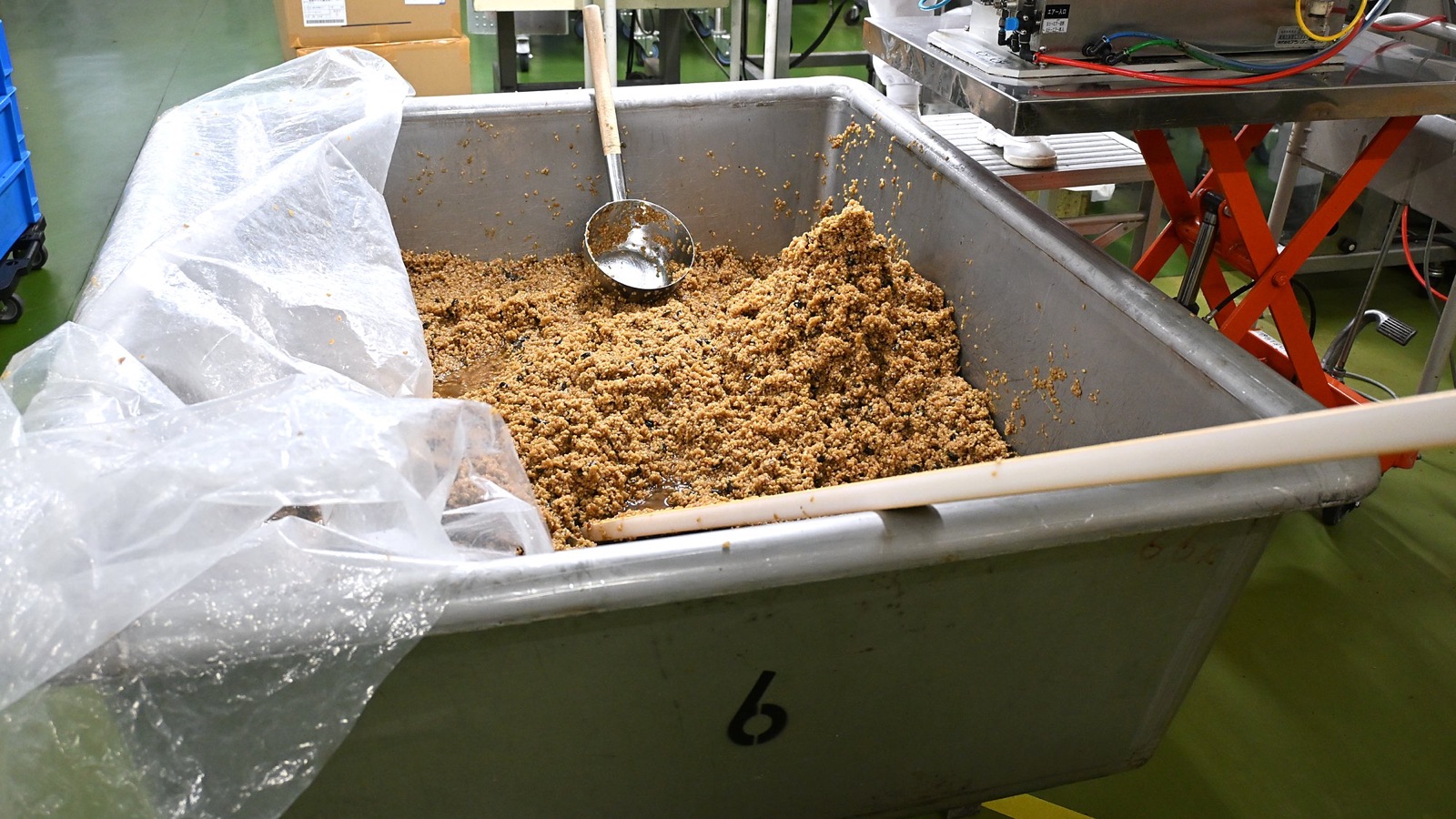
Normally, when making koji, the brown rice is polished first and then koji mold is sprinkled on it. Fabala sprinkles koji mold on brown rice without polishing it at all, and turns it into koji. With this technique of their own, they can make use of what the germinated brown rice itself holds.
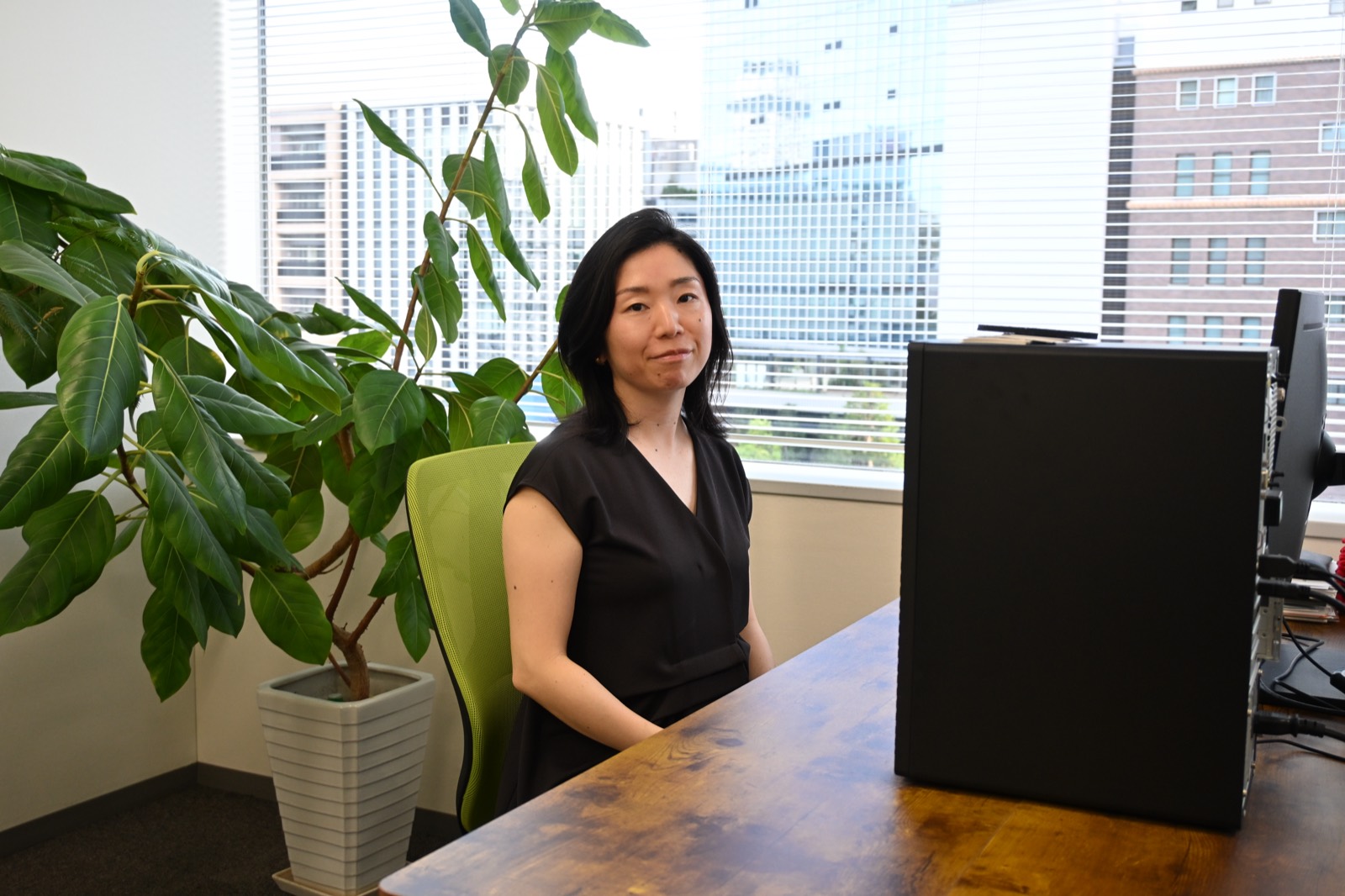
— So it is not about swapping in a better ingredient, but about improving what is already there. It sounds like magic.
Usually the thinking would be to change something or to add something. Our thinking is to make better what is already there. It is not changing the taste, it is bringing out the taste. And it is not magic, it is science.
It began with sake made from germinated brown rice
Fabala's first product was not a seasoning but a sake made from germinated brown rice.
At the time, products made with brown rice tended to get the reaction "it's probably good for you, but the taste...". It was an era that assumed that what is good for the body has to be endured.
If they used their own technology, they thought, they could make something delicious while drawing out the good qualities that brown rice has. That is where product-making with germinated brown rice began. Rather than enduring the taste for the sake of health, they would make it delicious by making the most of the ingredient. This thinking, we were told, still runs through their product-making today.
A koji drink to take amino acids deliciously
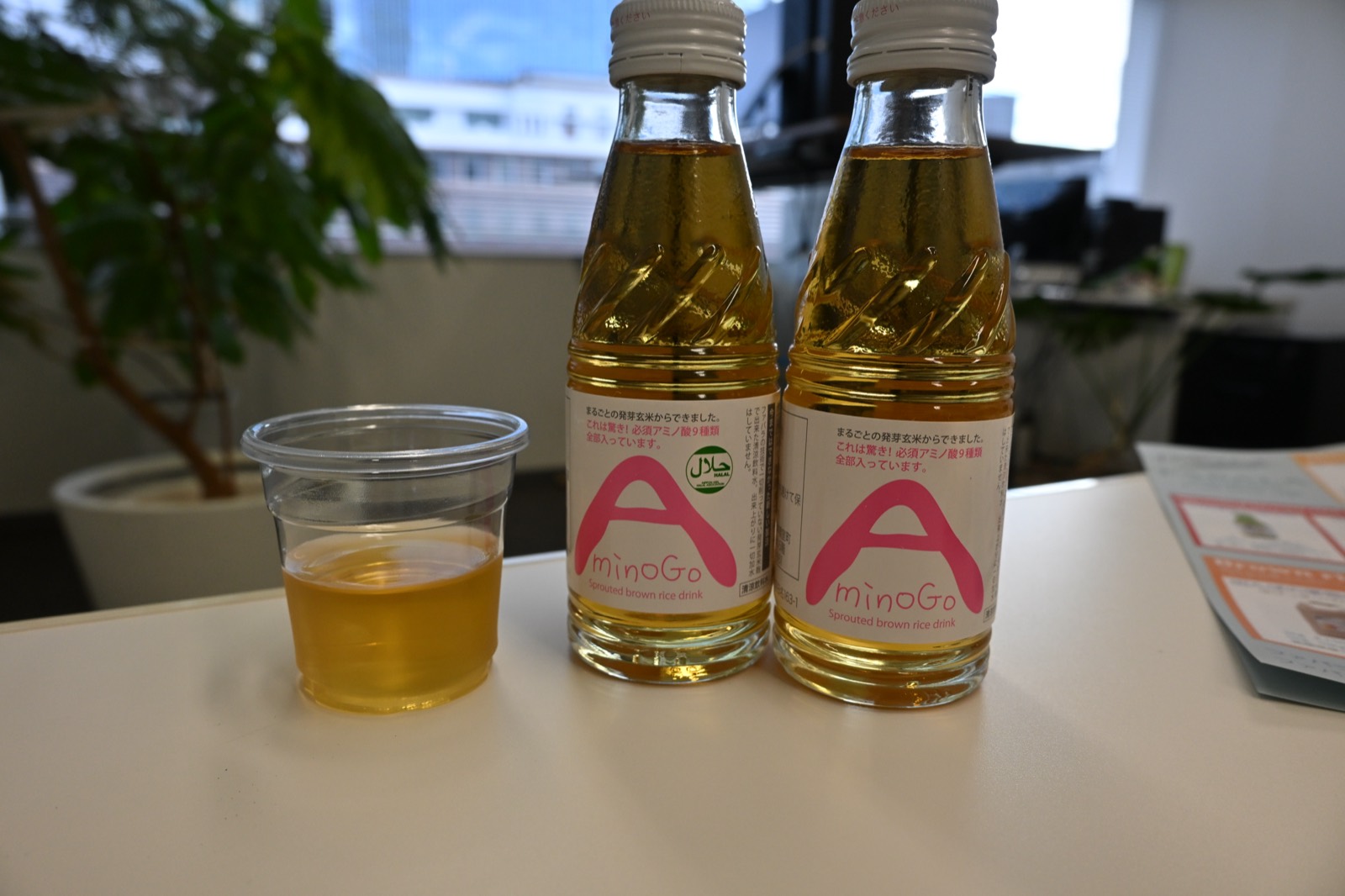
Fabala also makes a drink from germinated brown rice koji. It is an amino acid drink called "AminoGO," pronounced "Amino Jee-Oh."
Many people dislike the distinctive thick texture of amazake (a sweet drink made from rice koji), but this drink was thin, easy to drink and delicious, which left an impression on us.
According to Fabala, no sweeteners or chemical ingredients are used at all. The sweetness is clear, yet it is not the kind that leaves you thirsty. Even though it is a drink made from germinated brown rice, it has a fruit-like sourness. It really is germinated brown rice juice.
We were told that many amino acid drinks are made by chemical synthesis. Fabala's is extracted from germinated brown rice koji. This is not a question of which is better; the source is different. "Kitchen to Tsukau" also contains all nine essential amino acids, the ones the body cannot make for itself.
This "AminoGO" carries a certification called "World Top Athlete Certification" (Sekai Toppu Asurito Nintei).
The program involves Kenji Fujimitsu (藤光謙司), a world championships bronze medalist in track and field. Products are certified through a quantitative review of up to 29 items and a qualitative review in which athletes try the product themselves. Four Fabala products are certified: AminoGO, AminoGO Tablet, the germinated brown rice koji stick, and the soap.
We were told that the fact it is a plant-derived amino acid was valued.
Halal certification, and then Dubai
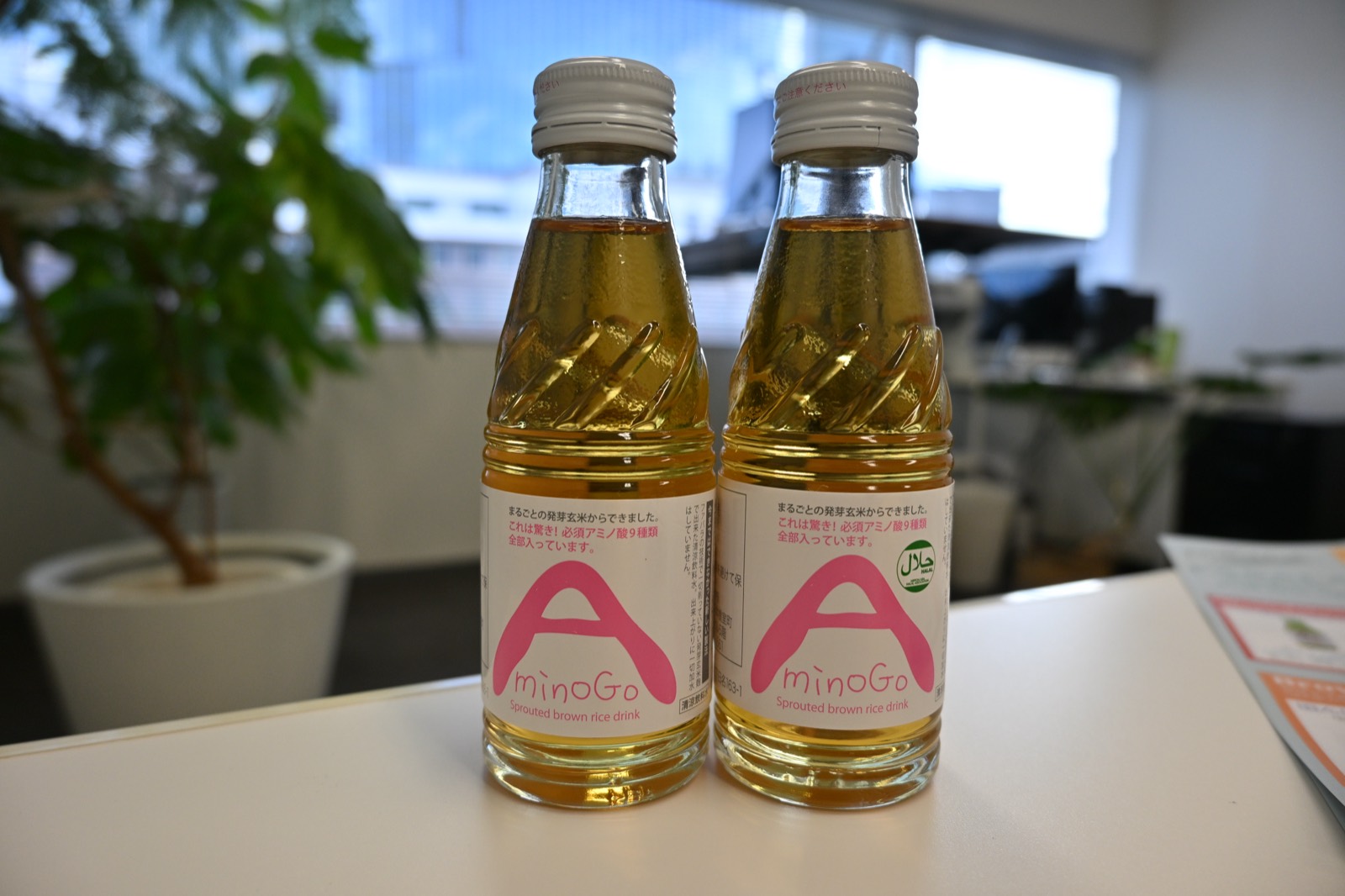
Several of the products on the table carried a mark with Arabic script above the word HALAL.
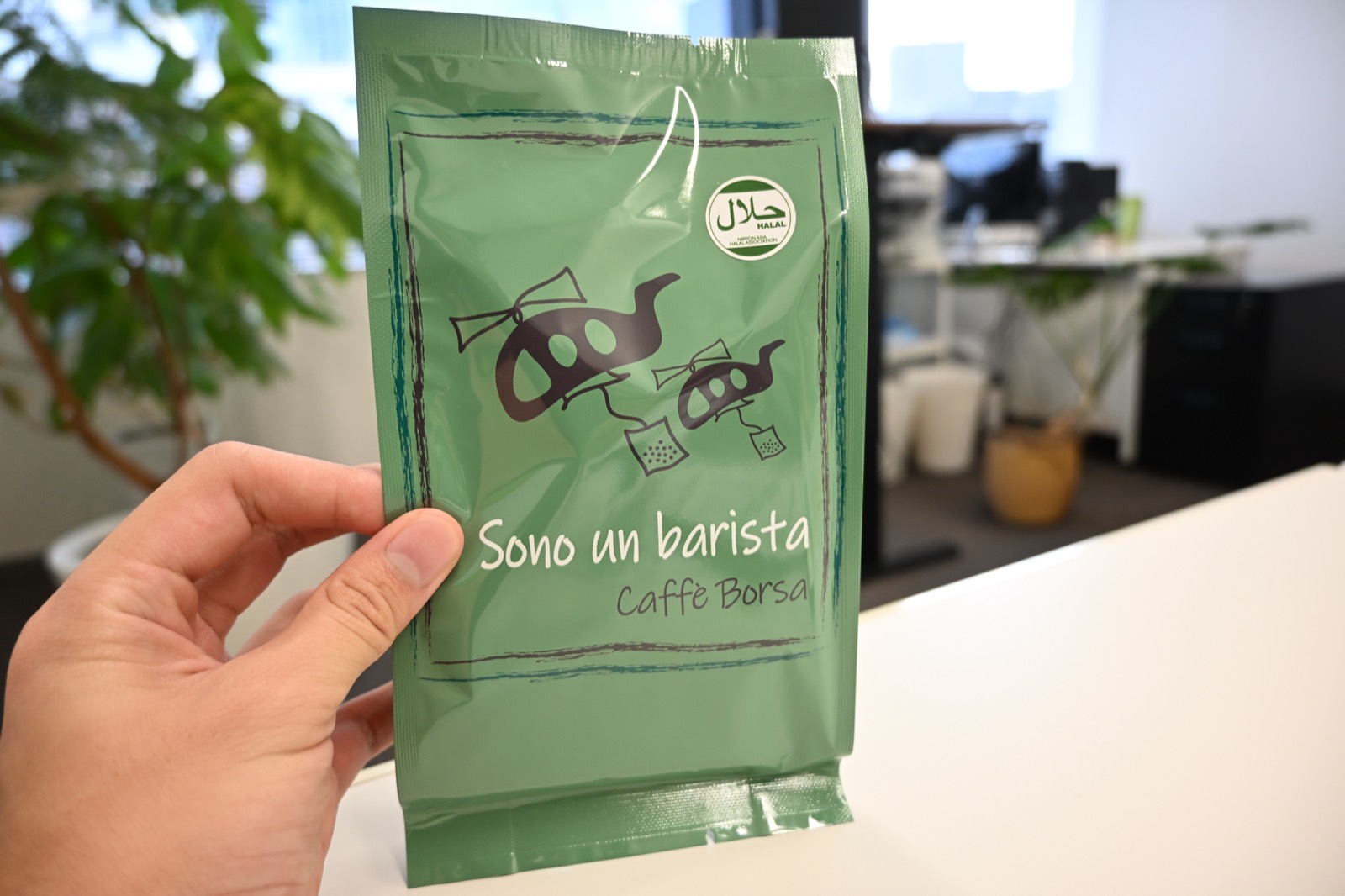
In July 2015 the company obtained certification from the Japan Asia Halal Association (a non-profit organization). Two products were certified: "AminoGO," the drink made from germinated brown rice, and the seasoning "Kitchen to Tsukau." What prompted it was exhibiting at a food trade show in Dubai in 2016, the following year. Afterward, "Teabagコーヒーソノウンバリスタカフェボルサ" was also certified.
A halal product is one that the halal association has certified as acceptable after a strict check of its ingredients and manufacturing process.
At the Dubai venue, many people reportedly stopped in front of the germinated brown rice drink.
"Rice juice? What is this?"
When people tried it they were surprised, and before long some researchers came asking not about the taste but about why it turns out this way.
A domestic bottle made with technology only Fabala has
It is a seasoning made with technology only Fabala has, from germinated brown rice koji and water alone. No salt or sweetener is added, the brown rice is turned into koji without being polished at all, and no soaking time is needed. Seasonings that use koji have existed for a long time, but making koji without polishing the brown rice is a method that Ms. Yamada (山田) and her colleagues took 20 years to bring to form. This bottle applies that technology to a seasoning, with both the raw materials and the production in Japan. The athlete certification and the halal certification are attached to products born from the same technology.
At home, we were told, store-bought sashimi or vegetables before you season them work well. Buy one piece of fruit, cut it in half, and apply it to one half only. That is the quickest way to understand what "bringing out the taste" means.
[Fabala Inc. (株式会社ファバラ)] Head office: 5F Muromachi NS Building, 1-8-3 Nihonbashi Muromachi, Chuo Ward, Tokyo (東京都中央区日本橋室町1-8-3 室町NSビル5階) Established: June 14, 2007 Official site: https://www.fabala.jp/ "Kitchen to Tsukau" (150 ml, 1,134 yen including tax): https://www.fabala.jp/products/kitchento-tsukau
Note: The impressions of the kiwi comparison ("felt juicy" and "the sourness did not linger") and the "fruit-like sourness" of AminoGO are the writer's impressions from tasting. Moisture content and ingredients were not measured. Product information was checked on the official website on October 1, 2026.
Frequently asked questions
"How is Kitchen to Tsukau different from shio-koji?"
"Both use koji, but shio-koji contains salt, so the salty taste is added along with whatever you apply. Kitchen to Tsukau is made from only germinated brown rice koji and water, with no salt and no sweetener. According to Director Yamada, there is no need to marinate: you apply it and go straight on to cooking."
"What exactly changes when it \"brings out the taste of the ingredient\"?"
"As Director Yamada explained it, the sourness that lingers in kiwi, the grassy edge of cucumber and the fishiness of fish are all softened. Flavor is not laid on top; the taste the ingredient already has comes forward. In her words, it is \"not changing the taste, but bringing it out.\""
"Do you apply it before cooking or after?"
"The liquid Kitchen to Tsukau is used before cooking. The official website says to sprinkle it on the ingredient before cooking, and the label on the bottle reads \"pre-cooking ingredient seasoning.\" The powdered \"Aji Kakushi,\" made from the same germinated brown rice koji, is the opposite: it is used after cooking."
"Can a germinated brown rice koji product be used for things other than food?"
"Fabala applies its technology beyond food. In the interview we heard about bread made with low-gluten flour that rose better than bread made with high-gluten flour, an experiment in which frying oil became harder to scorch, and a plant activator mixed into soil. The company calls itself a technology maker, not a seasoning maker."
"How long does it keep once opened?"
"According to Director Yamada, unopened it keeps for 32 months, and once opened you should use it up within about 14 days. The company advises keeping it away from hot places and direct sunlight."