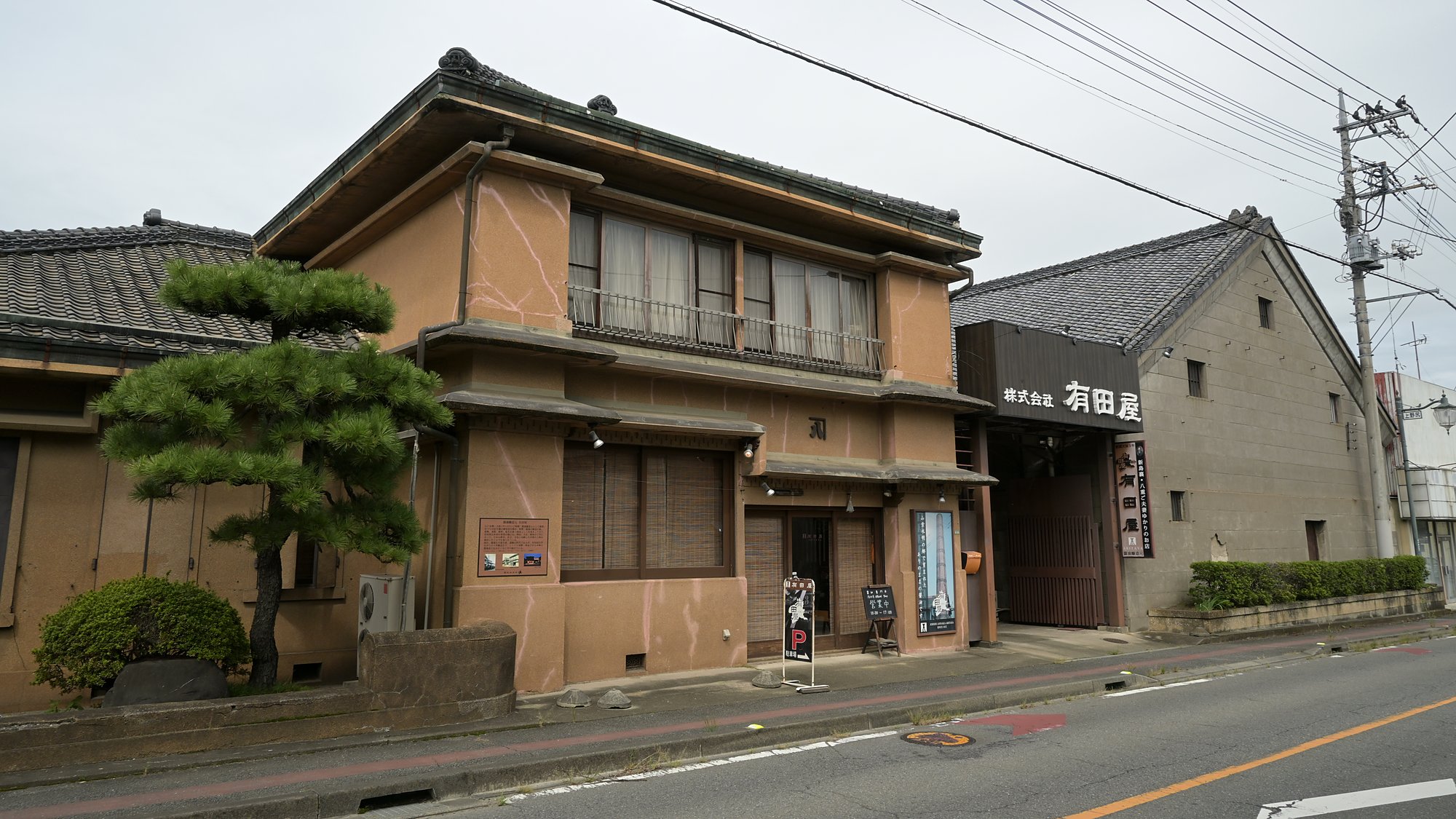
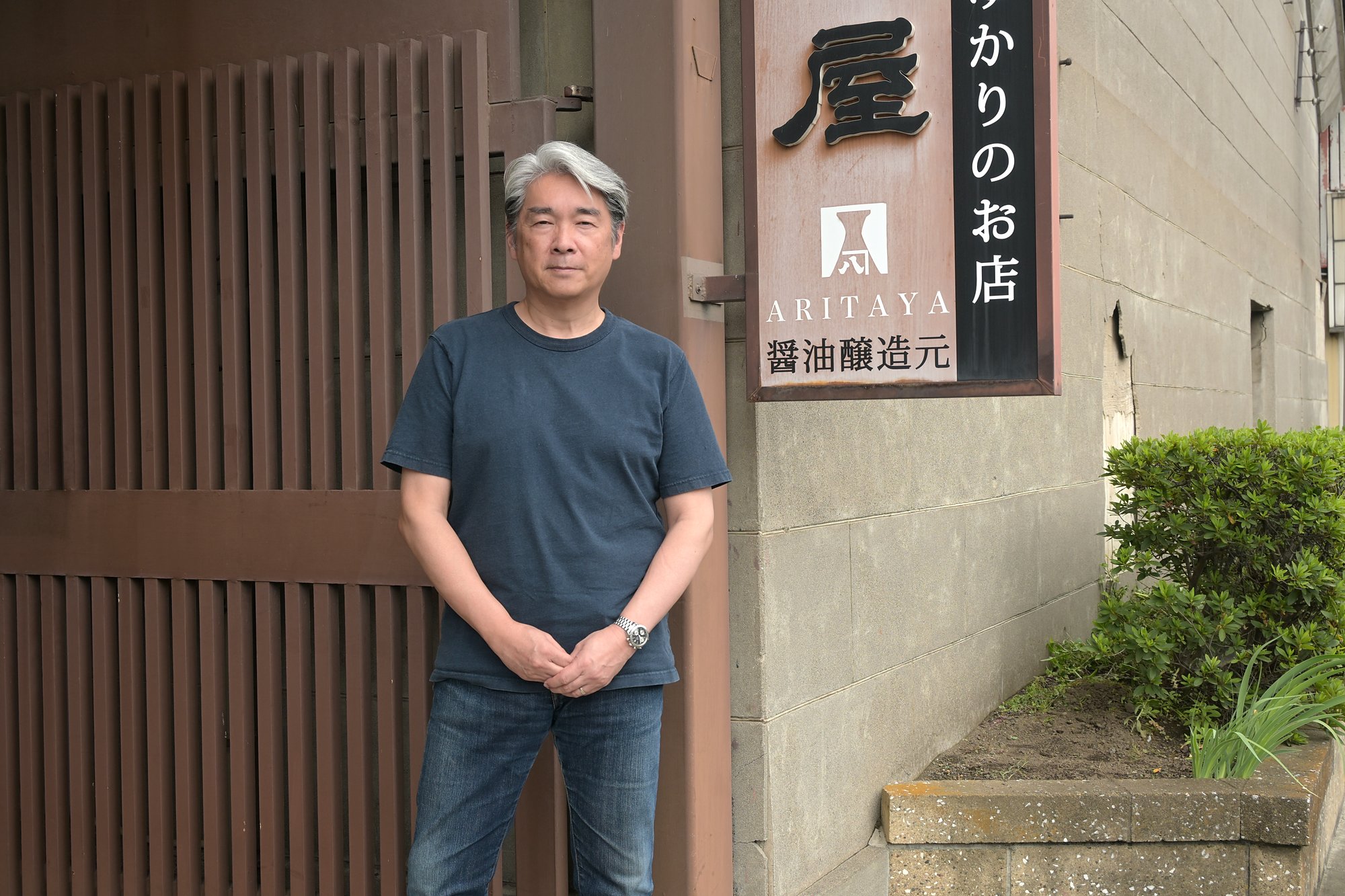
Aritaya (有田屋) in Annaka, Gunma Prefecture, has been making soy sauce since 1832. Kohki Yuasa (湯浅康毅), the 7th-generation owner, says: "It doesn't feel like people are making it. This place is making it." Natural brewing in a brewery built on a foundation of local stone, using the changes in temperature through the four seasons and the work of microbes to let the soy sauce rest. "Annaka Terroir," a project that engages with the land starting from the fields where the ingredients are grown. "Usui Tunnel Aged Naturally Brewed Soy Sauce," in which soy sauce that has rested for at least two years in the brewery is matured a second time in the Usui Tunnel (zuido means tunnel). We asked Mr. Yuasa about the link between Annaka and soy sauce making, and about how to buy and use the soy sauce at home.
Natural brewing in an Annaka stone-footed brewery
Aritaya has been brewing miso and soy sauce since 1832 in Annaka, a castle town of the Annaka domain along the Nakasendo road.
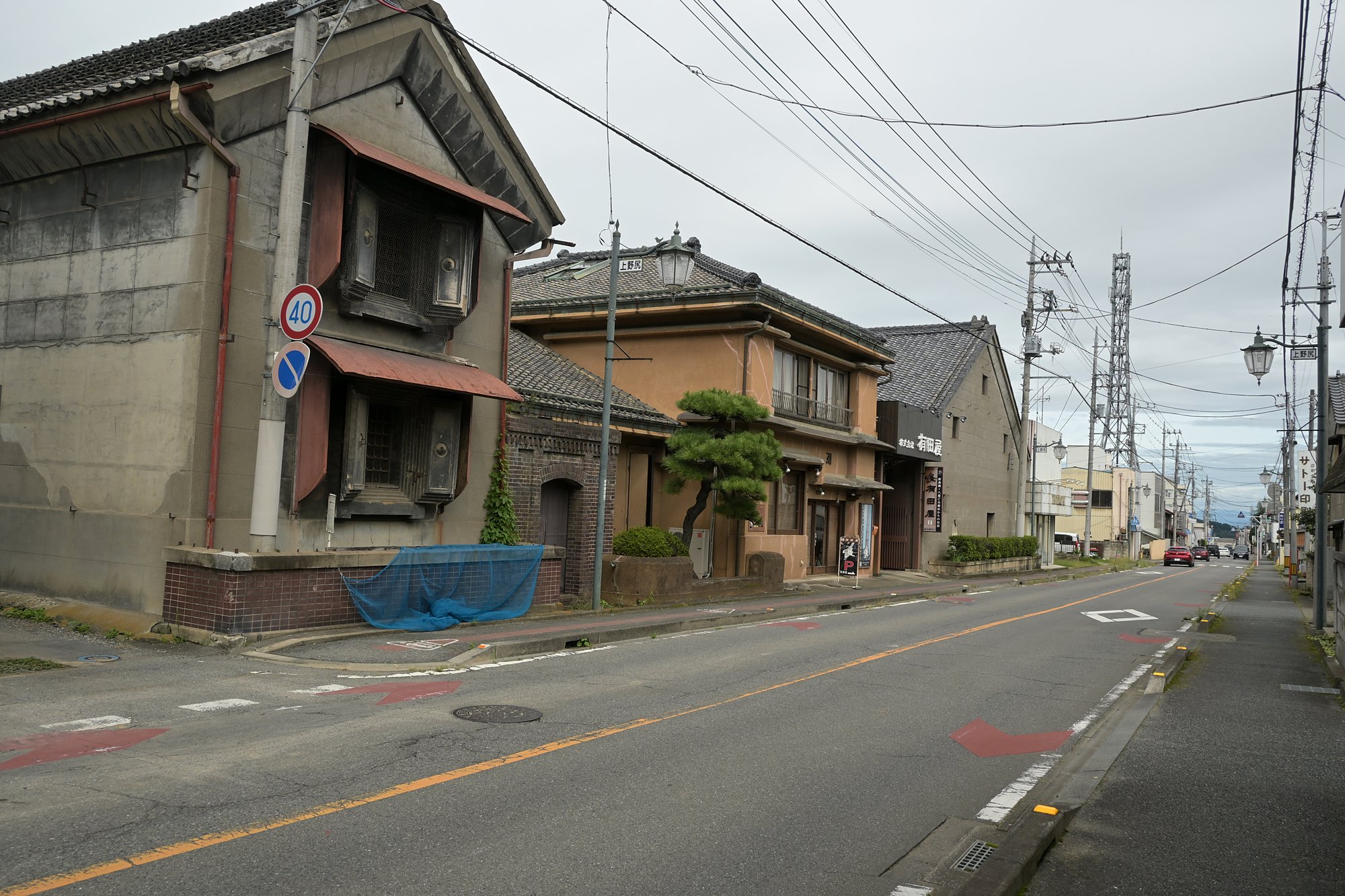
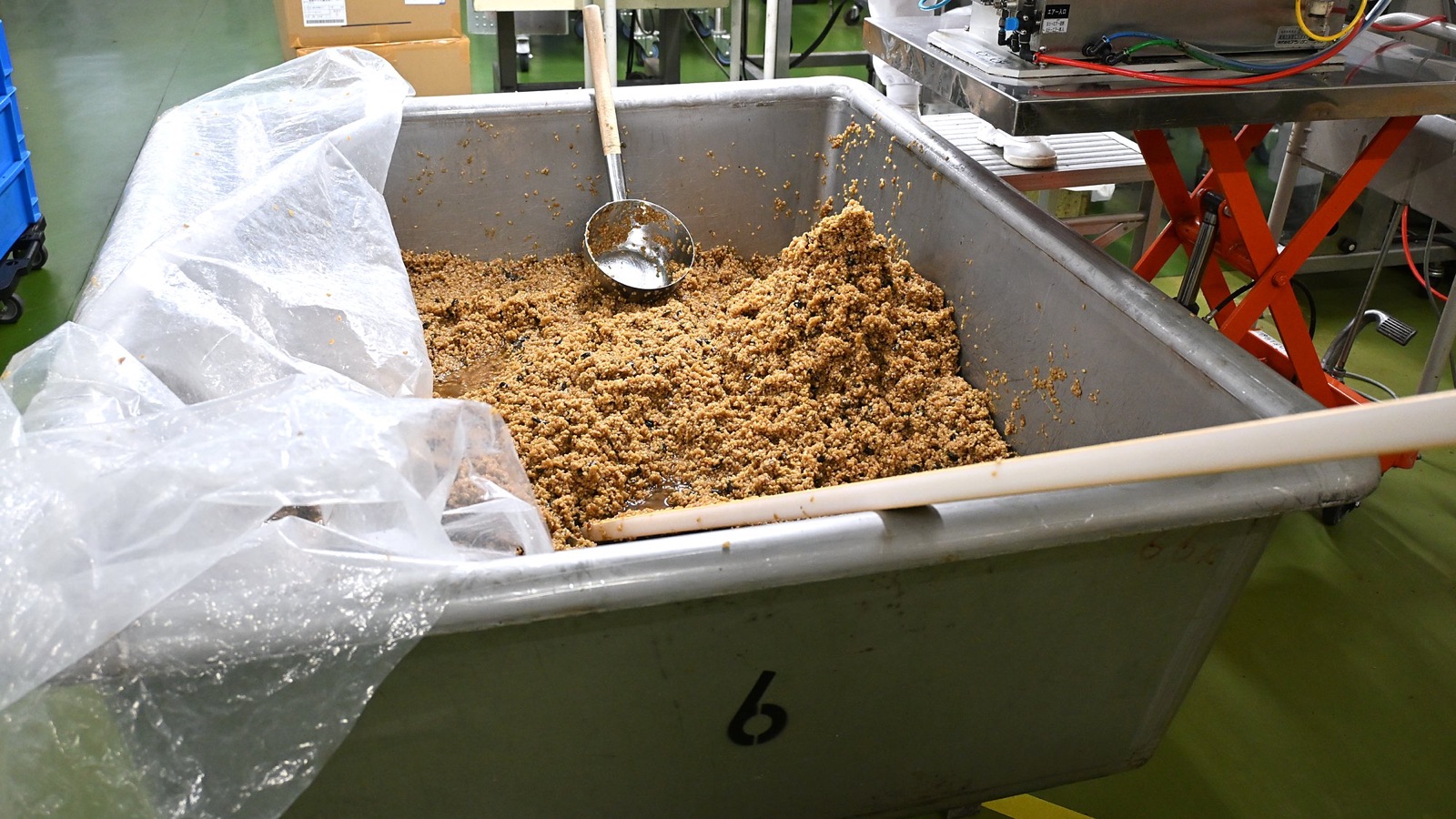
* Moromi is the mash made by combining koji, made from steamed soybeans and roasted wheat, with salt water. It is left to rest and then pressed to become soy sauce.
(Unless noted otherwise, the words below are Mr. Yuasa's.)
— What kind of building is the brewery where you let the soy sauce rest?
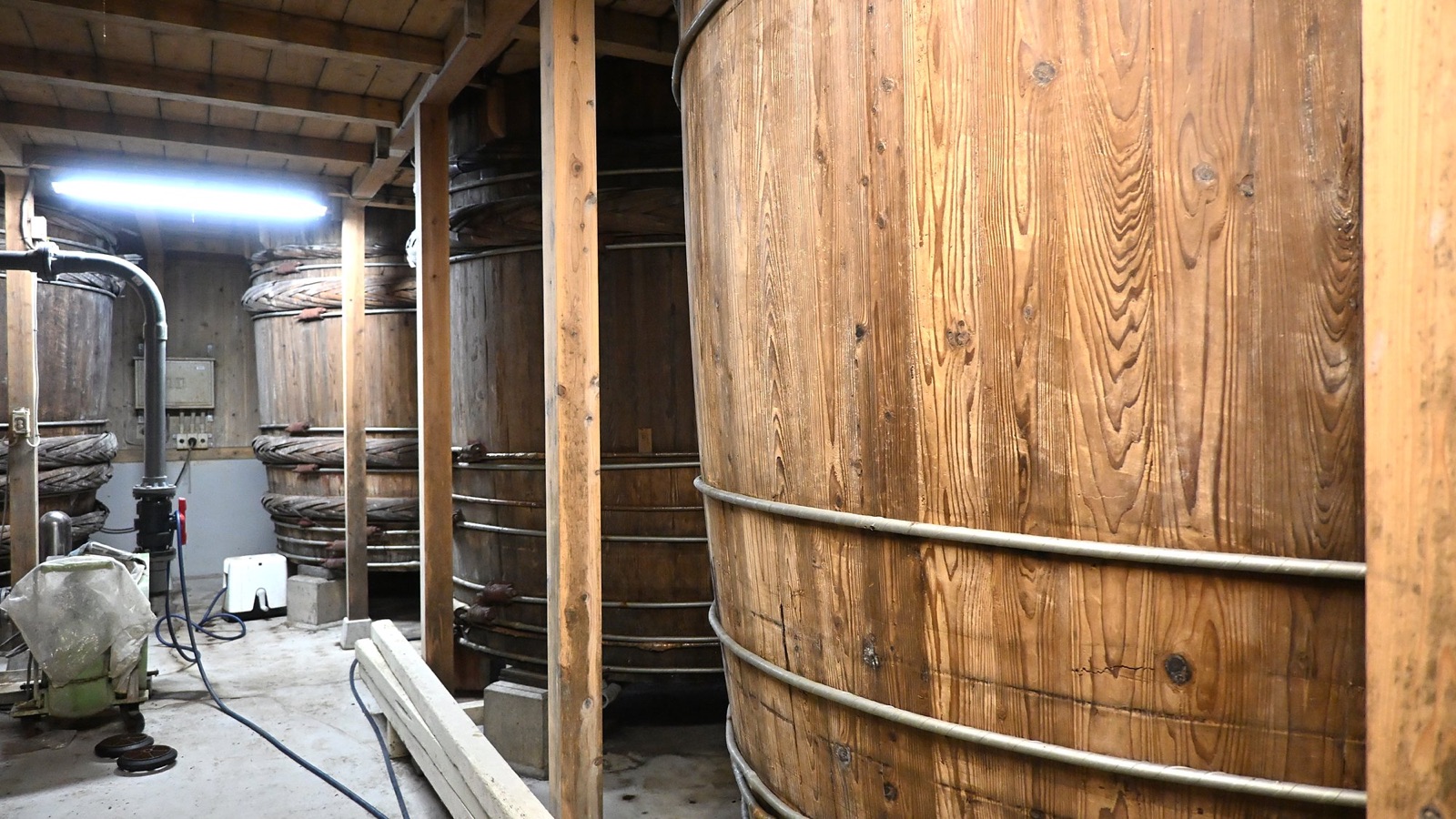
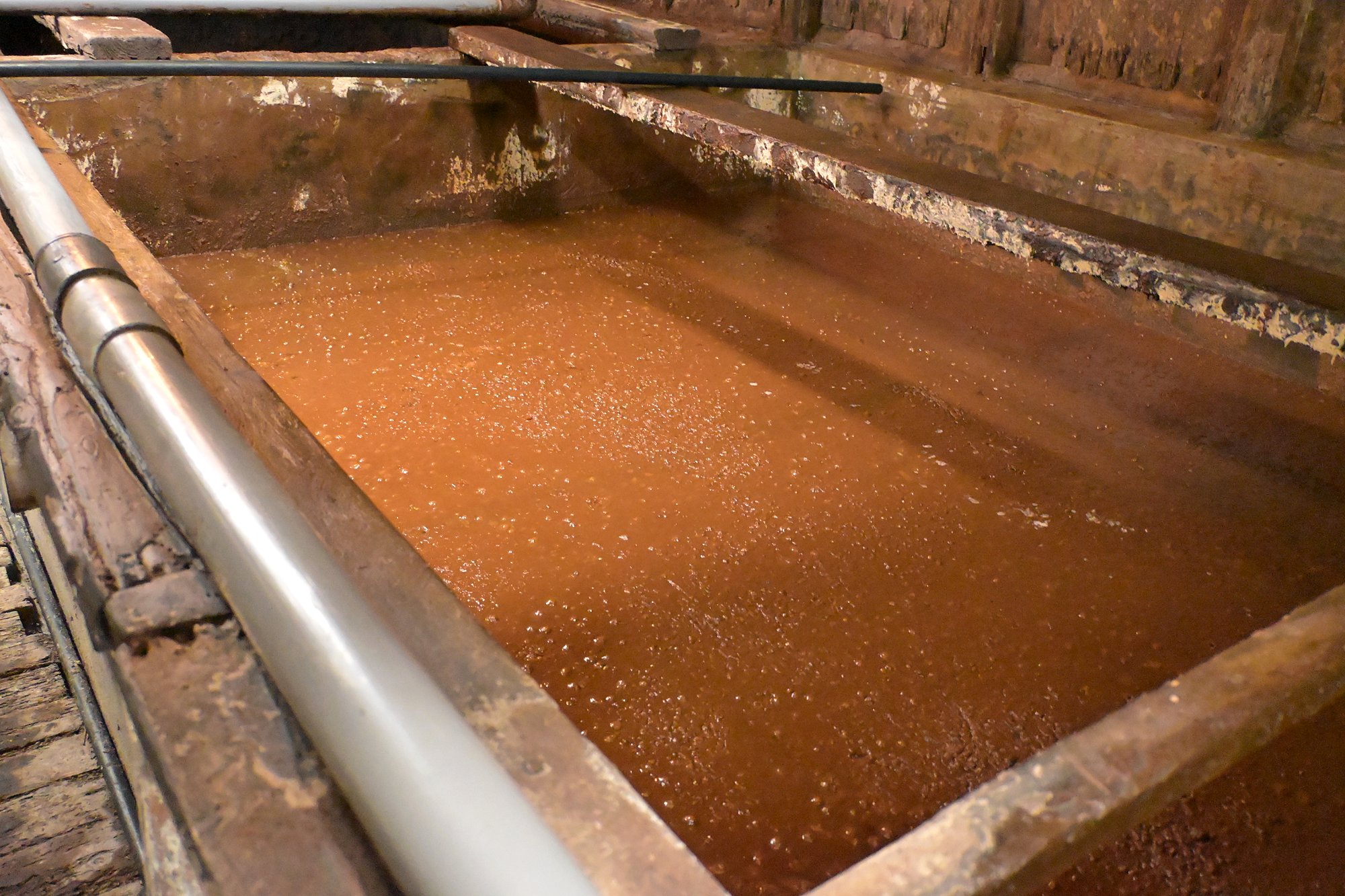
The place where we rest the moromi is called the stone brewery (ishigura). It was built on a foundation of locally quarried stone, with a timber frame and earthen walls. It really is an old building, but its base is made of stone.
According to Mr. Yuasa, through long years of brewing the stone brewery has also become a place where microbes live, and where Aritaya's own environment for fermentation and aging has grown.
— Why have you kept to natural brewing?
I think making things by using the power of nature is wonderful. With soy sauce, for example, if you process the raw materials you can ship sooner, and if you change the brewing environment and warm it, it comes out faster. But I don't think that would give you the flavor that is ours alone.
In our case, it doesn't feel like people are making it. I think that this place is making it is one part of the answer, and I don't want to make anything that goes against the order of nature. I think old-fashioned craft can become part of the regional culture, not just ours.
Before publication, Mr. Yuasa added the following comment: "The flavor of soy sauce comes from the overlap of the climate of the land, the microbes living in the brewery, the raw materials, and the skills and experience of craftspeople handed down through the generations. We value making the most of the power of nature while watching over and supporting its work."
* Aritaya's natural brewing means taking time to brew soy sauce, using the temperature changes of the four seasons and the work of microbes, without speeding up fermentation and aging by artificial heating. Brewing that warms the mash to finish it faster is called heated brewing (*sokujo-ho*, the quick-brewing method).
— What has supported you in carrying on the family business?
Our customers have raised us, really. It is not an exaggeration. At a funeral, people say, "Dad liked this, didn't he?" and offer it together with the flowers. There is nothing that makes me happier. It's a kind of craft where we get to be part of three generations of a family's life.
A chimney shaken by the earthquake, and preparing for 200 years
— How was the brewery during the Great East Japan Earthquake?
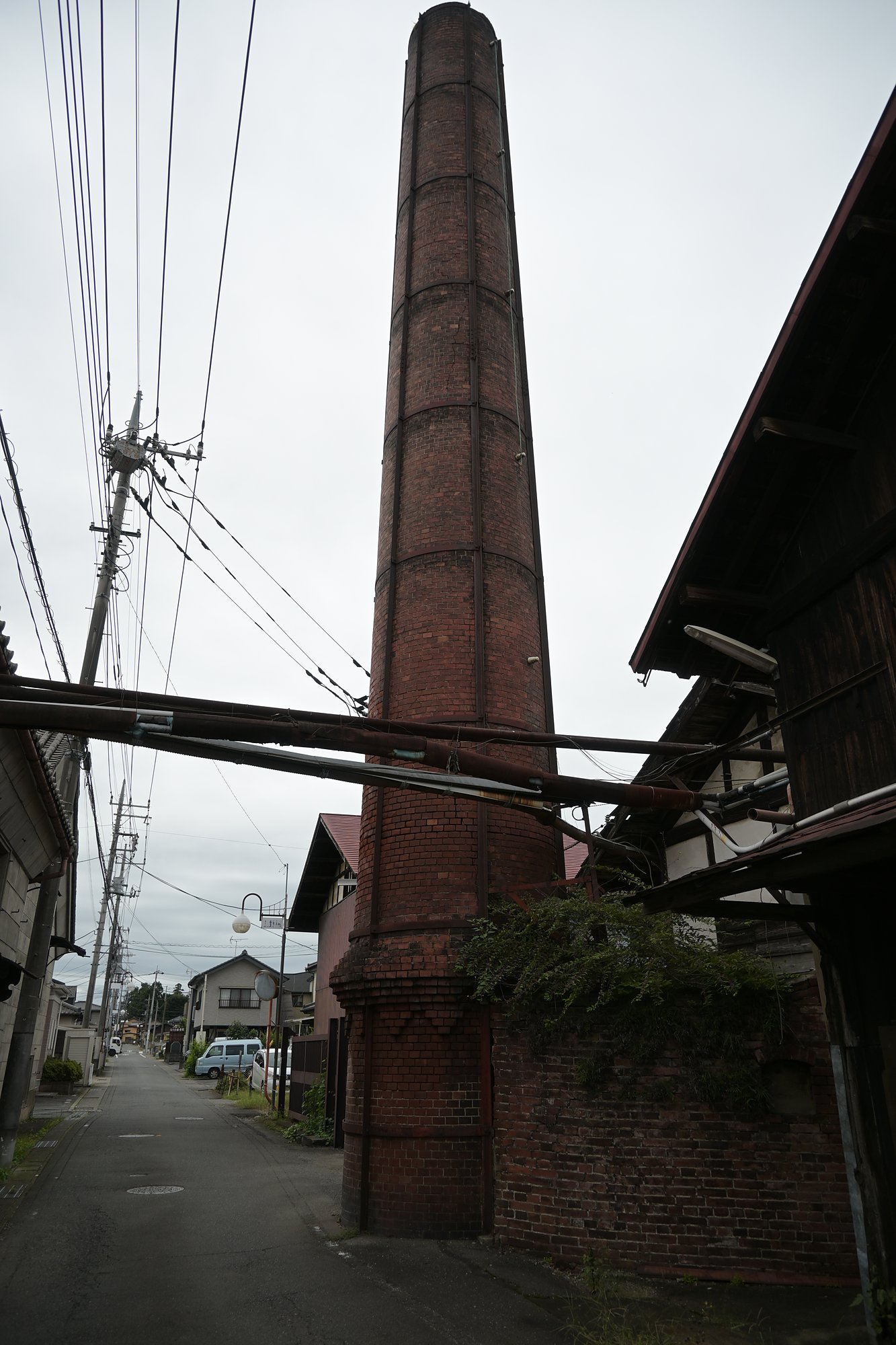
I thought it would collapse. There is a big chimney behind it, and seeing it sway sideways for the first time really scared me. But luckily, not one bottle of soy sauce broke.
— Did that experience change how you think?
You can't avoid such things. What if all of this collapsed, or there were a fire? That was the trigger, and one of the things I'm moving ahead with now is thinking about succession.
Mr. Yuasa's son worked at another company before returning to the brewery, and now works alongside him. He has loved the brewery since he was a child, and when elementary school students came to visit he would help guide them. The two travel together to trade shows overseas.
From the fields of the ingredients to the Usui Tunnel: soy sauce making in the Annaka Terroir
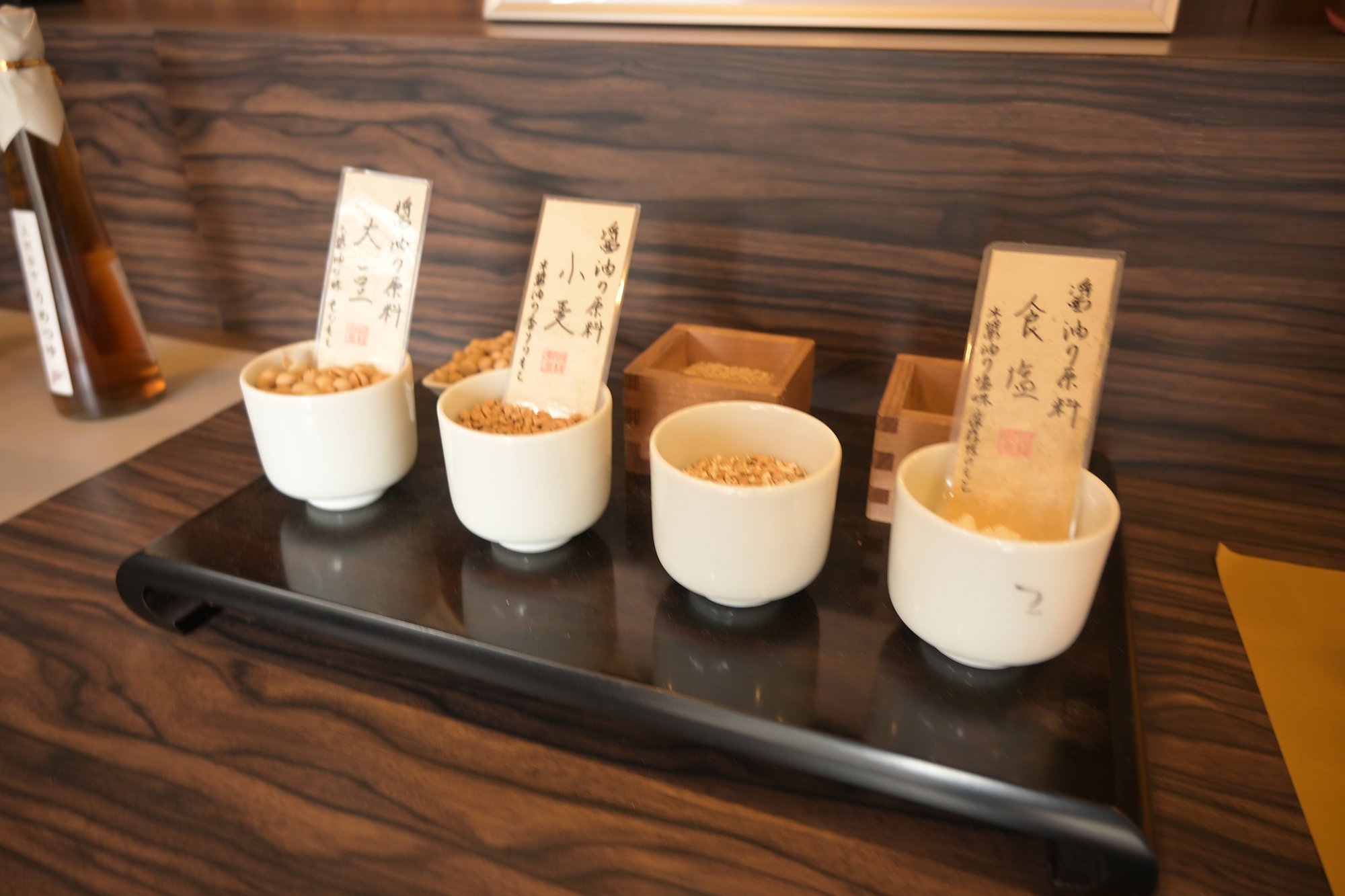
Soybeans and wheat grown in Gunma's fields
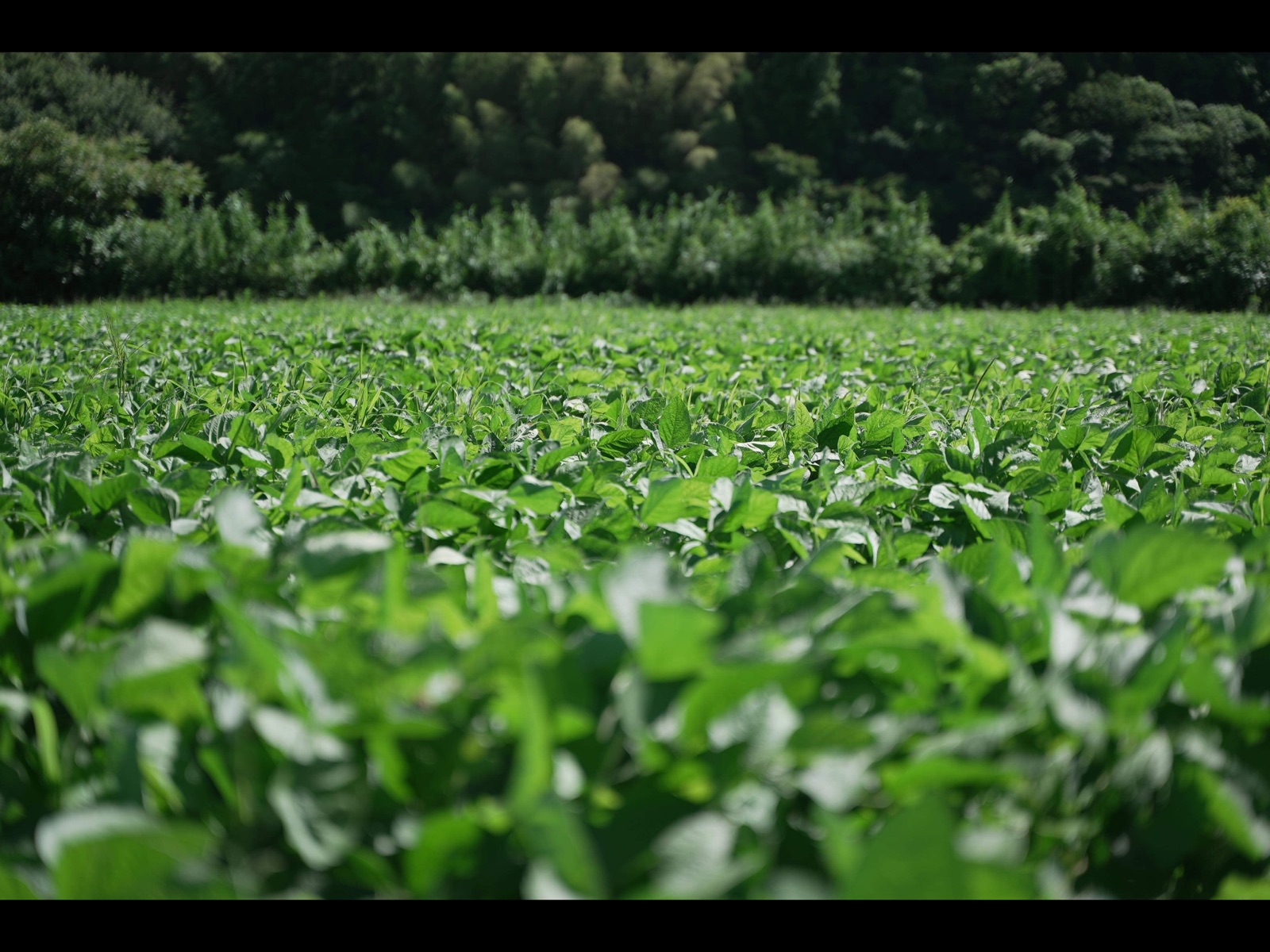
"Annaka Terroir" began on the occasion of the company's 190th anniversary. Terroir is a word from the world of wine that refers to the climate and soil of the land where grapes are grown. It is an effort to make use of idle farmland and to engage with the land starting from the fields where the soy sauce ingredients are grown. Soy sauce made from ingredients grown in Annaka is an idea he hopes to realize from here on.
— What was the thinking behind starting this?
At the 190th anniversary, I asked myself what we need in order to be worthy of 200 years. A family business is a family business, after all, so I wanted to make it a family business worthy of its 200th anniversary.
We make things by borrowing 100% of the power of microbes, which means that without the climate of this place our products could not exist. Local communities face all kinds of problems now, and I wanted to give something back to this land. That is why I started.
— Have you always used local soybeans?
Not limited to the region. We used soybeans from Tohoku, in order to secure good ingredients in a stable supply. When the Great East Japan Earthquake hit, those beans disappeared completely and only small beans were left. We were really in trouble, but when we tried the small beans we had never used before, they turned out to be wonderful.
When the soybeans are large, some parts steam through and some do not. When that goes into the moromi, it becomes a source of spoilage. With small beans, they steam through plump all over. When you make things, you come across opportunities like that.
With Aritaya's equipment and method, small soybeans steam more evenly and the result was better. An unexpected event led them to the possibilities of a new ingredient.
— Is there already a soy sauce made from Gunma ingredients?
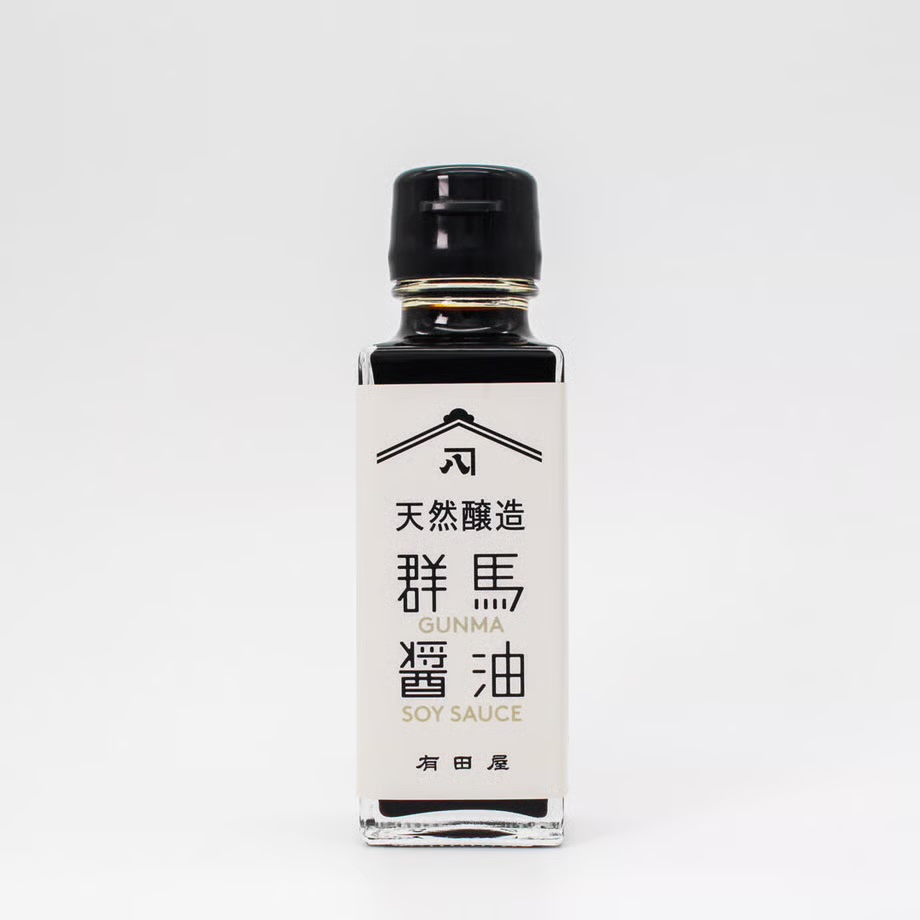
For "Gunma Shoyu," we have achieved 100% soybeans and wheat from Gunma Prefecture. And it is naturally grown, with fields fairly close by. There is Tomioka, and next to it a place called Kanra, and we make it with ingredients from the farmers there.
The Gunma Shoyu currently sold as a product is made from soybeans and wheat grown in Gunma Prefecture. The work with farmers in Tomioka and Kanra is one example. Soy sauce made from ingredients grown in Annaka is a goal for the future.
Bottled in wine bottles and matured once more in the tunnel
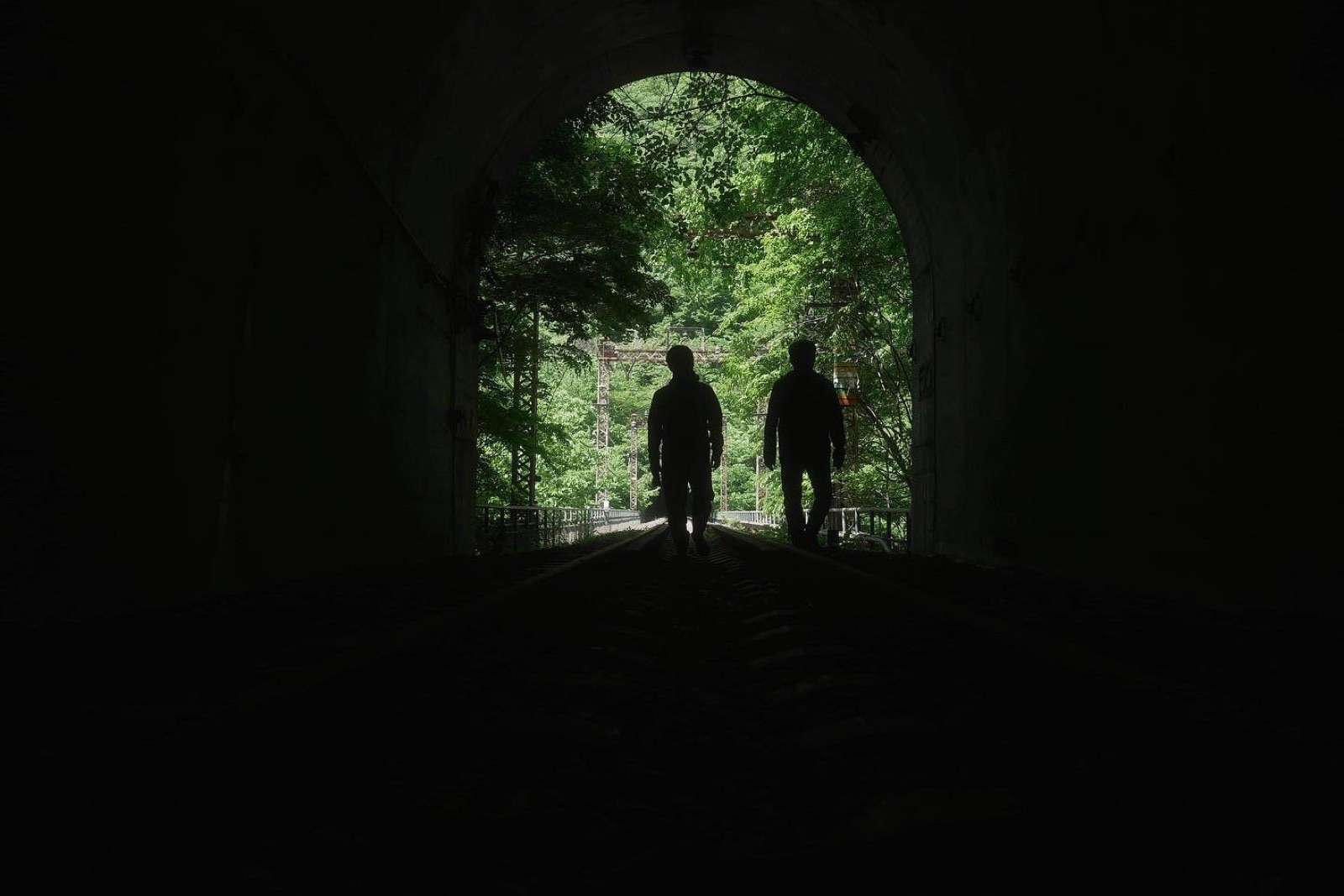
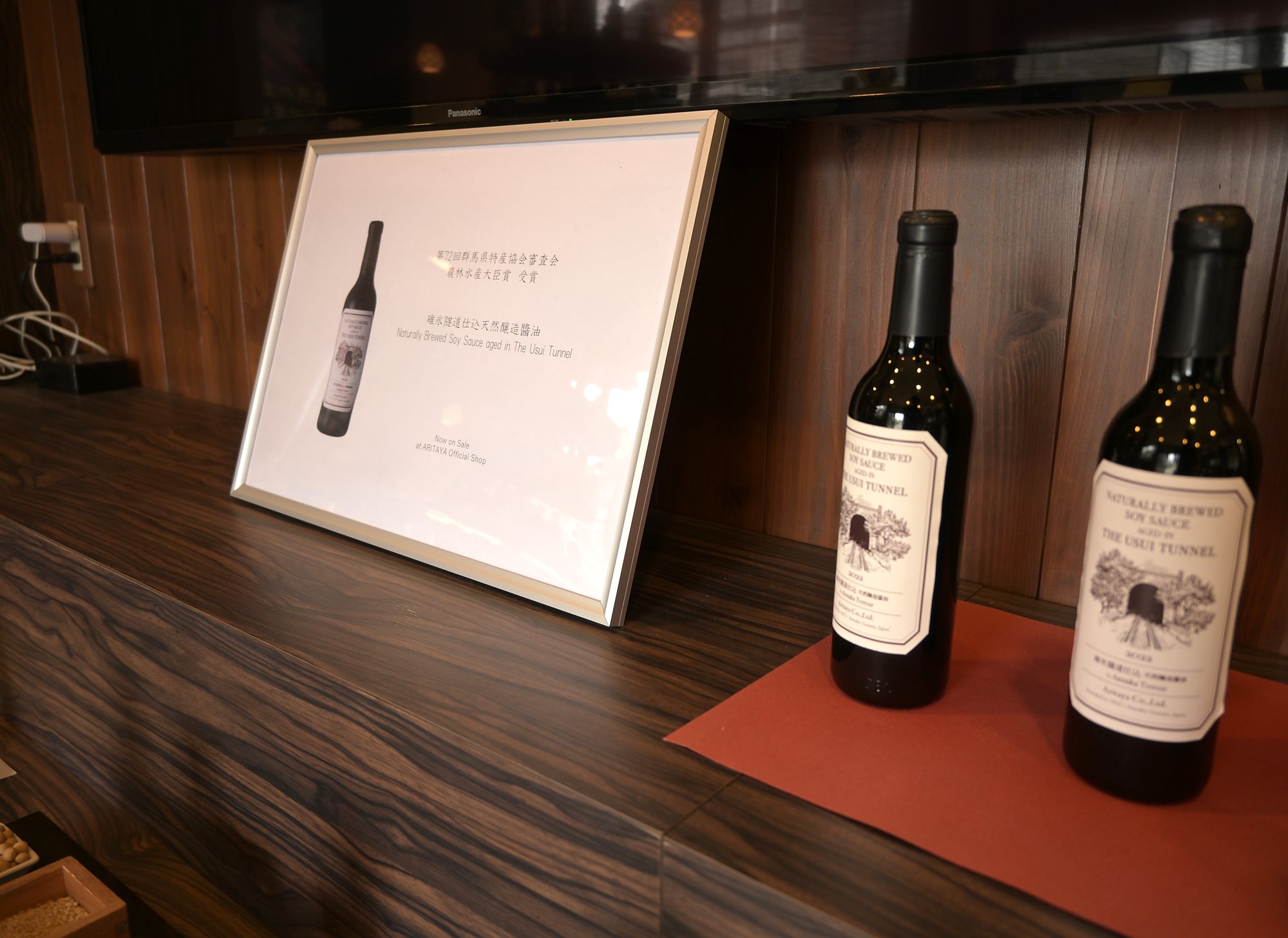
Aritaya's "Usui Tunnel Aged Naturally Brewed Soy Sauce" rests for at least two years in the brewery and is then matured a second time inside the Usui Tunnel. The tunnel used for aging is a railway tunnel on a line that has been abandoned and is no longer in use.
— Even as you take on new things, what do you keep unchanged?
In making things, I protect what must never be dropped. As long as that is protected, I think the way of expressing it can vary widely. I have enormous trust in this environment, and if we don't stray from the path, it will always answer us. It may look new, but the core hasn't changed.
— What made you want to rest soy sauce in a tunnel?
I had wanted to do it for a long time. I have driven and ridden my motorcycle over the Usui Pass, and for me it was an everyday place.
Overseas, there are things like cheese and wine that are matured in caves. I have always loved eating, and my father had a whole row of illustrated world cookbooks on the shelf, which I loved to look through.
— How do you rest the soy sauce you brew in the brewery?
The first fermentation and aging happen in this brewery, and then we bottle it and take it over. It is a method called secondary aging in the bottle.
Let's make a soy sauce that can only be made in that place. For me, that is the ultimate.
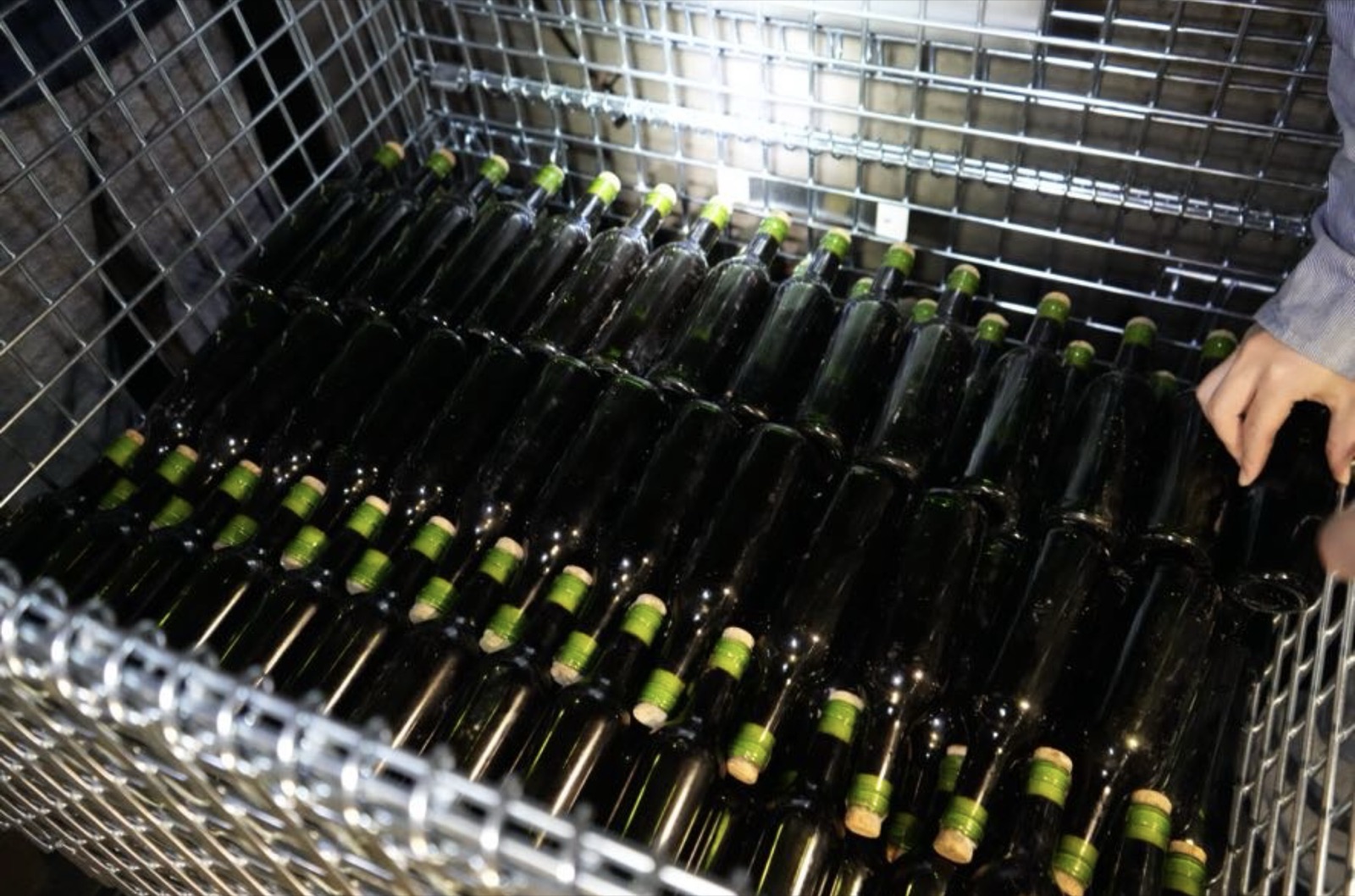
The soy sauce bottled in wine bottles is aged further in the environment inside the Usui Tunnel. Aritaya has also put thought into the method of aging in the bottle, including the use of cork stoppers.
— Which soy sauce is aging in the tunnel now?
The soy sauce in wine bottles aging in the tunnel is currently Gunma Shoyu. So I want to turn that into an Annaka soy sauce, and finish our most spirited soy sauce in that way.
From the Gunma-grown ingredients used now, to ingredients grown in Annaka in the future. What Mr. Yuasa is aiming for is to finish that soy sauce in the Usui Tunnel.
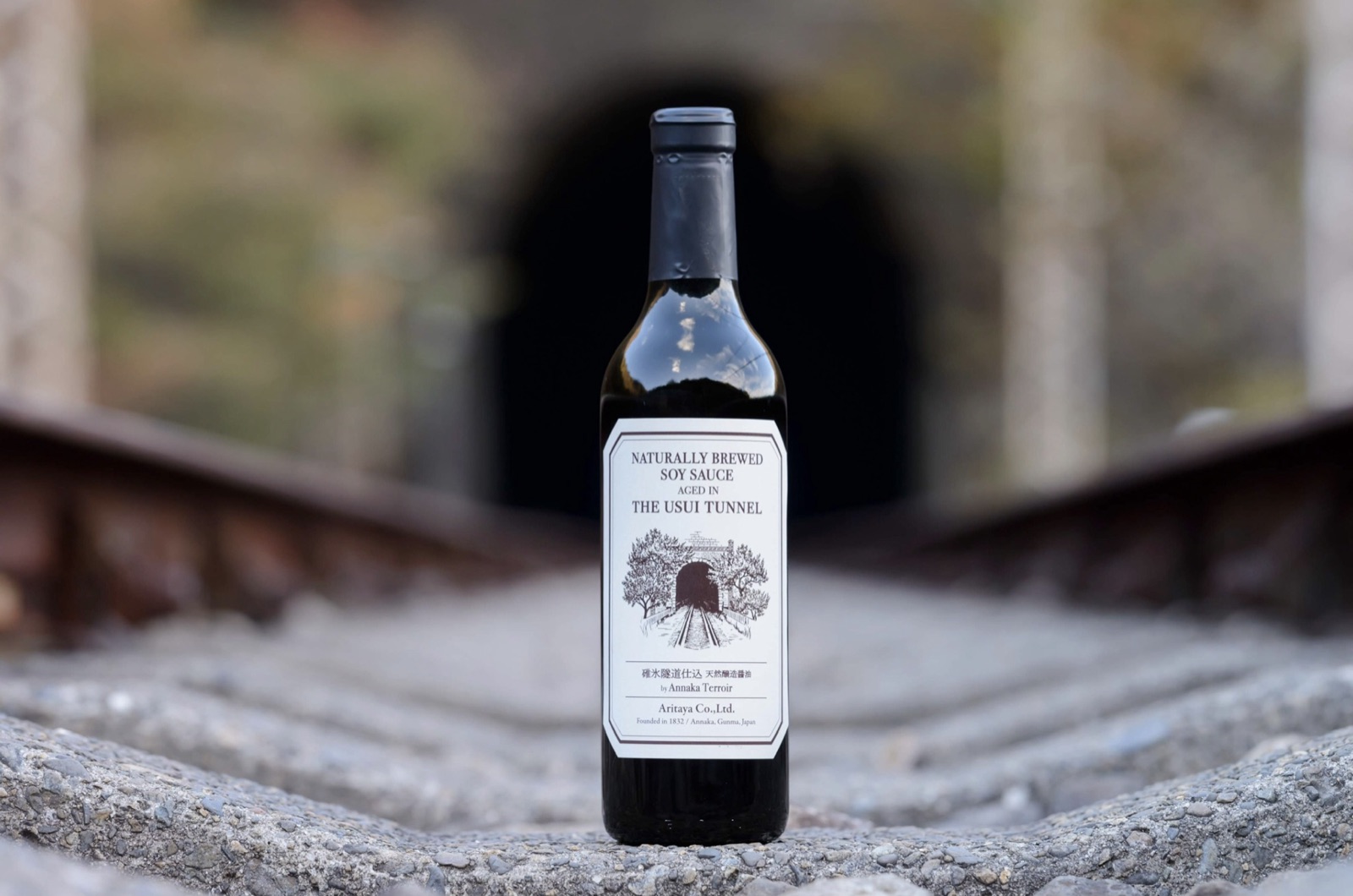
Part of the proceeds from this product is donated to the preservation of the Usui Tunnel.
Telling chefs overseas about the maker and how to use the soy sauce
— Who do you hope will use it overseas?
It started with an approach that came out of the blue from Singapore, and originally I had no interest in exporting at all. As I learned many things from JETRO Gunma, I came to feel that it is meaningless unless it is used in cooking. Even if the market is small, I wanted professionals to use it.
— Is there anything you do differently in how you communicate with chefs?
The YouTube videos we made for trade shows overseas are all aimed at chefs. For general consumers you would write how many cc of soy sauce, or a spoonful, but we only list ingredients. Professionals can tell just by looking.
— Are they also interested in the people who make the soy sauce?
They want to touch people. What thoughts go into making it, where it is made, what troubles the makers face there, what gives them a reason to live. They use it after learning that kind of story.
Some people don't feel that at all, but our target is the people who look for that kind of story.
How much to buy, and how a tofu maker taught him to eat it
— Is there anything you tell people who are using it for the first time?
I tell them to buy an appropriate amount. A large bottle feels like a bargain, but before you get used to it, it deteriorates. The more surface that is exposed to air, the more it deteriorates.
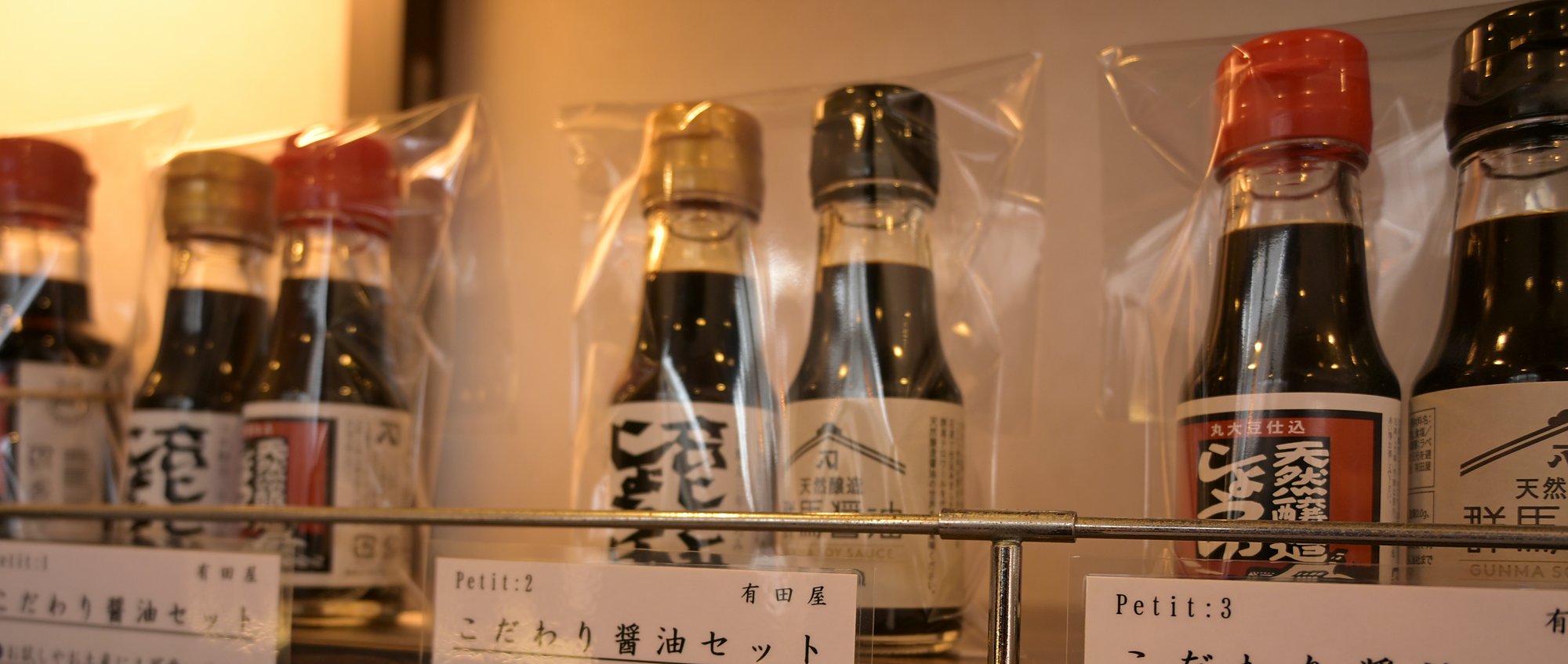
— Has anyone taught you something about how to use it?
A tofu maker with strong convictions taught me that soy sauce is not something you pour over food but something you dip into. You pick up the tofu with chopsticks, dip it lightly in soy sauce, and eat it.
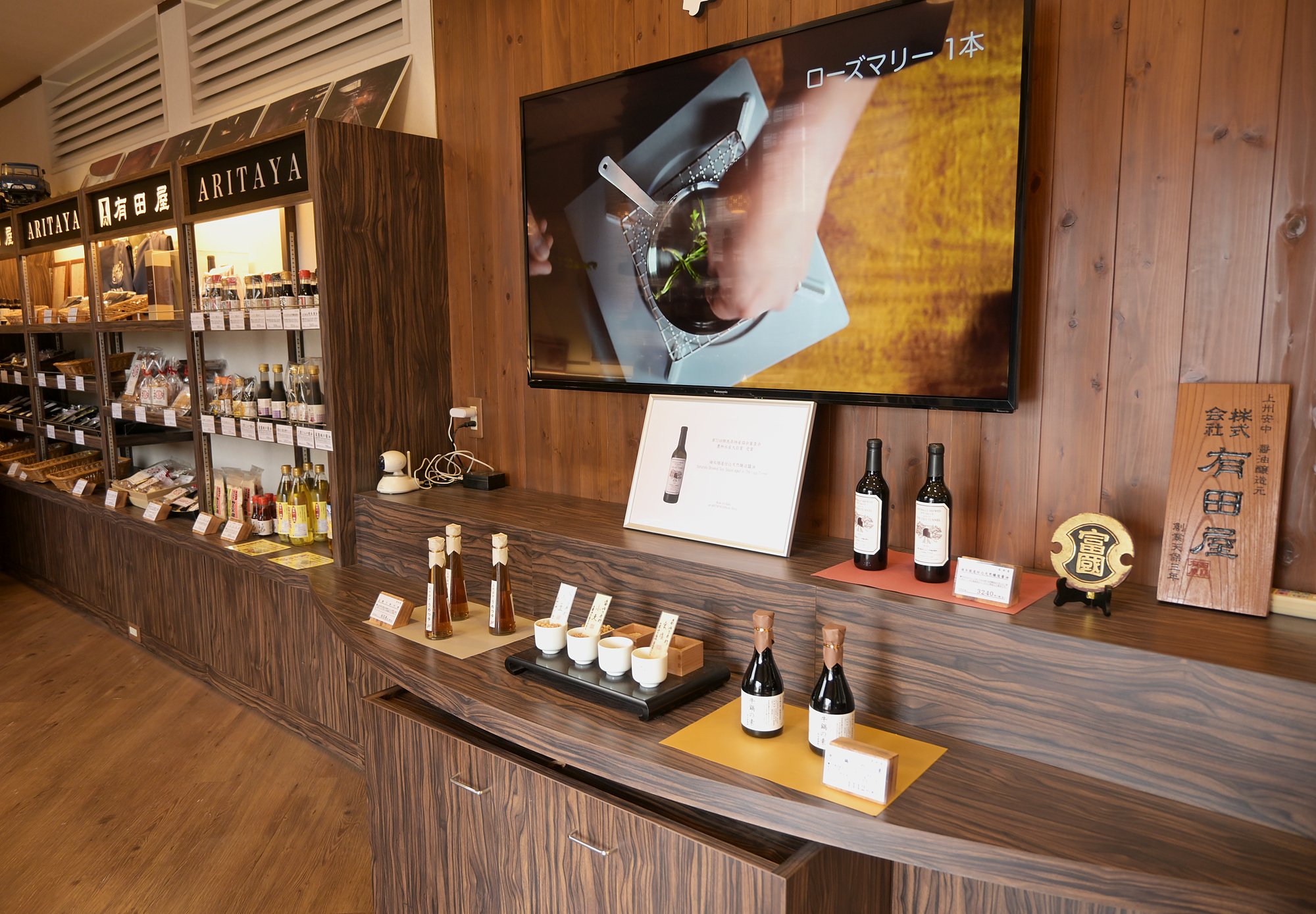
"Without the climate of this place, our products could not exist." Throughout the interview, Mr. Yuasa's talk kept turning to what lies beyond the brewery. The local stone that became the foundation of the brewery, the chimney shaken by the earthquake, the Usui Pass he used to ride over on his motorcycle.
It is not people who make the soy sauce but this place, Mr. Yuasa says. His wish to one day use ingredients from Annaka's own fields, and his choice to rest soy sauce in a tunnel on the pass, seemed to us to come from the same thinking.
What rests in the tunnel now is Gunma Shoyu, made from ingredients grown in Gunma Prefecture. It will be some time before the soy sauce inside turns into an Annaka soy sauce. Heading toward its 200th year, the brewery is on its way.
The soy sauce offered at a funeral with the words "Dad liked this, didn't he?" is soy sauce that has kept being used on the table every day. Start with a small bottle you can finish. Once, try tofu without pouring soy sauce over it, and dip it instead.
[Aritaya Co., Ltd.] 2-4-24 Annaka, Annaka, Gunma Prefecture (群馬県安中市安中2-4-24) Official site: https://aritaya.com/ Online shop: https://aritaya-onlinestore.stores.jp/ "Usui Tunnel Aged Naturally Brewed Soy Sauce" product page: https://aritaya.com/lp/zuido/ Interview: September 19, 2026
Frequently asked questions
How is "Usui Tunnel Aged Naturally Brewed Soy Sauce" made?
Soy sauce that has rested for at least two years in the brewery is bottled in wine bottles and matured once more inside the Usui Tunnel. At the time of our visit, the soy sauce in the bottles was "Gunma Shoyu," made from soybeans and wheat grown in Gunma Prefecture.
Are all the ingredients grown in Annaka?
At the time of our visit, the soy sauce matured in the tunnel was made from soybeans and wheat grown in Gunma Prefecture. Switching to ingredients grown in Annaka itself was described to us as a goal for the future.
How much should I buy the first time?
Mr. Yuasa recommends buying an amount that matches how much you use. Rather than choosing a large bottle for the sake of value, use how much you go through in daily life as your guide.