If you are buying miso for the first time, you may want to taste it a little before you choose. On the second basement floor of Matsuya Ginza, there is a shop where you can buy it that way.
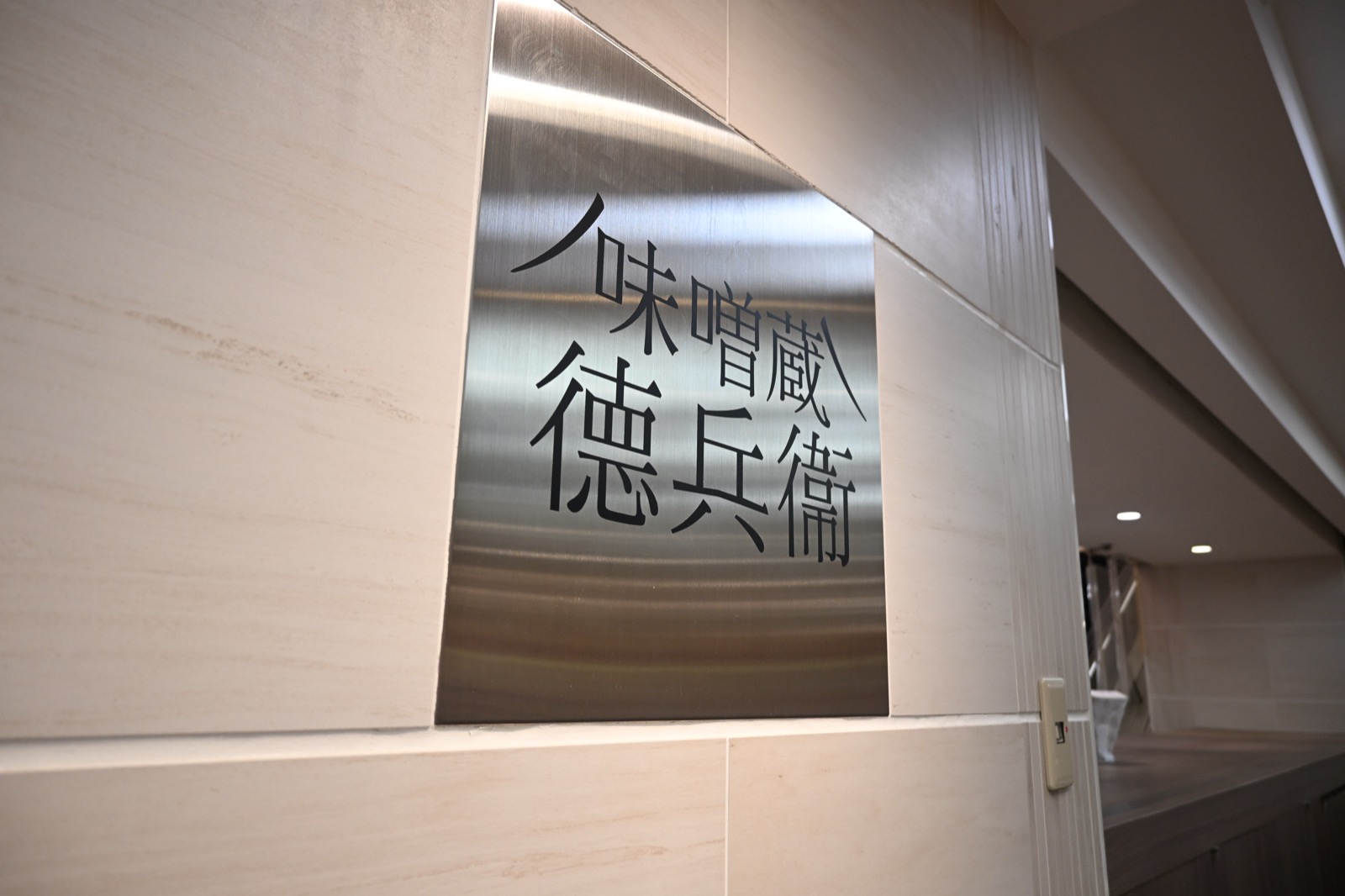
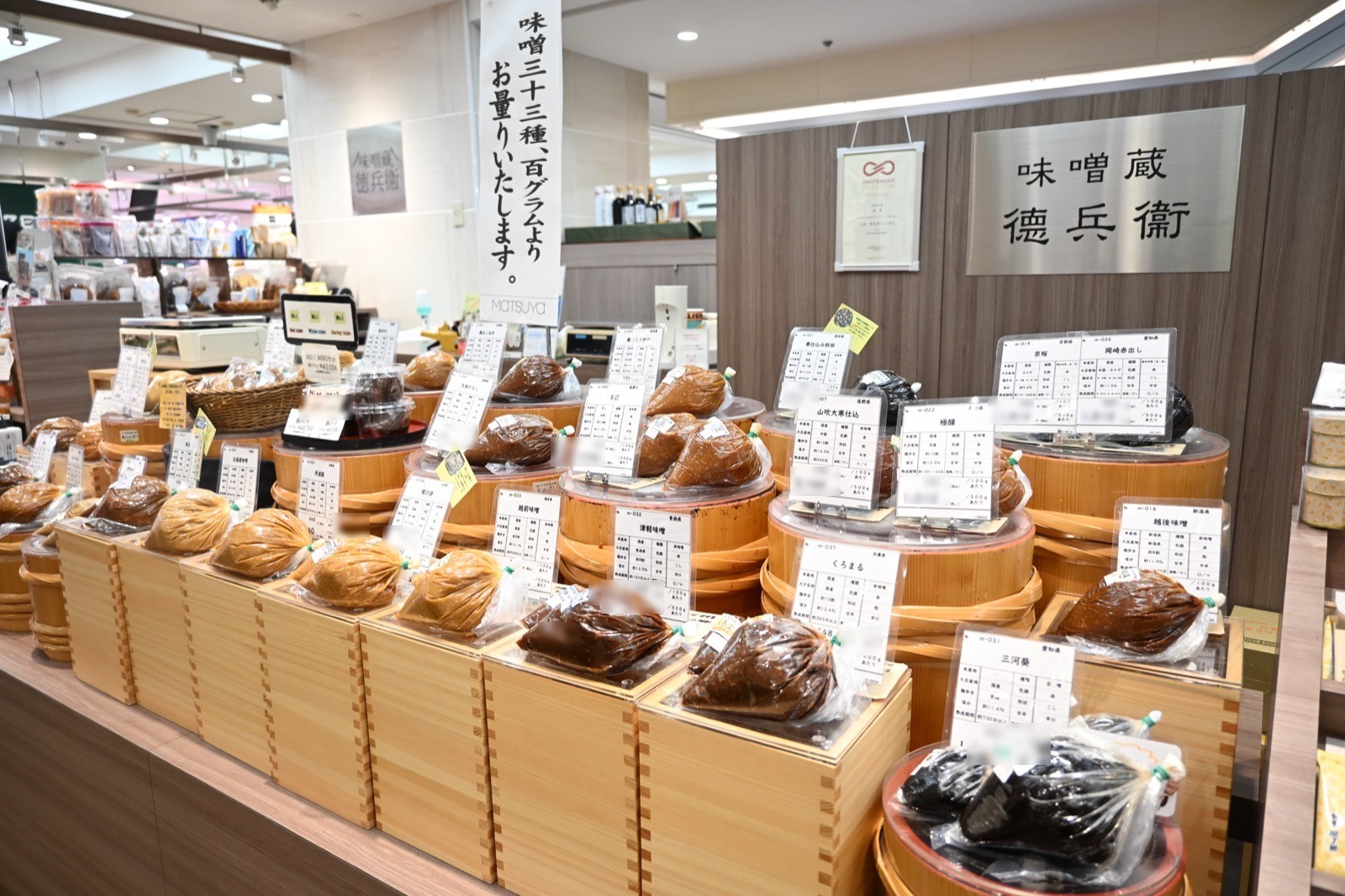
It is called "Misogura Tokubei" (味噌蔵德兵衞). Miso from all over Japan is lined up at the counter, from pale ones to those almost black. The banner at the front reads "33 kinds of miso, weighed out from 100 grams" (味噌三十三種、百グラムよりお量りいたします). It is a specialty shop where you can taste the miso that catches your eye and buy it from 100 g.
Misogura Tokubei is run by Tanaka Tokubei Shoten Co., Ltd. (株式会社田中德兵衞商店) of Kawaguchi, Saitama Prefecture. We talked with its seventh-generation president, Tokubei Tanaka (田中徳兵衛), and with Mr. Hamai (濱井), manager of the Matsuya Ginza shop, about the work of choosing miso and delivering it to customers.
Starting with one taste at Matsuya Ginza
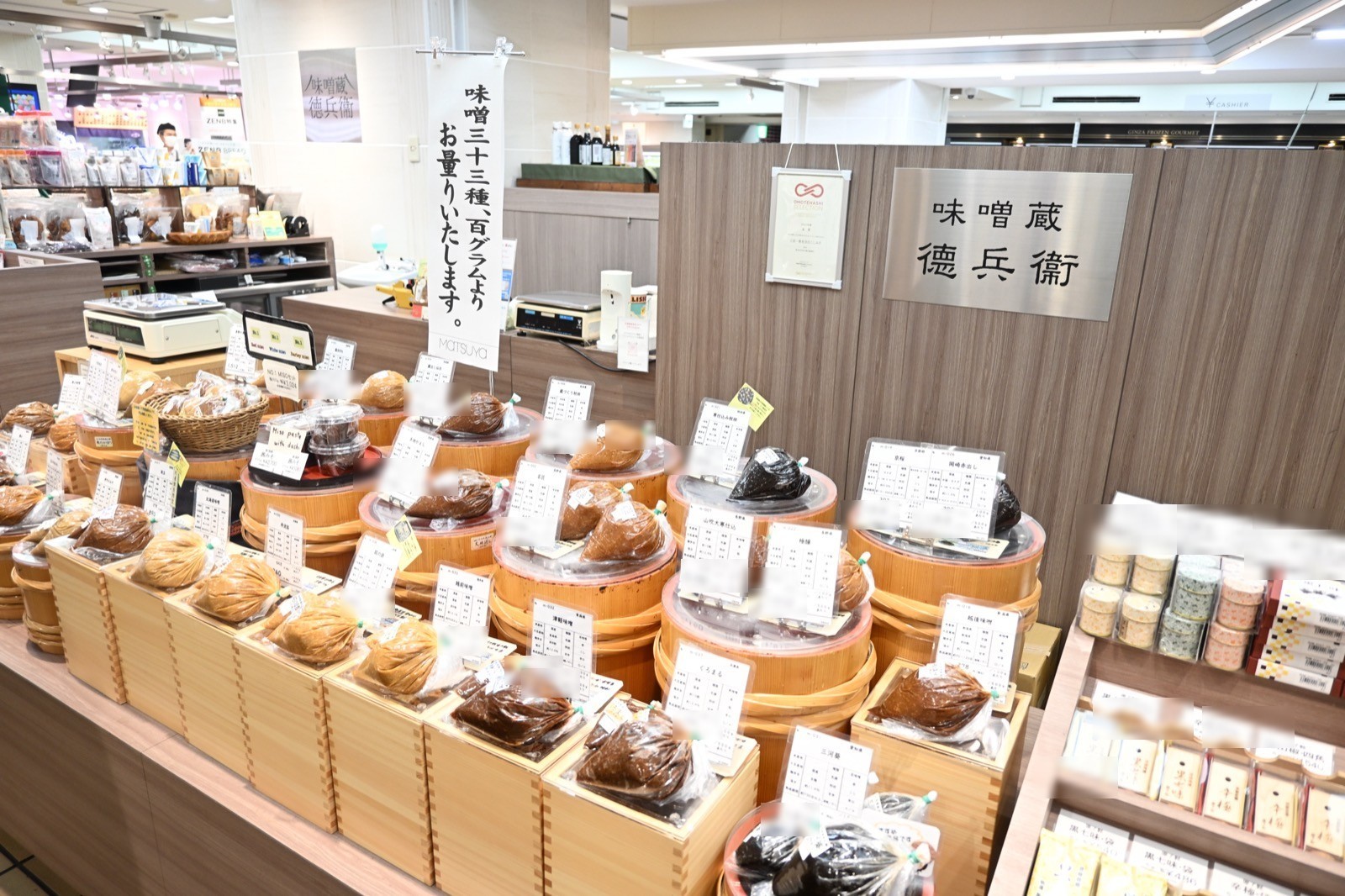
In front of the barrels, a card introduces each miso. It lists the place of origin, the ingredients, the kojibuai (糀歩合, the ratio of koji to soybeans), the salt content, and the aging period. Just looking at the colors, you can see how wide the range is within miso alone.
Still, it is not easy to imagine a taste from numbers. A card may say "sweet," but you will not know whether it is the kind of sweetness you like until you taste it. You do not need to memorize koji ratios or aging periods before you visit.
On its official site, too, the shop introduces itself as a place with a miso sommelier, offering tastings and sales by weight from 100 g. You can start from what you want to eat: what kind of miso soup you like, or whether you want to put the miso straight onto vegetables. Official shop information
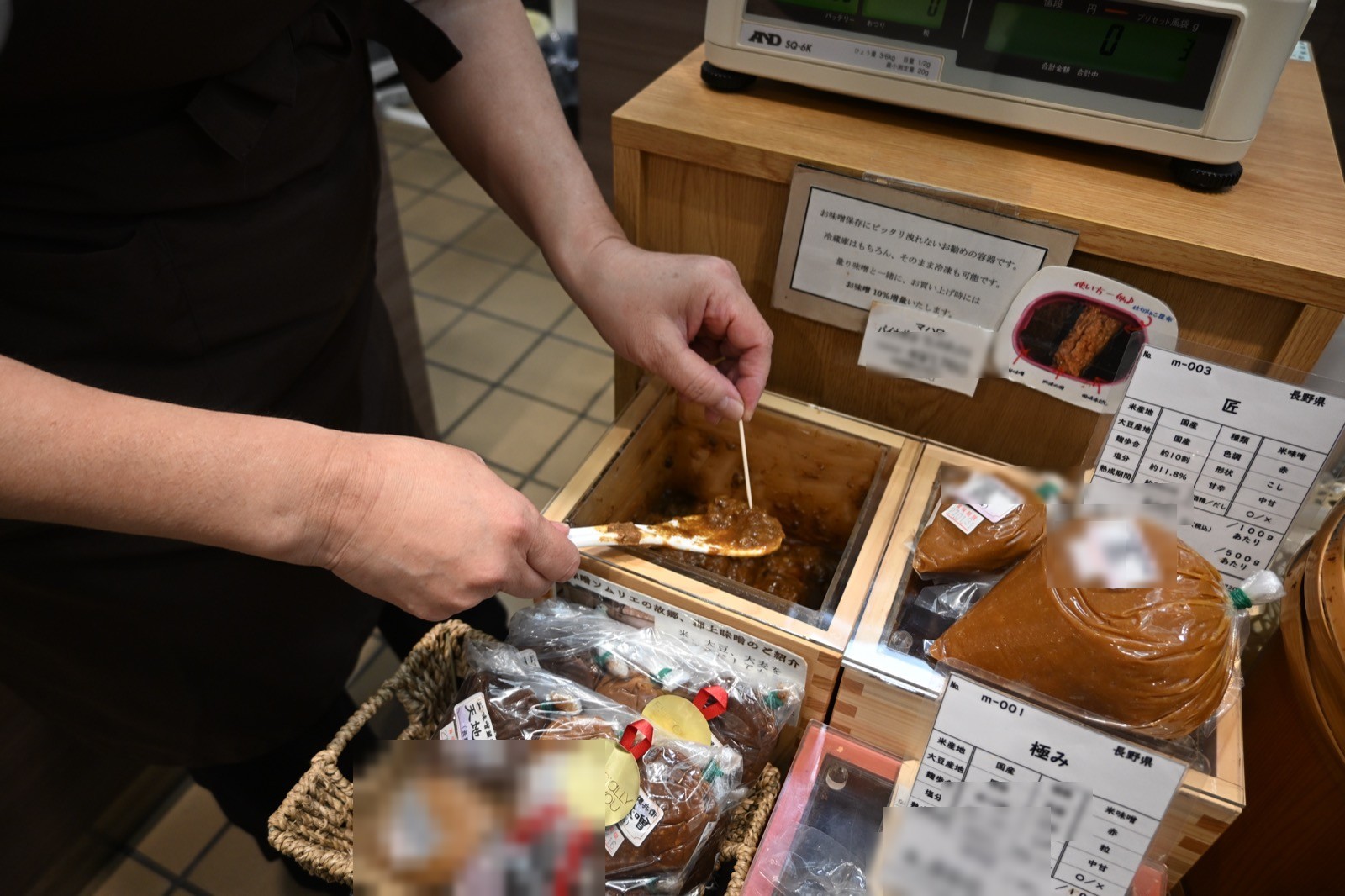
You do not have to settle on one right away. You can choose a little at a time: one close to the miso you usually use, and one a little different. For trying them side by side at home, 100 g is an easy amount to start with.
Say you want to change your everyday miso soup a little. At the counter, you can begin by telling them the name of the miso you normally use, or whether you prefer sweeter or saltier. If it is hard to put into words, take what you tasted as your reference and ask for something a little sweeter, or something with a different aroma. Once you have had that first taste, what you want to ask next becomes more specific.
To compare at home, you could use each one in the same miso soup with the same ingredients. How does the flavor you checked at the counter feel at your own table? If you remember the names of the miso you liked, they become a clue for your next visit.
The shop has miso from across the country, and there is someone to talk to while you choose. That is a good reason to visit.
From a brewer in Kawaguchi to a shop that delivers miso from all over Japan
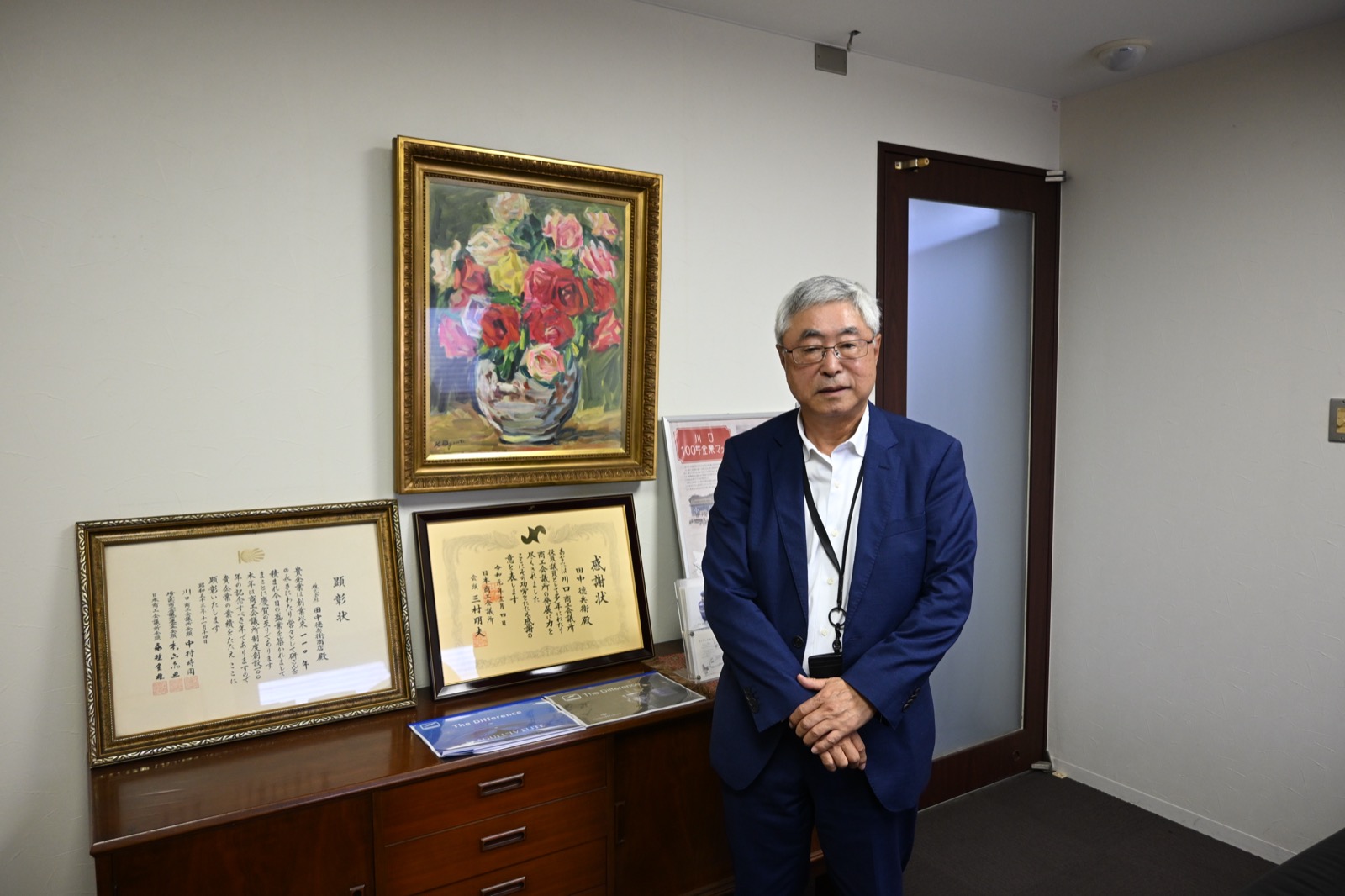
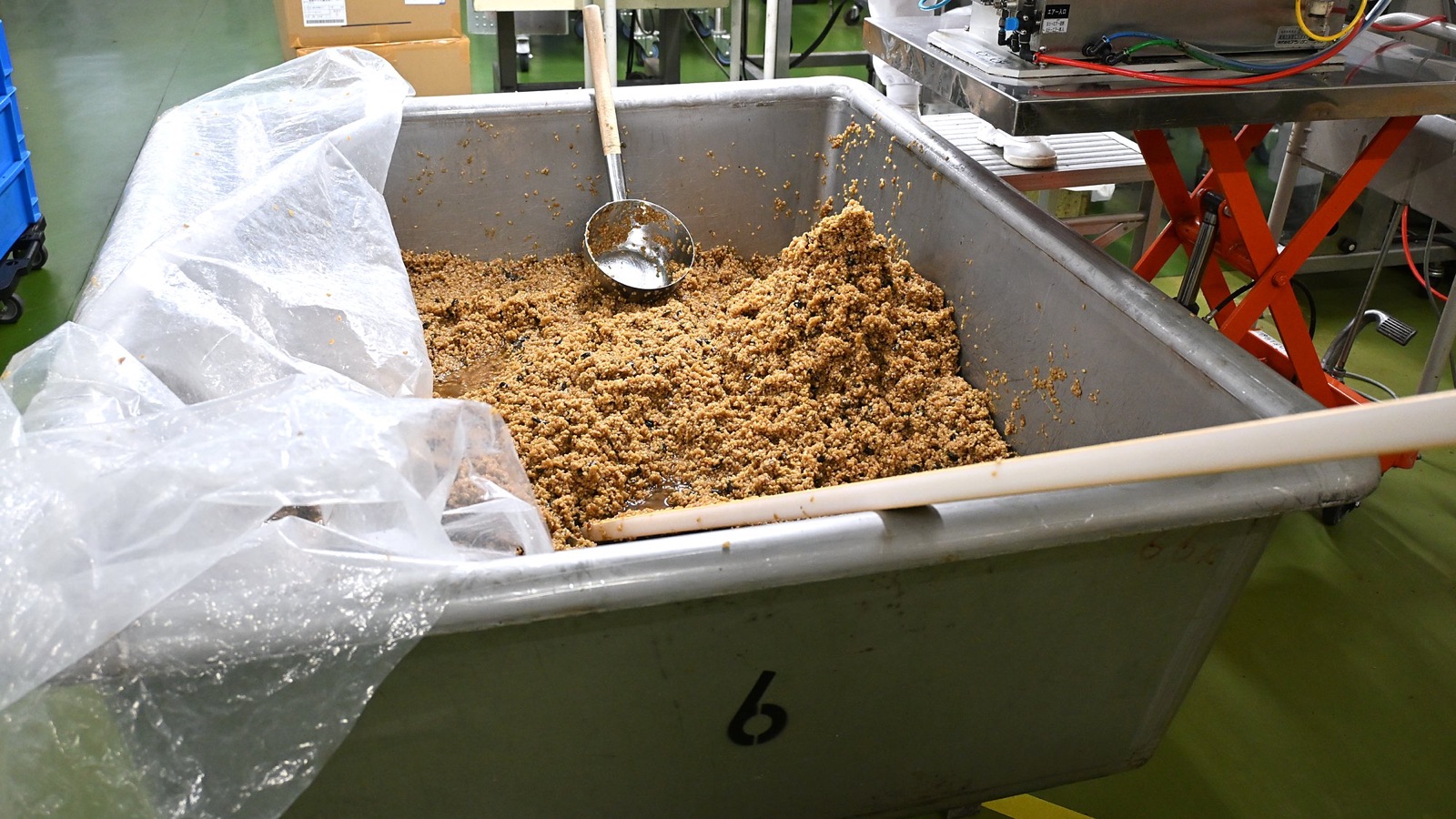
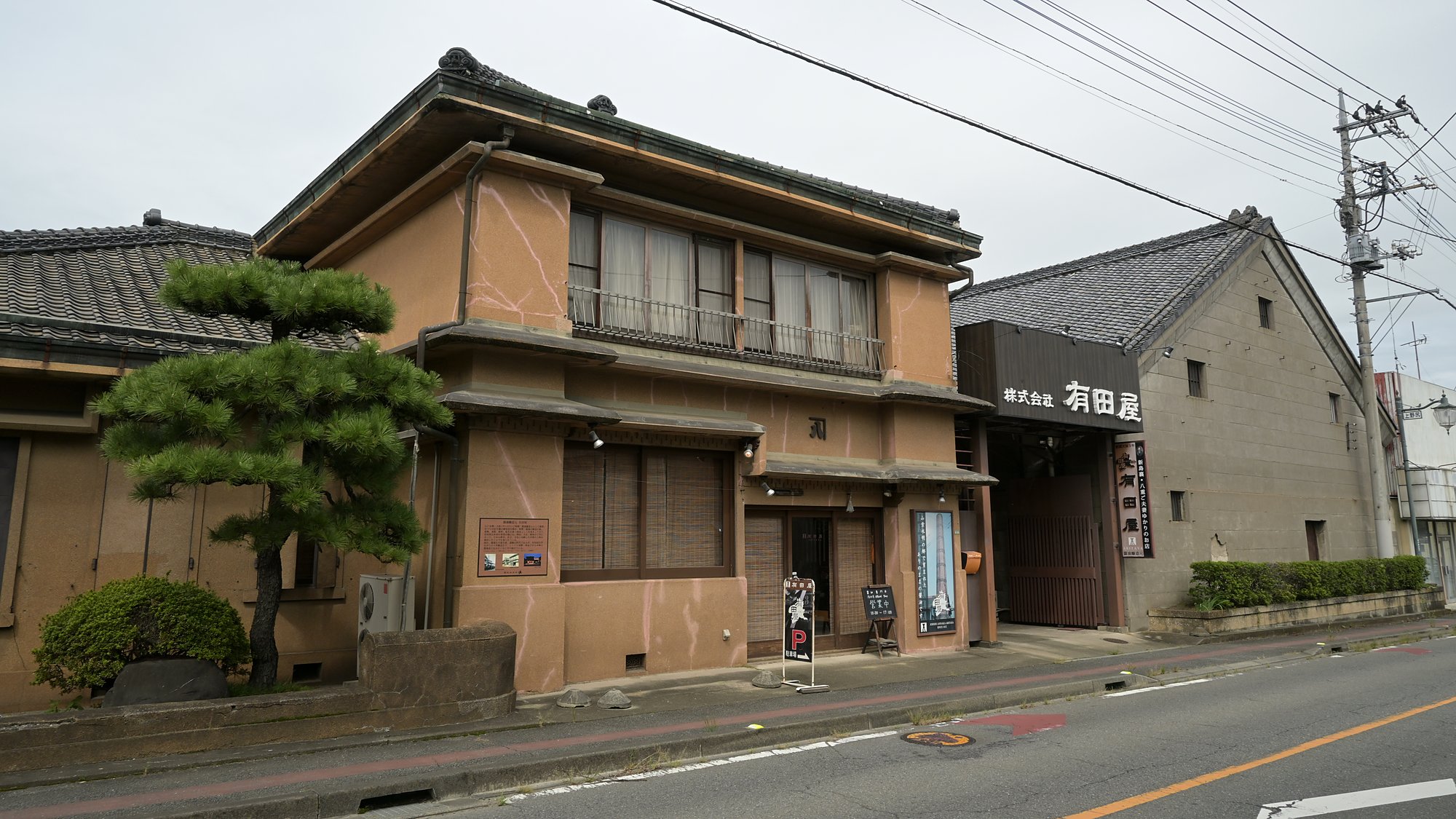
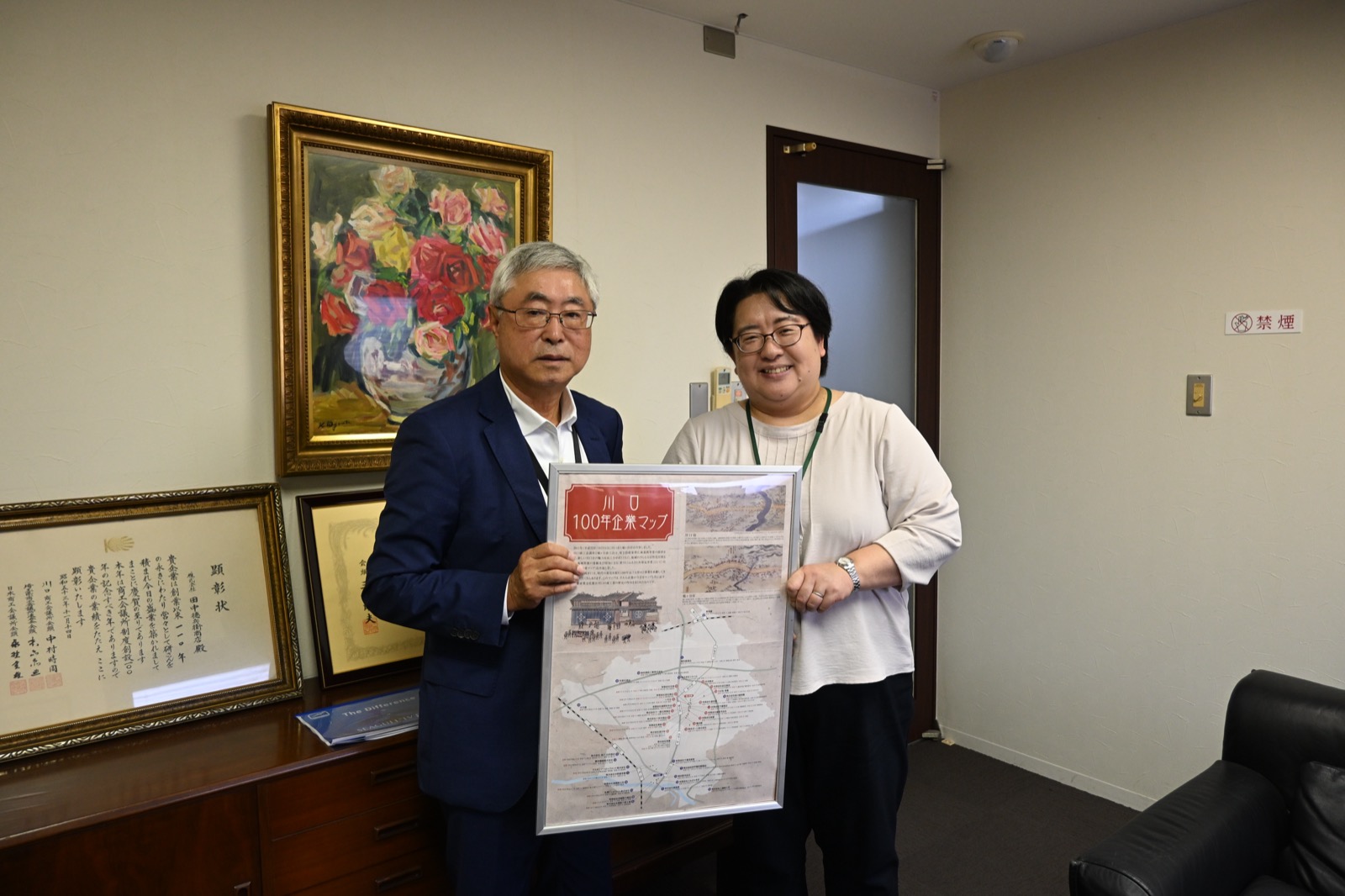
Tanaka Tokubei Shoten began brewing miso in Kawaguchi in 1871, the fourth year of Meiji. Today it runs a wholesale and retail business that handles miso and other products from all over Japan.
From President Tokubei Tanaka we learned how miso making in Kawaguchi was tied to the river. Raw materials came in along the waterway running from the Shibakawa River to the Arakawa River, and the finished product was sent on toward Tokyo. Kawaguchi had what miso making needed: ingredients close at hand, and a large market nearby.
It is hard to picture from the streets today, but according to President Tanaka, rice paddies once stretched across Kawaguchi as well. The place where the raw materials were gathered and the people who ate the finished miso were connected by boat, and that supported the trade in Kawaguchi. When we asked why the breweries stood along the river, we saw how deeply the conditions of the land are tied to the history of miso.
President Tanaka himself remembers running around the brewery as a child. A dark brewery, giant wooden barrels, and a rich aroma made it the best secret hideout.
The brewery is now gone. Fewer and fewer people can talk from their own memory about the size of the barrels or the people who worked there. As we listened to his childhood memories, we felt that the story of making miso in Kawaguchi should be recorded from someone who knew it firsthand.
The interview also touched on how the way miso is sold has changed. In the past, miso was shipped in wooden barrels and sold by weight at the front of sake shops and similar stores. Later, as packaged miso in 500 g and 1 kg sizes spread, supermarkets could carry it too. As urbanization changed the environment for securing raw materials and water, both the people who make and the people who sell changed the shape of their work.
According to the company's official history, it opened as a wholesaler in 1953. In 1960 it stopped brewing and concentrated on the miso wholesale business. It widened its dealings with makers across the country, passed through a period of doing both brewing and wholesale, and gradually shifted its work. History of Tokubei
The spread of packaged miso connects to everyday shopping. With miso packed in set amounts, buyers can pick it from the shelf themselves. When the shape of the sales floor changes, so does the work asked of a company that delivers miso. Through those changes Tanaka Tokubei Shoten moved into wholesale, and today it also runs a shop in Ginza that sells by weight.
The sales floor today has a difficulty different from making one flavor of your own. You have to understand the different taste of each brewery and hand it to someone eating it for the first time. How you handle the miso after you buy it in is also part of the work on the floor.
Tending the barrels, day after day, on the sales floor
The sales staff look at the condition of the miso surface when the shop opens, and smooth it every day. Even after the barrels are set out, the hands-on work continues.
Even the same miso changes in color and flavor over time. The staff check the condition of the day, think about how to tend it, and choose which miso to recommend to customers.
— What do you value in selling miso by weight?
Mr. Hamai: What we do now is the tasting experience, and the aroma. Once miso is packaged, you can't smell it at all.
You cannot smell miso through a bag. The aroma that spreads when you lift the lid of a barrel reaches you only when you stand at the counter.
On the timing of delivering miso, he gave us an example using apples.
— Apples?
Mr. Hamai: If you package it fully ripe, by the time the customer picks it up, the fermentation may have gone too far. So what do we do? Think of an apple: you send it out while it is still green. During distribution it turns red and becomes just right.
Many of the apples in shops are picked early from the tree. They are sent out green, counting on them to ripen while being transported. It is worked out backward so that they are just right when they arrive.
Still, an apple that has ripened to red on the tree tastes better. It tastes different from one that ripened after being picked.
— Does the same thing happen with miso?
Mr. Hamai: We aim to sell the fully ripe apple. We sell it at its very best.
Miso, too, changes little by little between being made and being eaten. The color deepens and the flavor shifts. If it is packed in a container and shipped, that change goes on in the buyer's hands.
When it is sold from the barrel, that change takes place on the sales floor. That is why they open the lid every day, smooth the surface, and check what state it is in now. They judge when it is ready to eat in the shop, and can scoop out and hand over the very best part.
Mr. Hamai: By doing that, the umami settles and blends together as a whole.
We also heard that some customers feel the same product tastes different in a cup than when sold by weight. According to Mr. Hamai, miso that has been packed in a container in advance and miso that is tended every day on the sales floor, with its condition checked, can differ in taste.
The surface of the barrel is smoothed and the condition of the day checked. We learned that the taste of miso sold by weight comes not only from the making at the brewery but also from the care it gets on the sales floor.
What Mr. Hamai finds good in a miso
The entrance to stocking is looking into the ingredients and where they come from. If a product catches his interest, he contacts the maker and checks the actual taste.
It would be ideal to visit the brewery, but it also puts a burden of preparation on the host. Mr. Hamai said that with small breweries in particular, you need to think about their circumstances. He makes his stocking decisions through inquiries and tastings.
In his inquiries, he tells them where he wants to sell, and asks whether they could let him try the taste. Ordering a product does not mean the decision to stock it is made. He combines what he learned about the ingredients with what he felt when he ate it, and thinks about whether to put it on the floor. Along the way, he sometimes meets a miso he cannot judge by his own taste alone.
— Some may not suit your taste.
Mr. Hamai: They do. Then I have a lot of different people try it. Some of them love it, and then we sell it, saying this is its distinctive character.
— So "not to my taste" is not where it ends.
Mr. Hamai: Basically, what I want most is to sell what I think is delicious, so I value a product's good points. Our standard is something like: let's stop judging the bad points.
I think this way of choosing is reassuring for people looking for miso. Some people like sweetness, and some want strong saltiness or a deep flavor. What the seller likes and what the buyer likes are not always the same.
Mr. Hamai also has a policy of choosing products with as few additives as possible. But when you handle regional seasonings, there are times when that alone cannot decide it. In the interview, he brought up a soy sauce from Kagoshima made with a sweetener.
While checking the ingredients, he also thinks about the flavor that has been loved in that region. Stocking involves a judgment about how to convey the food culture of a place.
What Mr. Hamai wondered about was whether searching for a soy sauce made without sweeteners would actually be introducing the soy sauce of that region. Can the way of choosing that he has valued be applied as it is to regional products? Handling seasonings from across the country means facing such questions. Each bottle on the shelf also carries the thinking of the person who stocked it.
Regional seasonings next to the miso
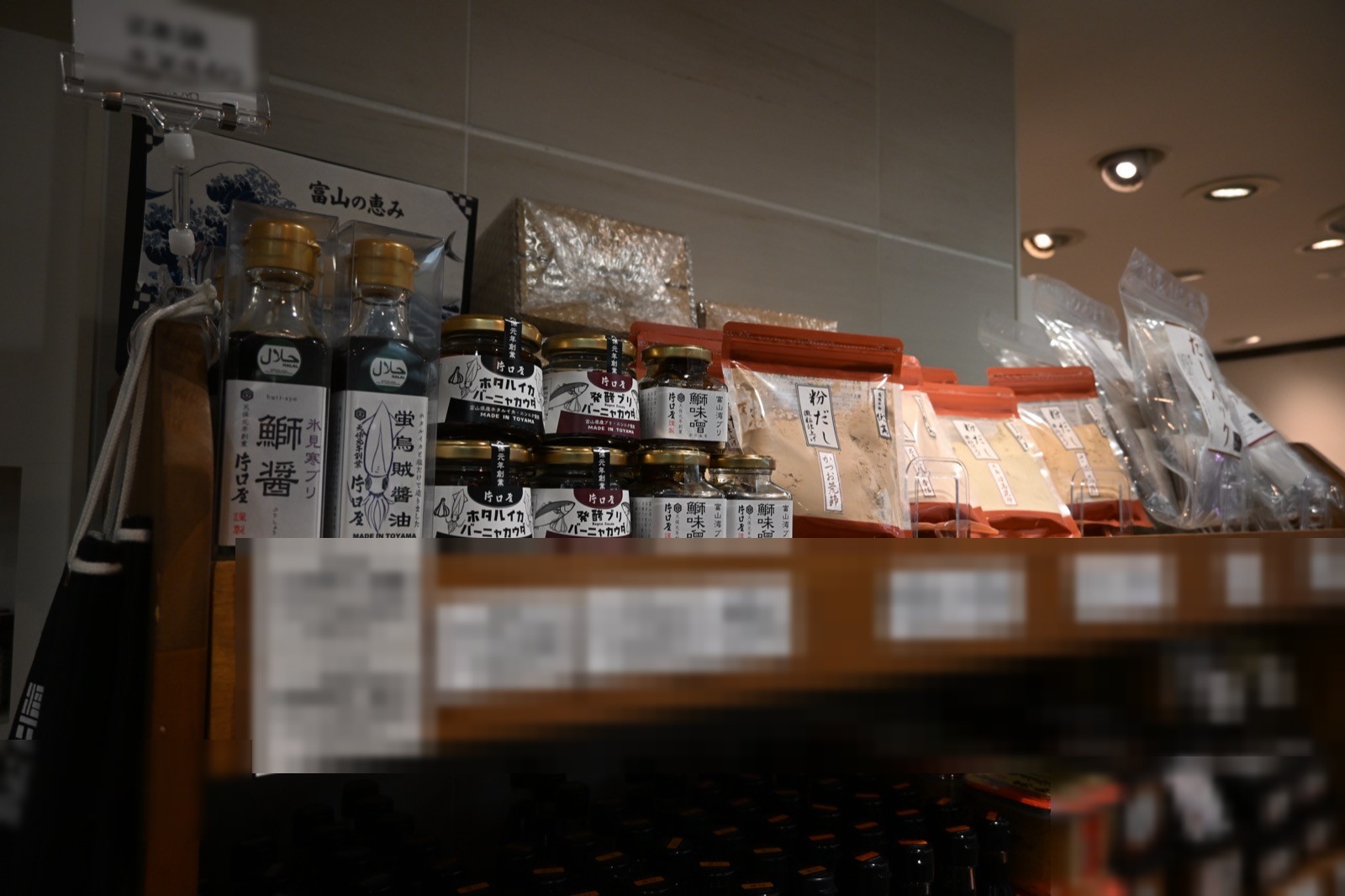
Besides miso, the floor also has soy sauce, dashi, and fish sauce. On the shelf in the photo are Toyama's buri-hishio (鰤醤, yellowtail fish sauce) and hotaruika shoyu (蛍烏賊醤油, firefly squid soy sauce). Even among seasonings made from fish, each place has its own differences.
According to Mr. Hamai, some customers visiting from overseas research a region or a product and ask for it by name. Some look for miso from Kyoto, and some ask the staff which miso they like themselves. A young customer sometimes starts looking for a flavor of their own, beginning with their everyday miso soup.
Some people choose by place of origin, some by the dish they will use it in, and some by asking the staff for a recommendation. You do not need detailed knowledge to have a way to start the conversation.
What Mr. Hamai said was easiest to answer was when customers from overseas asked which miso he likes. They were curious about what miso people in Japan use day to day. You may not know the regions or brands, but you can always ask about the taste of the person in front of you. That way of asking seems a good way in for first-time visitors to the floor, too.
After you hear the recommendation, you can taste for yourself. You can come to like the same one, or be drawn to a different flavor. Mr. Hamai's attitude in stocking, looking for a product's good points, is a useful reference when buying as well. Just learning how it differs from the miso you always choose makes your next purchase a little more fun to look forward to.
Questions about storage, even after you buy
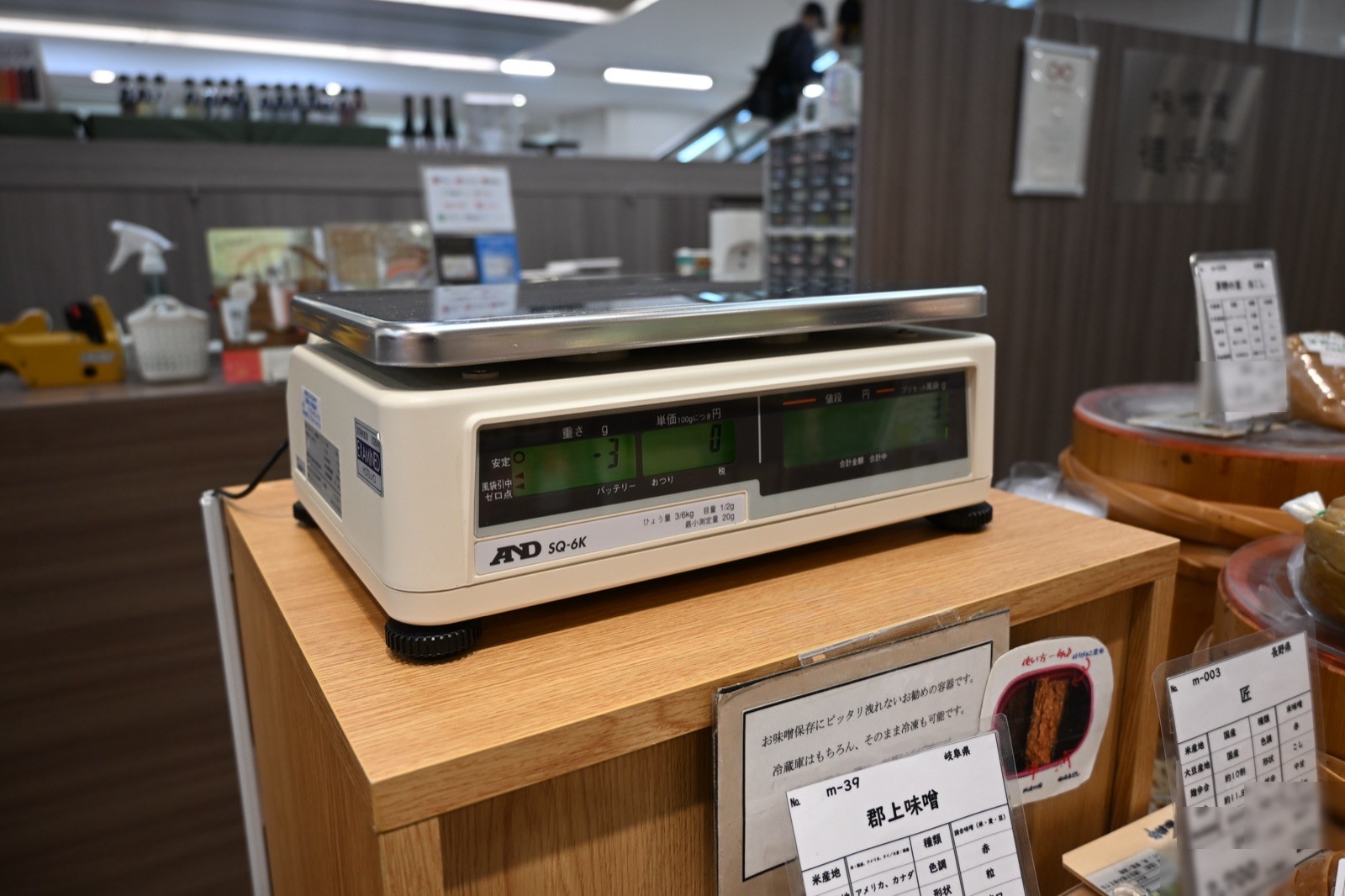
Even if you can buy in small amounts, how to store it at home is a natural concern. Mr. Hamai told us that if you put the bag of miso bought by weight in the freezer, it becomes easier to take out.
On its official site, the shop recommends keeping miso sealed in a clean container in the refrigerator or freezer. It also introduces pressing plastic wrap onto the surface to keep air away. How to keep miso delicious
Follow the labeling on the product you bought and the guidance in the shop, and use it up soon after opening. If you are unsure about storage, you can ask about it while you choose.
The brewery makes, the shop chooses, the sales floor hands it over
Helping people choose a flavor, weighing it out, and answering questions about storage: how does the company see this work that goes on at the counter? Finally, we asked President Tokubei Tanaka.
— What would you like to do from here?
President Tokubei Tanaka: We do sell miso, but I think we also value regional products and the differences in flavor. But what matters most to us is making knowledge about miso and seasonings something everyone takes for granted.
Some customers come to the floor to ask for advice, for example on how to use miso they received as a gift.
Sometimes there are people who come only for advice. When buying for the first time, they ask about the taste at the counter, and after using it at home, they ask about storage and handling. President Tanaka's goal of making knowledge a given feels close to these exchanges with each person. When you receive a seasoning you are not used to, it is reassuring to have someone in mind to ask.
President Tanaka said that the survival of regional miso breweries is essential to their own business, too. The brewery makes the miso, the shop chooses it, and the sales floor listens to each person's taste. The miso work that has continued from Kawaguchi connects to the sale by weight in Ginza.
A company that once made miso itself now delivers the flavors of breweries around the country. President Tanaka sees that relationship as one of leaning on each other. If someone can explain the differences in flavor, miso from a brewery you did not know becomes easier to pick up. It is work of building up, on the sales floor, small encounters for the people who buy.
If you visit for the first time, start by telling them the miso you usually use, or the ingredients you like in miso soup. Taste a few that interest you, and choose 100 g to use at home.
Shop information
Misogura Tokubei, Matsuya Ginza shop
- Address: GINZA Food Stage, B2F, Matsuya Ginza, 3-6-1 Ginza, Chuo-ku, Tokyo (東京都中央区銀座3-6-1 松屋銀座 地下2階 食品 GINZAフードステージ)
- Opening days and hours: Same as Matsuya Ginza. Please check Matsuya Ginza's official information.
- Sales: Miso sold by weight from 100 g. Tastings are available, along with advice based on your preferences.
- Choose online: Misogura Tokubei Online Store
Operating company: Tanaka Tokubei Shoten Co., Ltd. (株式会社田中德兵衞商店)
Head office: 1-11-2 Suehiro, Kawaguchi, Saitama Prefecture (埼玉県川口市末広1-11-2)
Company profile
Interview: September 2026. Product lineup and business information may change. The "33 kinds" in the text is based on the banner at the shop at the time of the interview.
Frequently asked questions
"Where is the Matsuya Ginza shop of Misogura Tokubei?"
"It is on the second basement floor of Matsuya Ginza, at the GINZA Food Stage food floor, 3-6-1 Ginza, Chuo-ku, Tokyo. Opening days and hours follow those of Matsuya Ginza, so please check the official information before you visit."
"Can I buy a small amount? Can I taste before I buy?"
"Miso is sold by weight from 100 g, and you can taste it first. At the counter you can ask for advice based on the flavor you like and what you want to cook."
"How should I store the miso I buy?"
"On its official site, the shop recommends keeping miso sealed in a clean container in the refrigerator or freezer. Please follow the labeling on the product you buy and the guidance in the shop, and use it up soon after opening."