
Start with these 3


Tokushima grows almost the entire national crop of sudachi. Within the prefecture it gets squeezed over grilled fish and into miso soup as a matter of course. It is picked while still green and used in the window when the aroma is at its peak.
Its acidity behaves differently from yuzu. The aroma is light and the sourness is sharp. Because it works to define the edges of an ingredient rather than cover them, it suits delicate things: white-fleshed fish, hot pots. Having citrus this close at hand shows up directly in how ponzu is made here.
- Sudachi, almost all of it grown in this one prefecture
- Sudachi's acidity is lighter and sharper than yuzu's
Why Tokushima's miso is sweet
Miso in Tokushima means gozen miso, and its defining trait is a sweet finish. The mash uses more rice koji than soybean, and the enzymes in the koji turn the starch of the rice to sugar, so sweetness rises without any sugar being added. The salt can be kept restrained because that koji-derived sweetness is enough to give the flavor its outline.
Behind this lies the farming of the region. The Awa plain was a major indigo producing area from the Edo period, and white-eyed whole soybeans were grown as a catch crop between indigo plantings. A ratio heavy on rice koji and light on soybean is said to have produced a miso that runs to sweetness and body rather than to saltiness. Salt from Naruto is used for the finish. On tables in the prefecture, it is ordinary practice to squeeze sudachi, with its sharp aroma, over this sweet miso.
Where gozen miso came from
Tokushima's miso is called gozen miso. The name is said to come from its having been served at the table (gozen) of the Hachisuka family, lords of the Tokushima domain, in the Edo period. It was a lavish mash using a generous amount of rice koji, and is said to have been a miso beyond the reach of ordinary people at the time.
Within the domain, indigo cultivation became a major industry, and the pairing of white-eyed whole soybeans grown as a catch crop with salt from Naruto and rice koji from within the prefecture settled into place. Today gozen miso is a registered trademark of the Tokushima Prefecture Miso Industry Cooperative, and only breweries belonging to the cooperative may use the name.
The other pillar is sudachi. Tokushima accounts for nearly all of national production, and the practice of harvesting it green and squeezing it while the aroma is up has taken root across the prefecture. Ponzu and blended vinegars spread because this citrus was close at hand.
Local dishes and their seasonings
- Sobagome zosui (そば米雑炊)
- Buckwheat groats are boiled in the husk, dried, and hulled to make sobagome, which is then simmered with chicken and vegetables in shoyu or miso as a rice-style porridge. It is handed down in the deep mountains of the Iya district, and is said to have begun when Heike refugees ate buckwheat in place of New Year's mochi. It is still eaten across the prefecture as a bowl to warm the body in winter.
- Dekomawashi (でこまわし)
- Potato, konnyaku, tofu and buckwheat dumplings are threaded onto skewers, brushed with a sweet miso sauce, and grilled over charcoal while being turned. It is a local dish of Iya, and the name is said to come from turning the skewers the way one turns a puppet (deko). The sweet miso wraps around everything on the skewer.
- Bouze no sugatazushi (ぼうぜの姿寿司)
- A whole-fish sushi made with the fish called bouze, a Japanese butterfish. The Tokushima way is to use a blended vinegar sharpened with sudachi, and it appears at autumn festivals and at celebrations. The acidity of the citrus meets the fat of the fish.
Makers in Tokushima
- Hikari ShokuhinFounded in 1946
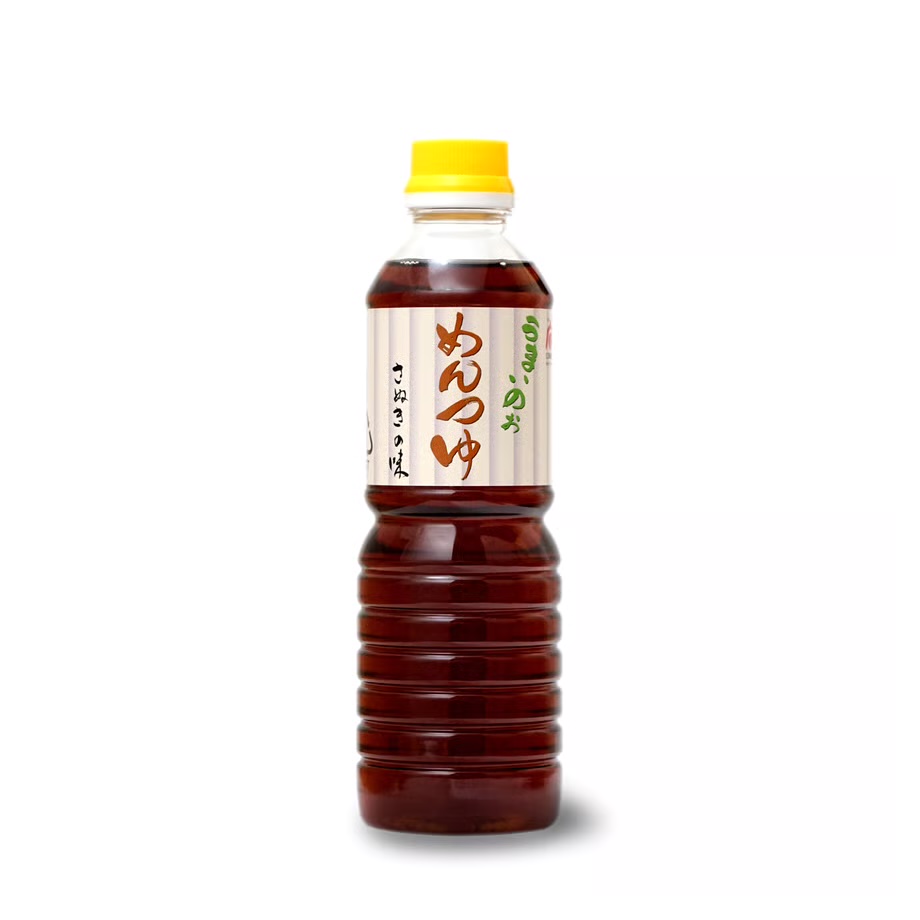
A maker in Kamiita, Tokushima. It began in 1946 in Komatsushima as a sauce works, and later shifted its weight to ponzu and organic seasonings. It received organic JAS certification in 2000, and since 2007 has gone into abandoned farmland to farm organically itself. It is known for a ponzu that uses no brewed vinegar, drawing its acidity only from the juice of sudachi, yuzu and yuko. - Uoi Shoten
A miso brewery in Kitasako, Tokushima City. It makes Gozen Miso Kojiden, mashed at seventeen parts koji, using 1.7 times as much koji as soybean. It is known for a mash that draws out koji-derived sweetness, using white-eyed whole soybeans, salt from Naruto, and selected rice koji.
Nearby prefectures