
Tomoe Domin no Shoyu Hokkaido Marudaizu (トモエ 道民の醤油 北海道丸大豆)
The story behind it
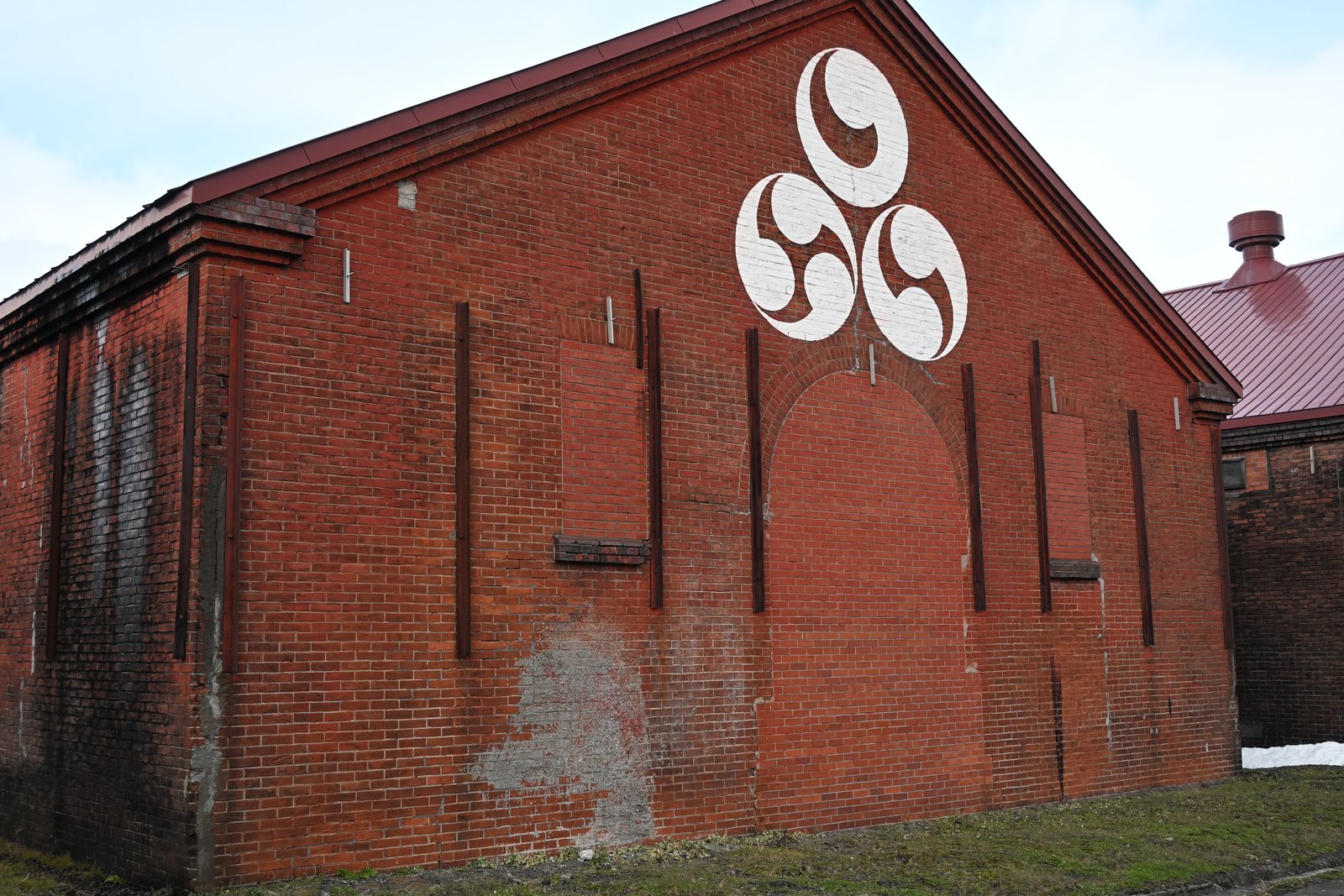
Fukuyama Jyozo, in Naebo, Higashi Ward, Sapporo, began as a kaisen donya, a shipping wholesaler based in Fukui. It began making shoyu (soy sauce) in Sapporo in 1891 (Meiji 24). The red-brick fermentation building it put up in 1918 (Taisho 7) is still used for brewing, warmed by steam pipes in winter. The Naebo shoyu factory was recognized as a Hokkaido Isan (Hokkaido Heritage) site in 2004 and as a Kindaika Sangyo Isan (Heritage of Industrial Modernization) site in 2007.
Domin no Shoyu ("shoyu for the people of Hokkaido") is a series launched in 2015 on the idea of using Hokkaido-grown ingredients and making it in Hokkaido. The ingredients of this Hokkaido Marudaizu are just three: soybeans (from Hokkaido), wheat (from Hokkaido) and salt. The label reads "Tokusen" (special grade). Ordinary shoyu sometimes has alcohol (shusei) added to stop fermentation, but none is added here.
Keeping quality the same all year round without adding alcohol was hard, and the company says that when the product first went on sale there was a period when alcohol was added. After reworking how temperature is managed and the shape of the tanks, it managed to stop adding alcohol around the tenth year after launch.
How to use it
Try it first in place of your usual shoyu: for dipping, for pouring over food, or for seasoning a dish. Fukuyama Jyozo says, "We are particular about how it is made, but not about how it is used."