JPEN
Seasonings of Japan

Japanese Seasonings: A Guide by Type and Prefecture

Japanese seasonings can be sorted two ways: by type and by place. Compare 12 types in one table, then browse the regional seasonings of 47 prefectures.

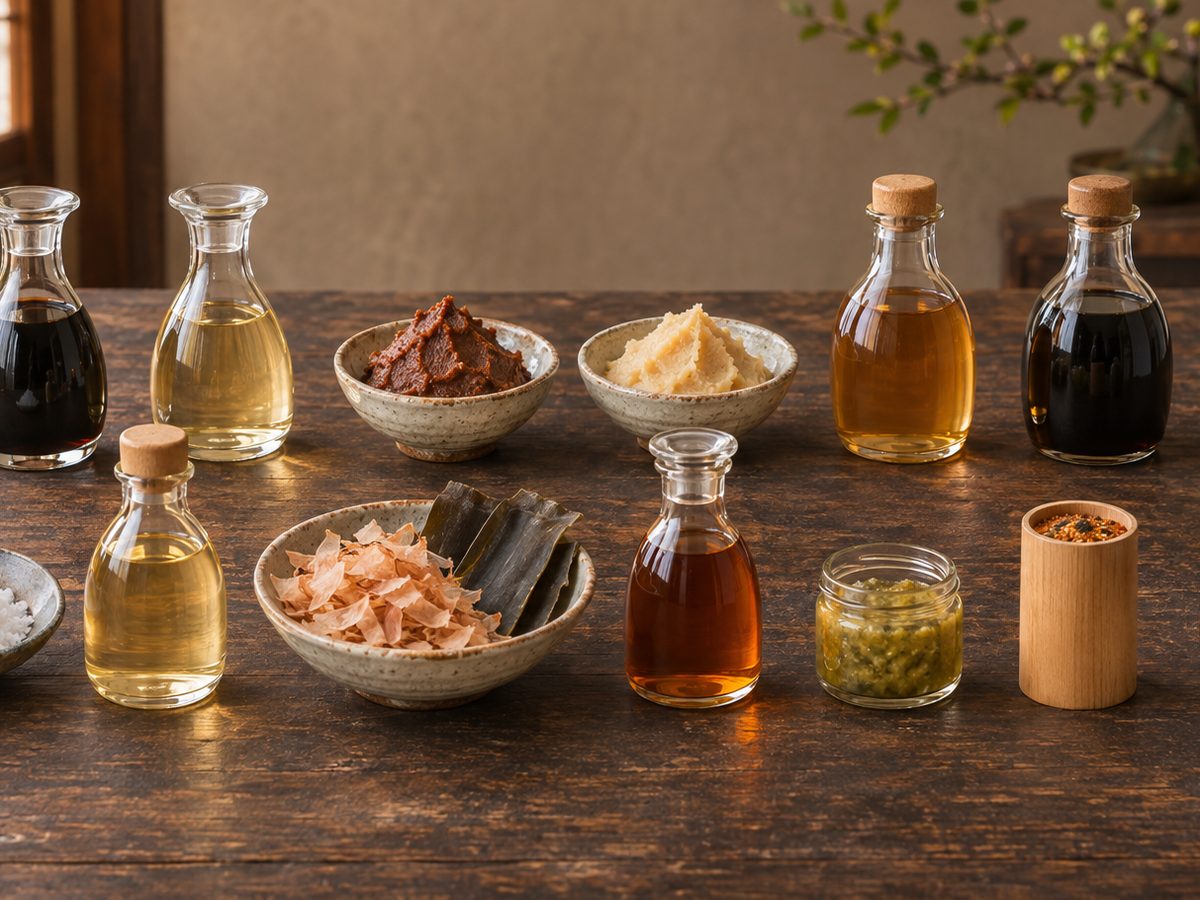
A table set with Japanese seasonings: soy sauce, miso, vinegar, salt, mirin, dashi, sesame oil, yuzu kosho and shichimi

The types at a glance12 types, one line each (the table also shows which are fermented seasonings)

TypeIn briefFermentedExample prefectures on this siteProducts
Shoyu (soy sauce)FermentedSoybeans and wheat, brewed with koji and brineFermentedKagawa, Hyogo, Nara, Kumamoto36
MisoFermentedSteamed soybeans aged with koji and saltFermentedEhime, Nagano, Niigata, Kumamoto25
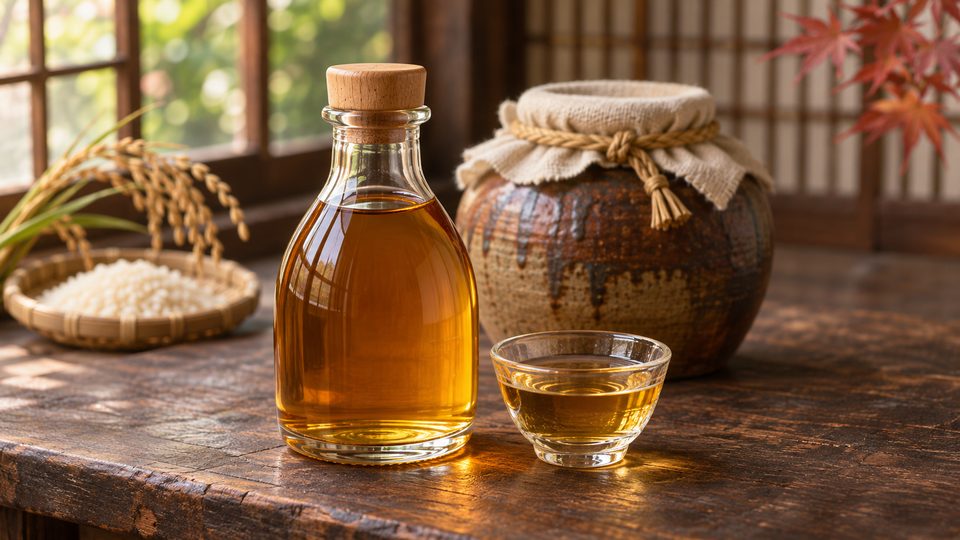
VinegarFermentedGrain-based alcohol turned sour by acetic acid bacteriaFermentedChiba, Kyoto, Fukui, Kagoshima10
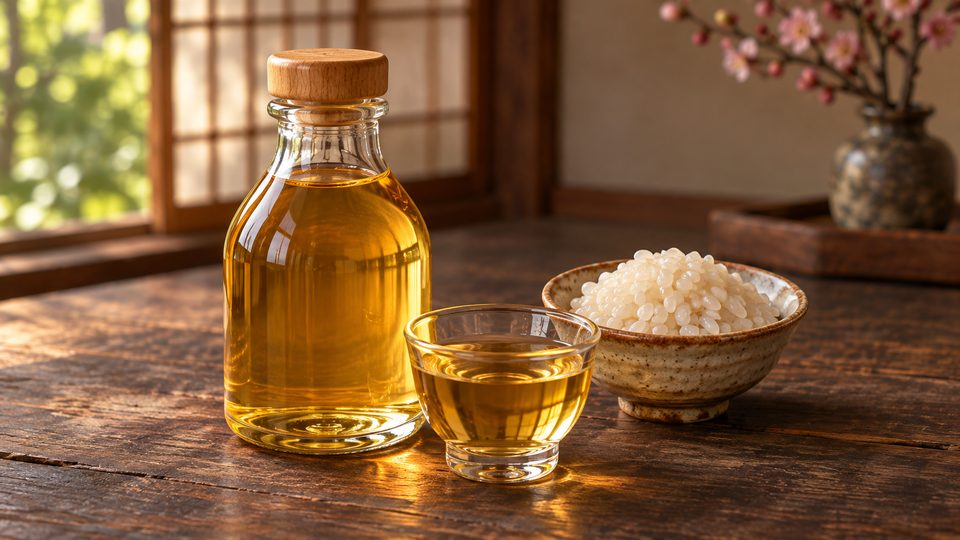
MirinFermentedSweetness drawn from glutinous rice and rice kojiFermentedAichi, Kumamoto, Gifu, Hyogo4
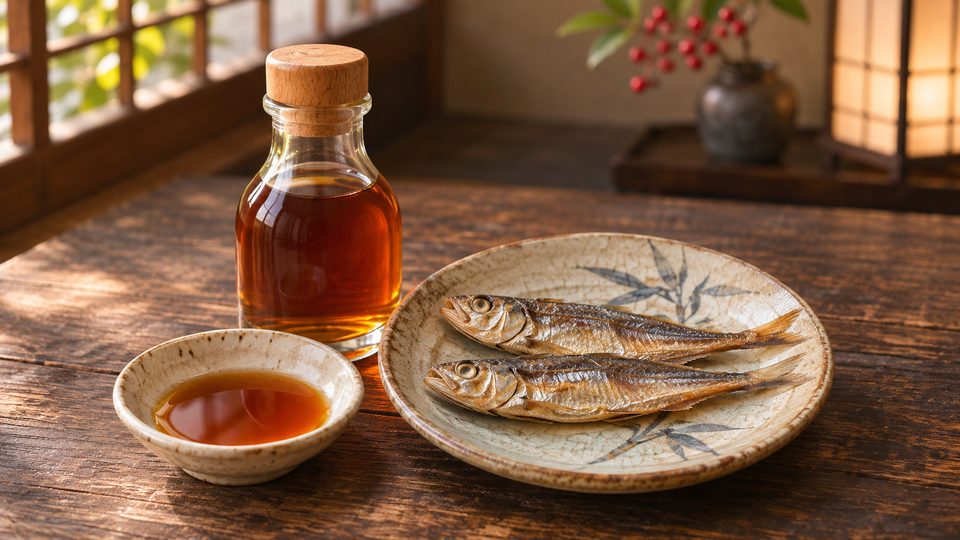
Fish sauceFermentedFish or shellfish steeped in salt into a liquidFermentedAkita, Ishikawa, Yamaguchi4
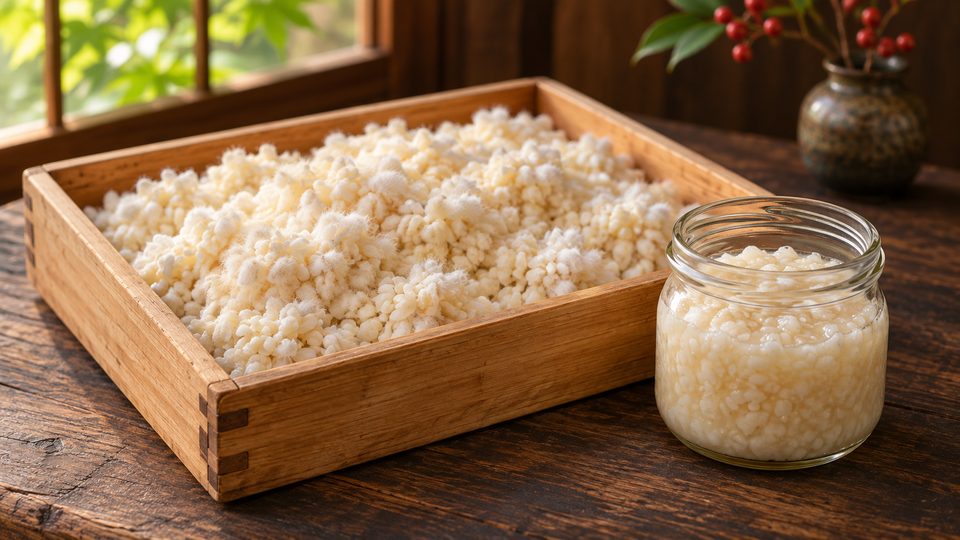
Koji-basedFermentedKoji itself, or seasonings made with kojiFermentedIshikawa, Fukushima, Toyama, Akita5
SaltMade from seawater and more; taste depends on the methodNot counted as a fermented seasoning on this siteKochi, Ishikawa, Okinawa, Nagasaki9
DashiUmami drawn from kombu, katsuobushi, ago and moreNot counted as a fermented seasoning on this siteSaitama, Hokkaido, Fukuoka, Akita23
Spicy seasoningsYuzu kosho, shichimi, sansho, wasabi: aroma and heatNot counted as a fermented seasoning on this siteTokyo, Nagano, Niigata, Oita16
Sauces and tareBlended seasonings such as Jingisukan (grilled lamb) sauce and regional saucesNot counted as a fermented seasoning on this siteHiroshima, Hokkaido, Aomori, Osaka10
PonzuCitrus juice at heart; often seasoned with shoyuNot counted as a fermented seasoning on this siteTokushima, Gifu, Osaka, Kochi6
OilSesame oil and the like, for aroma and richnessNot counted as a fermented seasoning on this siteKanagawa, Mie, Aichi4

Each type in detailRelated articles, and the prefectures that have it

Shoyu (soy sauce)

Products: 36

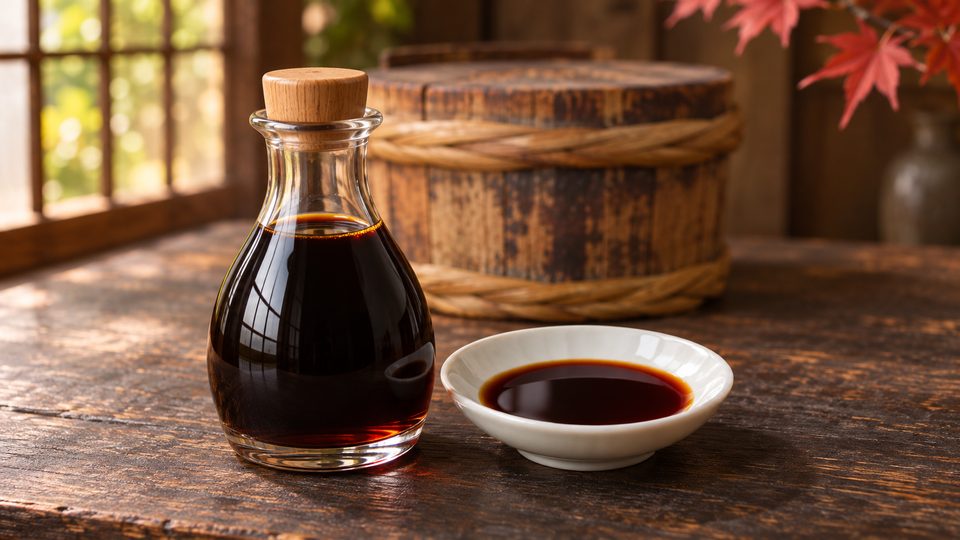
Shoyu is made from soybeans and wheat with koji and brine. Koikuchi, usukuchi, tamari and others differ in taste and color.

Related articles

Where to find Shoyu (soy sauce)

Miso

Products: 25

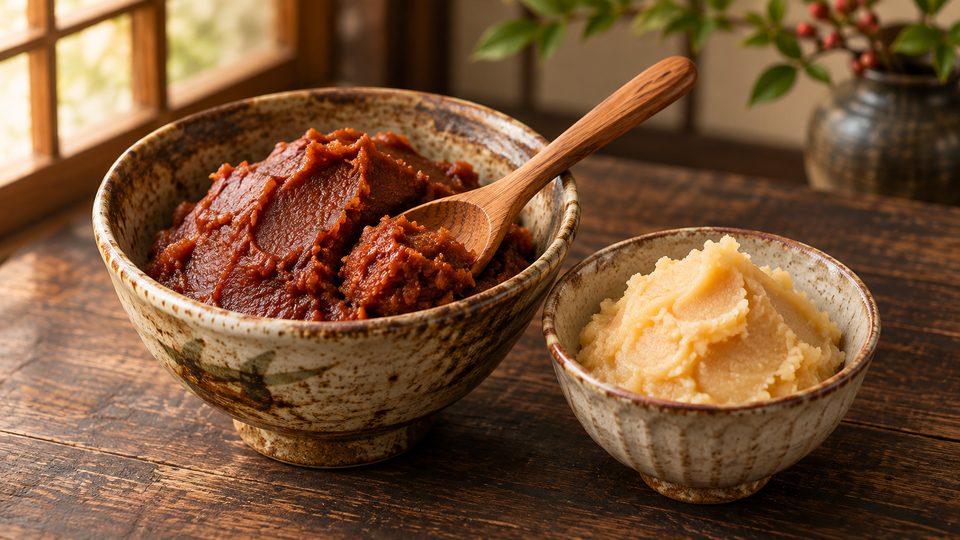
Miso is steamed soybeans aged with koji and salt. Whether the koji is made from rice, barley or soybeans sets the type of miso.

Related articles

Where to find Miso

Vinegar

Products: 10

Vinegar turns an alcohol brewed from grain into sourness with acetic acid bacteria. Rice vinegar, kurozu and others differ in aroma by ingredient and aging.

Related articles

Where to find Vinegar

Mirin

Products: 4

Mirin draws sweetness from glutinous rice and rice koji. Hon-mirin and mirin-style seasonings are made in different ways.

Related articles

Where to find Mirin

Fish sauce

Products: 4

Fish sauce is fish or shellfish steeped in salt for a long time, turning its umami into a liquid. Shottsuru in Akita and ishiru in Noto are examples.

Related articles

Where to find Fish sauce

Koji-based

Products: 5

Koji-based seasonings are koji itself, or seasonings made with koji. Shio-koji and shoyu koji are used to season and marinate food.

Related articles

Where to find Koji-based

Salt

Products: 9

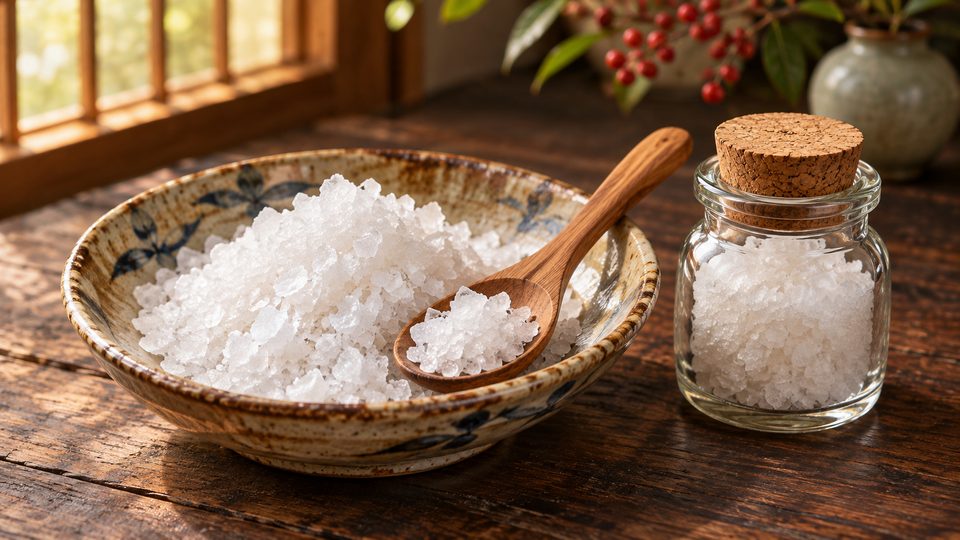
Salt is made from seawater and other sources. Even the same salt changes in taste and texture by how it is made, such as boiling in a pot or drying in the sun.

Related articles

Where to find Salt

Dashi

Products: 23

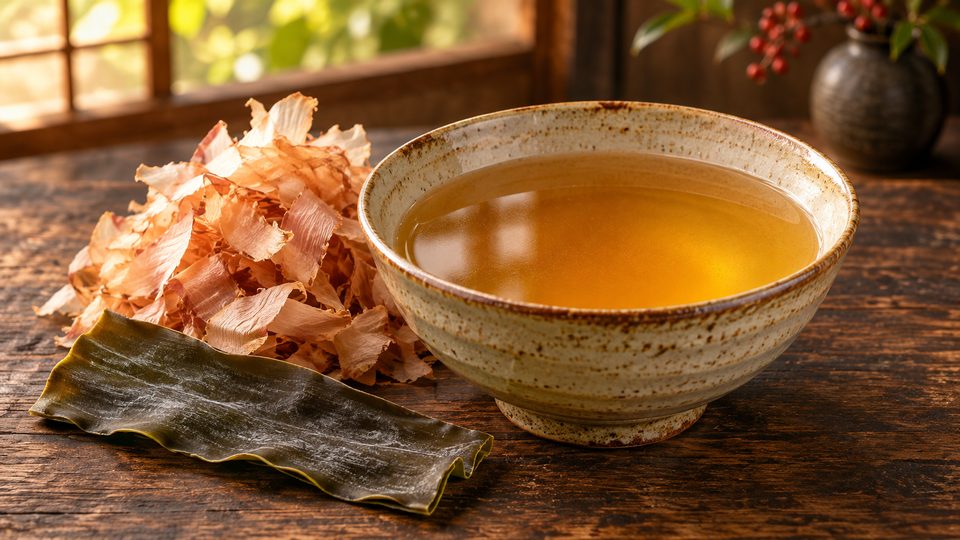
Dashi draws umami from kombu, katsuobushi, ago (flying fish) and more. Some products, such as shiro-dashi and mentsuyu, are finished for easy use.

Related articles

Where to find Dashi

Spicy seasonings

Products: 16

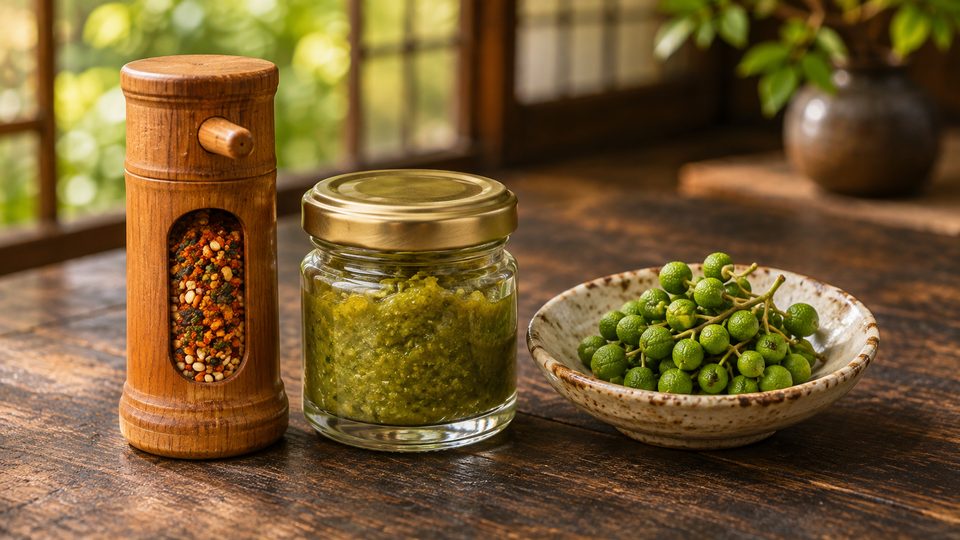
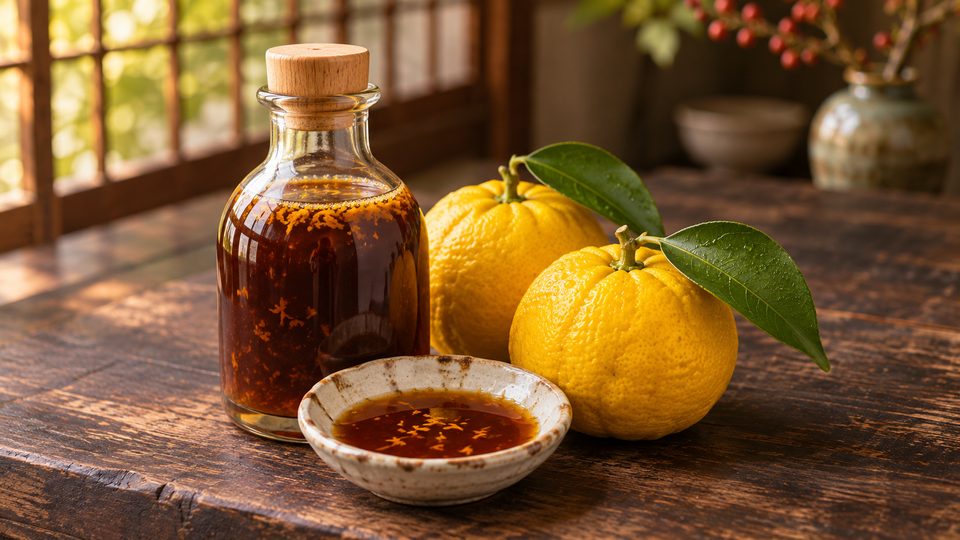
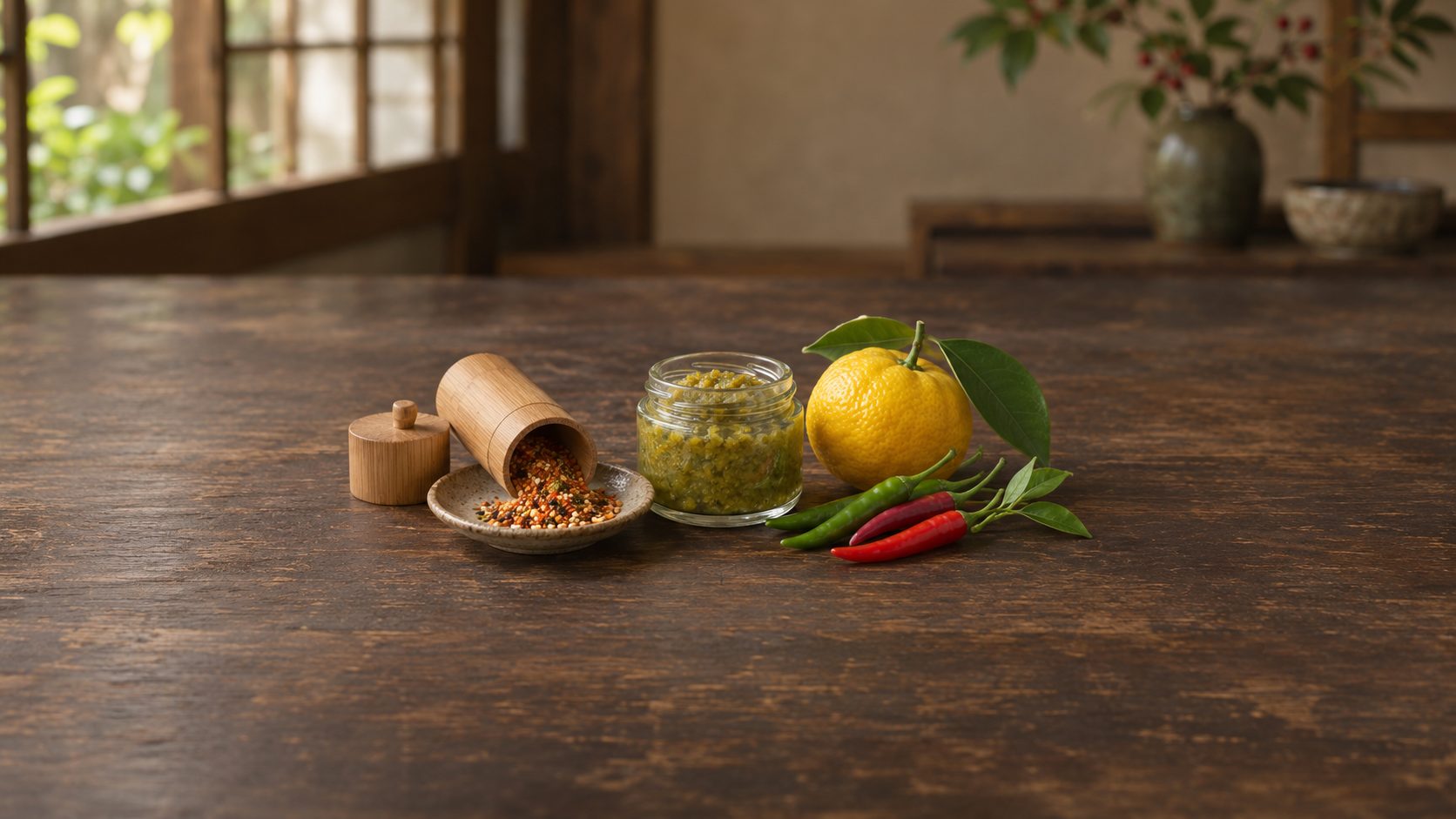
Spicy seasonings (karami) add aroma and heat to food. Examples are yuzu kosho, shichimi togarashi, sansho and wasabi. Shichimi togarashi and yuzu kosho are said to have been born in Japan.

Related articles

Where to find Spicy seasonings

Sauces and tare

Products: 10

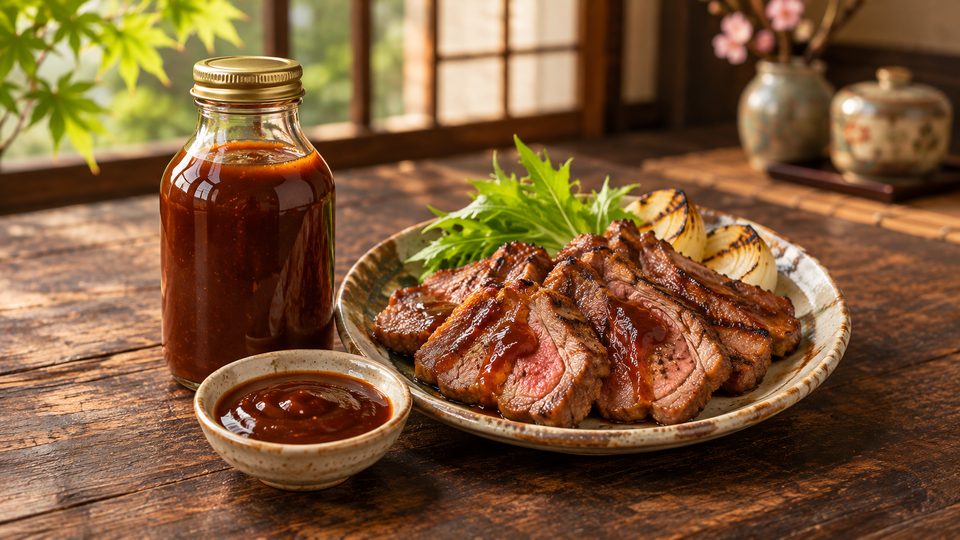
Sauces and tare are blended seasonings made for grilling or dipping. Examples are Jingisukan (grilled lamb) sauce and regional sauces, which are tied to local food.

Related articles

Where to find Sauces and tare

Ponzu

Products: 6

Ponzu originally means citrus juice. Seasoned with shoyu or dashi, it is sold as "ajitsuke ponzu" or "ponzu shoyu". The articles compare the two and how to choose.

Related articles

Where to find Ponzu

Oil

Products: 4

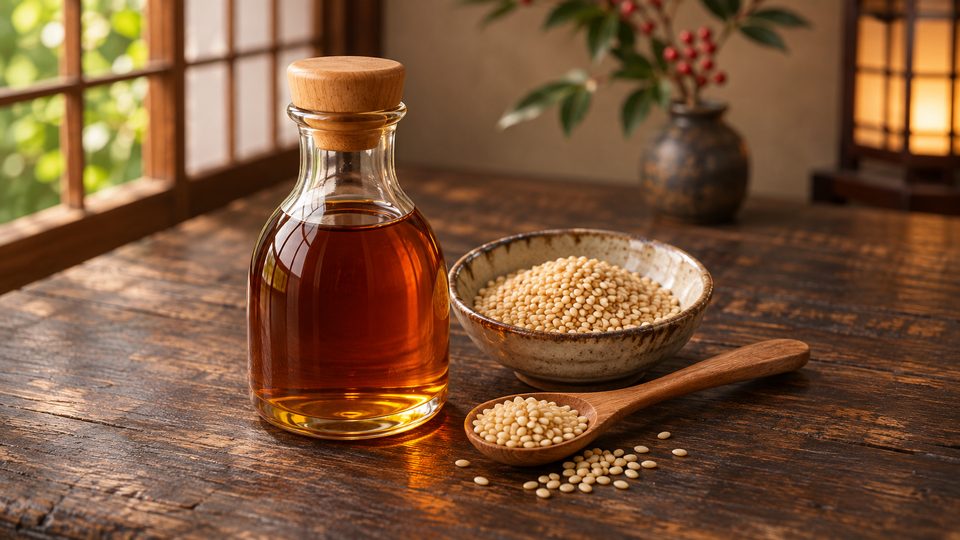
Oil here means sesame oil and the like, which adds aroma and richness to food.

Related articles

Where to find Oil

Find by prefectureRegional seasonings of 47 prefectures

Hokkaido region

Tohoku

Kanto

Chubu & Noto

Kansai

Chugoku & Shikoku

Kyushu & Okinawa

Which seasonings came from Japan?Read by origin

Shichimi togarashi and yuzu kosho are said to have been born in Japan, while shoyu, miso and koji are thought to have come from the continent and taken shape here. The origins of mirin and ponzu are hard to separate. Because these origins are debated, one article sorts them using dictionaries and materials from Japan's Ministry of Agriculture, Forestry and Fisheries (MAFF).

Frequently asked questions

What kinds of seasonings are there in Japan?

Shoyu, miso, vinegar, mirin, salt and dashi, plus spicy seasonings such as yuzu kosho and shichimi, tare and sauces, ponzu and oil. This site introduces 152 products in 12 types from 47 prefectures.

Which seasonings originated in Japan?

Shichimi togarashi is said to have been born in Edo's Yagenbori district (the chili pepper itself is a foreign crop), and yuzu kosho in Kyushu. Shoyu, miso and koji are thought to have come from the continent and taken shape in Japan. The origins of all of these are debated.

What are regional seasonings (gotochi chomiryo)?

"Gotochi chomiryo" is a term generally used for seasonings that grew out of a region's specialty ingredients and food culture. On this site you can find the makers and products to buy for each of 47 prefectures.

What is "sashisuseso"?

"Sa-shi-su-se-so" is a Japanese mnemonic for the basic seasonings of cooking: sugar, salt, vinegar, shoyu and miso. This site covers salt, vinegar, shoyu and miso, but not sugar.

Which seasonings are fermented?

Japan's Ministry of Agriculture, Forestry and Fisheries lists miso, shoyu, vinegar and mirin as typical grain-based fermented seasonings. This site adds fish sauce and koji-based seasonings, making six types, in its guide to fermented seasonings.

SourcesThe descriptions of fermented seasonings were checked against these sources (November 22, 2026). The other types are general descriptions based on this site's articles

Last updated: