
Start with these 3


With Izumo soba, you pour the broth directly over noodles already in the bowl. Because nothing gets dipped, the broth has to land with full strength and aroma from the first mouthful. The stacked wari-ko bowls came out of eating it this way.
Okuizumo is mountain country that grew wealthy on tatara ironmaking. Producing iron meant managing the forests and the water, and the worked-out sites were turned into rice fields. That habit of unhurried, hands-on work still shows in how shoyu (soy sauce) is made here.
- Wari-ko soba, eaten with broth poured on, demands a stronger broth
- Hands-on work that survives in the old tatara ironmaking country
島根の醤油はなぜ甘いのか
島根の醤油は甘い。山陰の食卓ではそう言われてきました。地元では糖類を加えた甘口醤油や、甘みを含んだ刺身醤油が日常的に使われています。刺身につければ角がなく、煮物にすれば照りが出る。ふつうの濃口とは別の役割を担ってきた醤油です。
なぜ甘さが求められたのか。ひとつは日本海の脂ののった魚に合わせるためだとされています。ぶりや鯖のように身の濃い魚には、甘みのある醤油のほうがなじみやすい。もうひとつは出雲そばです。割子そばはつゆを器の上から直接かけて食べるため、一口目から成立する濃さと丸みが必要でした。塩気だけでは尖ってしまう。甘みを含んだ醤油が土地の型として残ってきたと考えられます。
奥出雲に残る、古式の醤油づくり
島根県は醤油の発祥地ではありません。醤油の源流は和歌山県の湯浅などにあるとされ、島根に発祥を伝える確かな記録は見当たりません。ただし奥出雲を中心とした山あいには、江戸の終わりから続く醤油の蔵が今も残っています。
奥出雲は、たたら製鉄で栄えた土地です。鉄を作るために森と水を管理し、跡地を田に変えてきました。米も大豆も清冽な水もそろい、急がず手をかける仕事の気風があった。そこに、大豆をぜいたくに使い酵母を加えずに寝かせる古式の造りが根づいたとされています。派手さはありませんが、料理人が黙って通うような醤油が、この土地では育ってきました。
Local dishes and their seasonings
- 出雲そば
- そばの実を殻ごと挽く「挽きぐるみ」で色が濃く香りが強いのが特徴です。器を三段重ねた「割子」に盛り、上からつゆを直接かけて食べます。つけて食べないぶん、つゆには一口目から成立する濃さと丸みが求められる。地元の甘口醤油は、この食べ方に合わせて育ってきたとされています。
- しじみ汁
- 宍道湖でとれる大和しじみを使った汁物です。宍道湖は淡水と海水が混じる汽水湖で、大和しじみの漁獲量は全国有数とされています。味噌仕立てで、身よりも澄んだだしを味わう椀です。日常の朝食にも、宿の膳にも並びます。
- うずめ飯
- 県西部・津和野に伝わる郷土料理です。細かく刻んだ椎茸・人参・豆腐などをだしで煮て、それをご飯の下に「埋め」、上から出汁をかけて食べます。表向きは質素なご飯に見えて、下に具が隠れている。倹約と工夫のあらわれた料理として伝えられてきました。
Makers in Shimane
- 井上醤油店慶応3年創業
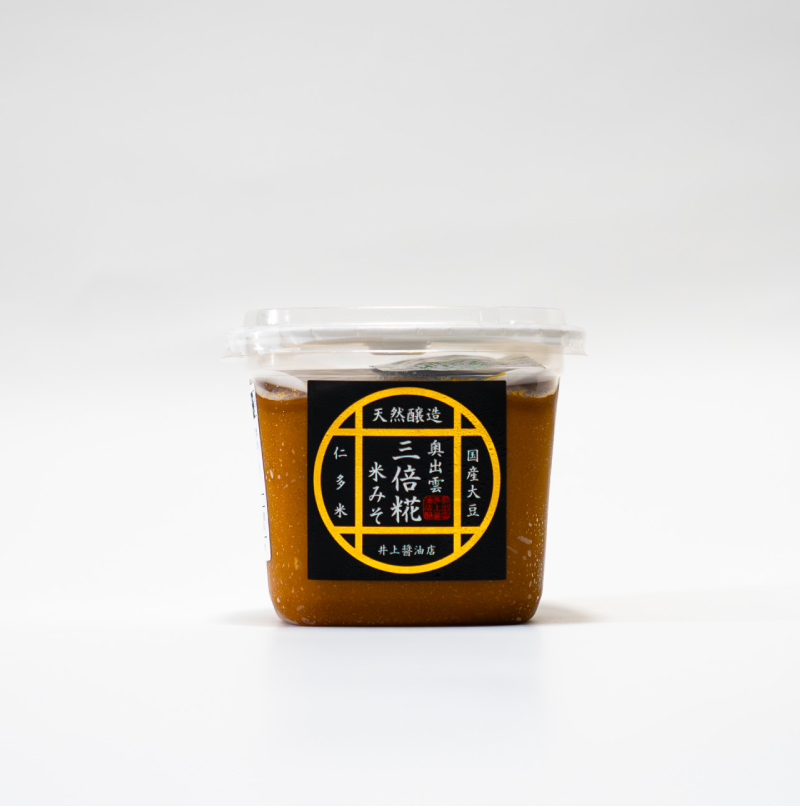
神話の里・奥出雲で、江戸の終わり(1867年)から醤油を造り続けてきた蔵です。国産丸大豆と国産小麦を使い、大豆をぜいたくに多く使う古式製法で、酵母を加えない天然醸造でじっくりと寝かせます。派手な宣伝はしませんが、料理人や食通が黙って通う一本として知られています。糀を三倍使う「奥出雲三倍糀米みそ」など、味噌も手がけています。
Nearby prefectures