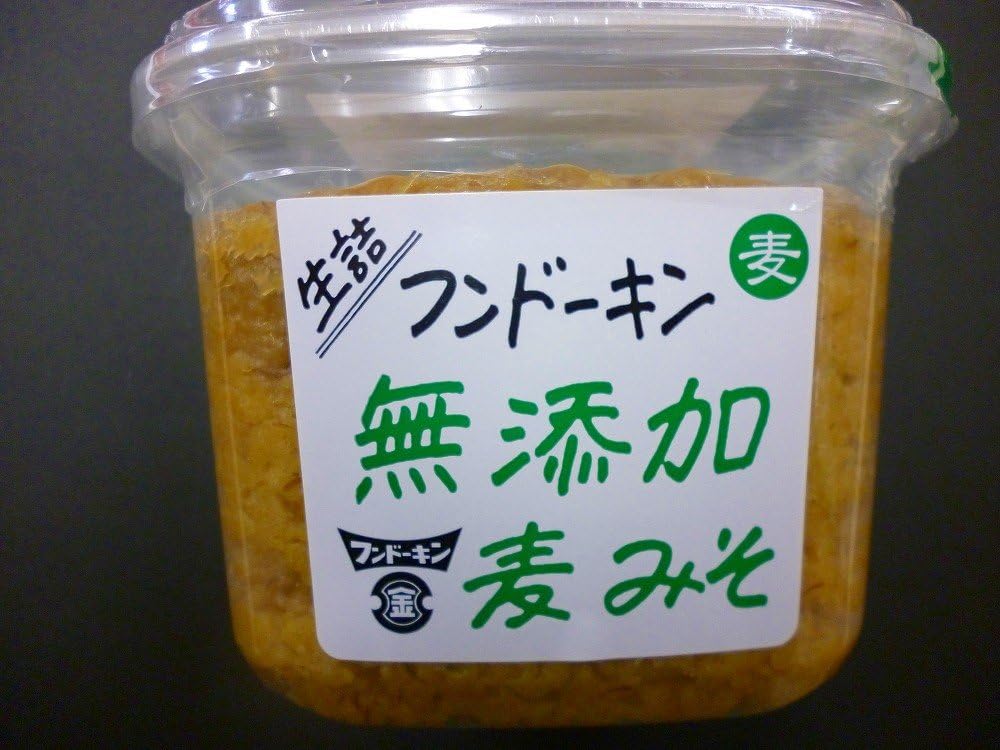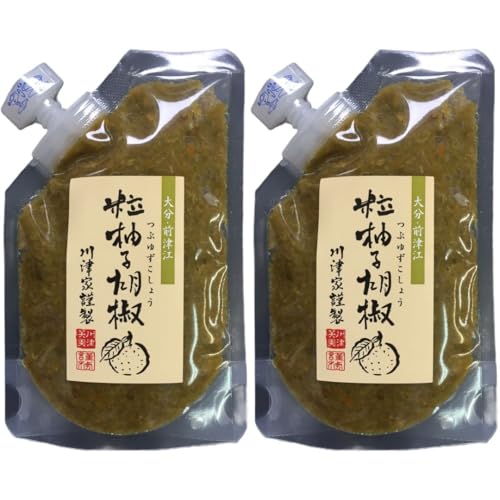

Start with these 2

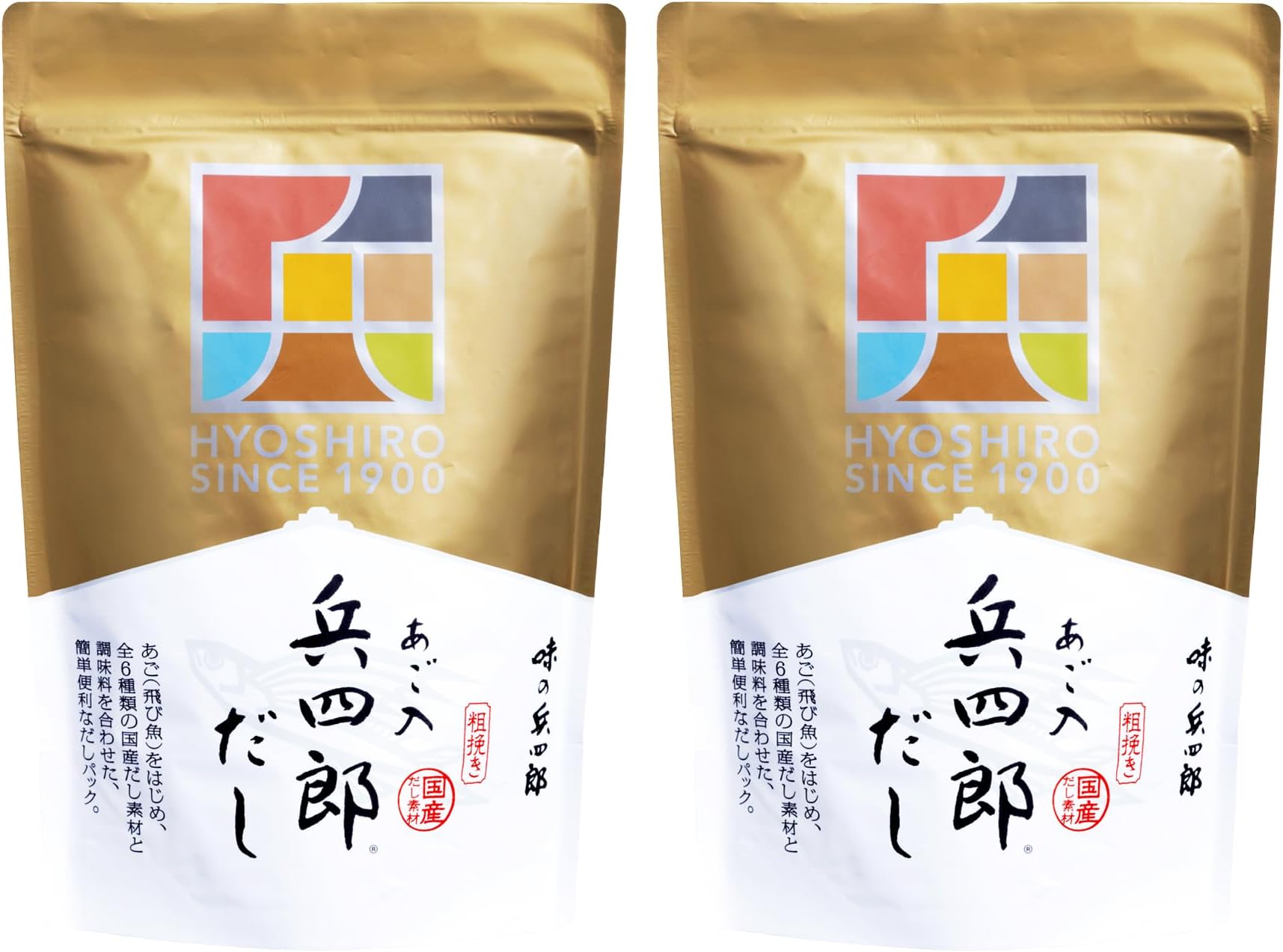
In Kyushu, dashi is made with ago: flying fish, grilled and dried. It is lighter than bonito and yields a clear, faintly sweet broth, which is why it works for dishes like Hakata udon where the soup matters more than the noodles.
Fukuoka is also known for making dashi packs. Take an ingredient that is a chore to prepare and put it in a form a household can actually use. The idea of keeping dashi in everyday cooking spread from here.
- The light, sweet dashi that grilled and dried ago gives
- Dashi packs, a way of keeping dashi in daily cooking
Why Fukuoka shoyu is sweet
Shoyu across Kyushu leans sweet, and Fukuoka sits inside that zone. Someone used to Kanto shoyu who pours it over rice with raw egg or dips sashimi in it will first be struck by how thick and sweet it is. Kyushu breweries often add sugar or sweeteners while blending or pasteurizing, and that sweetness goes straight onto the dinner table.
There are several explanations for why. Sweet seasoning has long been favored in a warm climate where people sweat. Sugar that came in through Dejima in Nagasaki during the Edo period spread across Kyushu along the highways. And sweet shoyu has suited cooking built around the strong-flavored seafood of the Ariake Sea and the fat of tonkotsu and chicken. What Fukuoka calls sashimi shoyu pushes that sweetness one step further, into something almost syrupy.
The lineage of sweet Kyushu shoyu, and Fukuoka
There are several theories about where shoyu itself began. A well-known one says it was born in Yuasa, in Kishu, during the Kamakura period, from the liquid that pooled at the bottom of barrels of Kinzanji miso. How sweet shoyu took hold in Kyushu is said to be tied to the sugar route of the Edo period.
Sugar landed at Dejima in Nagasaki was carried along the Nagasaki Kaido to Kokura, and a culture of sweet confections and sweet cooking grew up along that road. Fukuoka was a stop on this sugar road, and its shoyu and miso are said to have picked up some of that sweetness too. Hakata udon, with soft noodles in a clear broth built on grilled flying fish, belongs to the same taste for gentle sweetness.
Local dishes and their seasonings
- Hakata Mizutaki (博多水炊き)
- A hotpot of chicken simmered bones and all into a milky broth, eaten with ponzu. It is said to have been born in Hakata in the Meiji era, and its style is to hold back on seasoning, letting only salt and ponzu carry the flavor of the chicken.
- Gameni / Chikuzen-ni (がめ煮・筑前煮)
- A Fukuoka home dish of chicken and root vegetables, stir-fried and then simmered. The standard finish is sweet and savory with shoyu, sugar and mirin, and each family hands down its own version for New Year and celebrations.
- Hakata Udon (博多うどん)
- The Hakata way is soft-boiled udon in a clear broth built on grilled flying fish. It is a dish eaten as much for the broth as the noodles, and it stands for Kyushu's ago dashi culture.
Makers in Fukuoka
- Kubara HonkeFounded in 1893
A long-established company headquartered in Hisayama, Fukuoka, which began as a shoyu brewery in 1893. With Kayanoya Dashi, launched in 2005, it spread additive-free dashi packs built on grilled flying fish across Japan. - Aji no Hyoshiro
A Japanese dashi maker in Chikushino, Fukuoka. Its Ago-iri Hyoshiro Dashi, a blend of grilled flying fish, katsuobushi, kombu, shiitake and sardine, has carried the dashi of Kyushu homes to the rest of the country.
Nearby prefectures