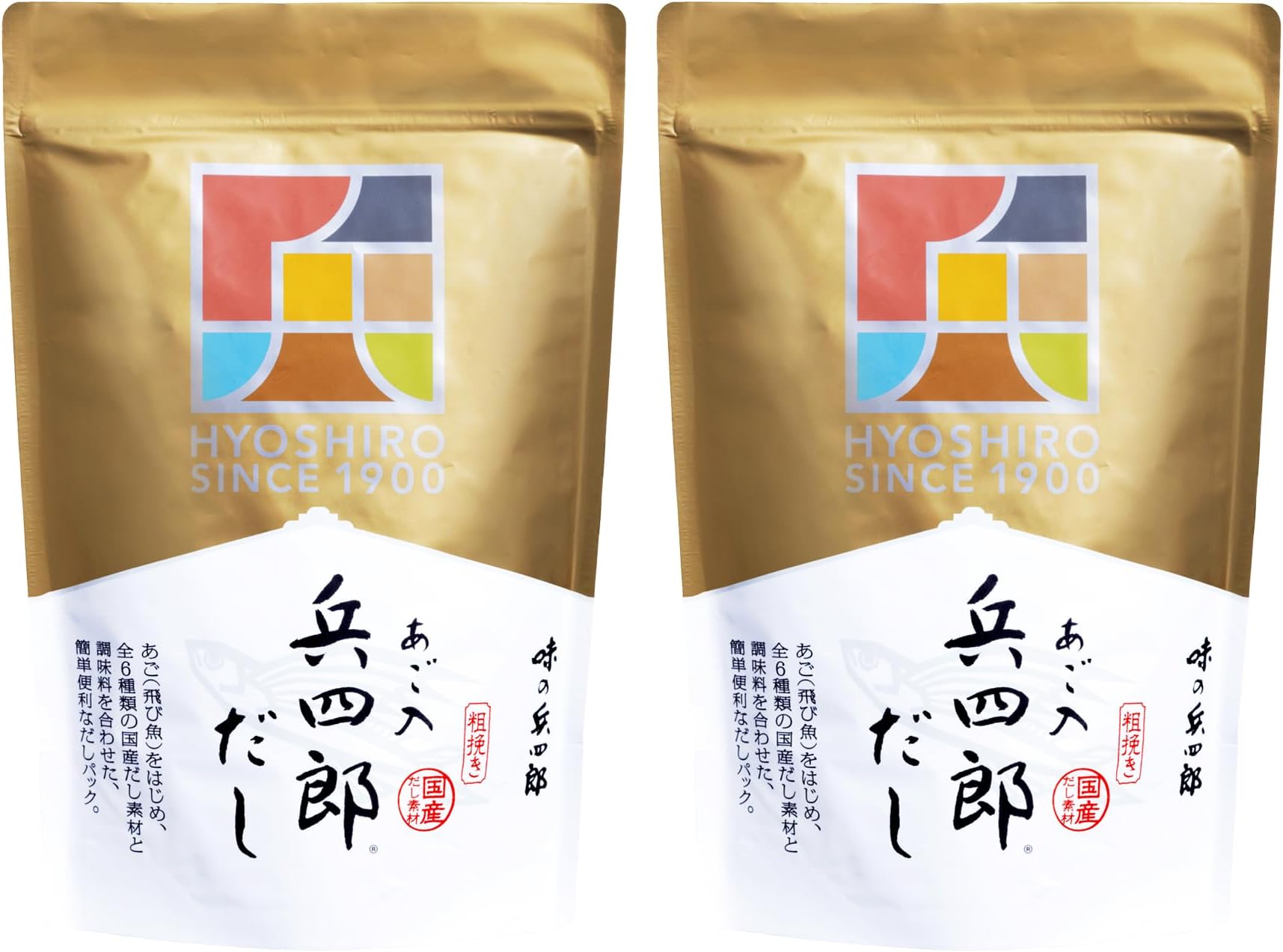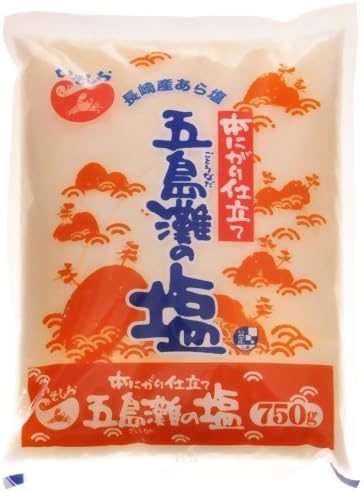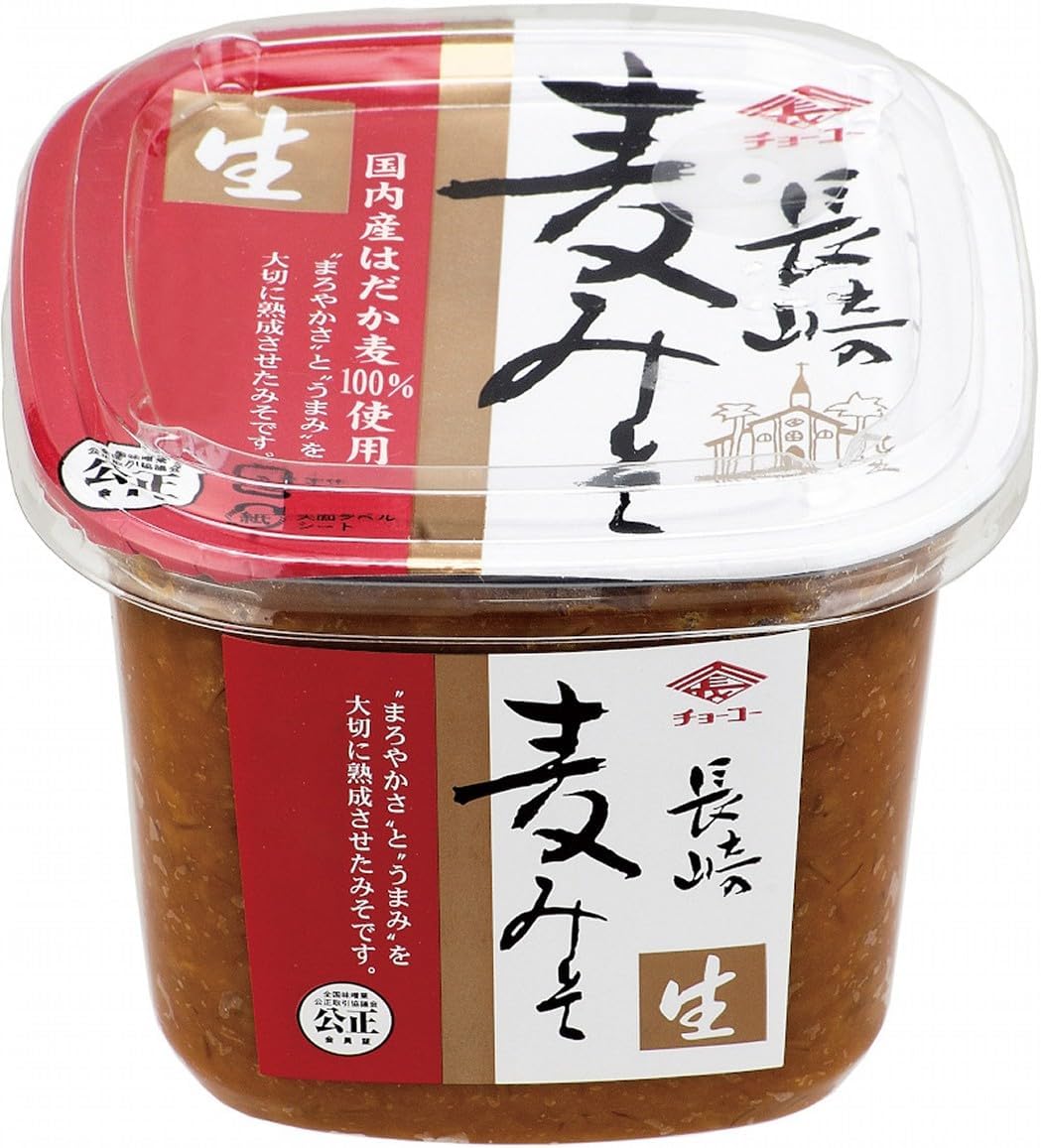

Start with these 2


Kyushu shoyu is sweet. Saga sits inside that zone, where the shoyu you dip sashimi into is expected to be thick and sweet. It is finished with added sweetness, and it is usually the first thing that surprises visitors from elsewhere.
The prefecture also faces the Ariake Sea, which lands fish found almost nowhere else. Eating something as assertive as mudskipper or warasubo goby calls for a sweet, heavy seasoning. The local fish and the local shoyu grew up together.
- The thick, sweet shoyu of Kyushu
- Assertive Ariake Sea seafood and sweet, heavy seasoning
Why Saga shoyu is sweet
Shoyu across Kyushu leans sweet, and Saga sits inside that zone. The shoyu poured over sashimi is thick, with a sweetness like dissolved sugar, and it is the first thing that surprises people from other regions. The sweetness comes from the way it is made: sugar, starch syrup or sweeteners are added to finish the moromi.
There are several explanations for why sweet shoyu spread in Kyushu. Sweetness has been favored in the warm climate. A richness was needed that could stand up to the strong-flavored seafood of the Ariake Sea. And along the sugar road that ran from Nagasaki to northern Kyushu in the Edo period, a sugar culture stayed on.
How the sweetness is made differs from brewery to brewery. At Maruhide Shoyu in Saga, a method survives in which rice amazake, not sugar, is added to the moromi, letting fermentation build the sweetness.
Saga shoyu and the sugar road
Saga has made shoyu and miso since the Edo period, and many of its breweries survived past the Meiji era. The climate and water along the Ariake Sea, and the fact that soybeans and wheat grow here, laid the groundwork for brewing.
Maruhide Shoyu was founded in Saga in 1901. Using whole soybeans, Shirogane wheat grown in Saga and salt from Nagasaki, it leaves the moromi to the brewery's resident microbes and natural temperatures for about two years, carrying on a naturally brewed method today.
The spread of sweet shoyu across Kyushu is said to owe something to sugar that came in through Dejima in Nagasaki during the Edo period and was carried along the Nagasaki Kaido to northern Kyushu. This road is called the sugar road, and sweet confections and sweet cooking remained along it. Saga lies partway along it.
Local dishes and their seasonings
- Suko-zushi (須古寿し)
- A pressed sushi handed down in Shiroishi. Vinegared rice is spread in a wooden frame and topped with grilled mudskipper, shrimp, shiitake, shredded egg and more, then pressed firm. Served at festivals and celebrations, it puts the bounty of the Ariake Sea on a single plate.
- Ganzuke (がん漬け)
- A preserved food of fiddler crabs and other Ariake Sea crabs, crushed shell and all and fermented with salt and chili. Its distinct savoriness and heat have long sat comfortably on a table of sweet shoyu and barley miso.
- Yobuko Squid Ikizukuri (呼子のイカの活き造り)
- A specialty of Yobuko in Karatsu, facing the Genkai Sea. The squid is sliced straight from the tank, so it reaches the table still translucent. The local way to eat it is with Saga's thick, sweet shoyu.
Makers in Saga
- Maruhide ShoyuFounded in 1901
A shoyu and miso brewery in Saga. Its Shizen Ichi Shoyu, naturally brewed from two-year moromi, is a sweet Kyushu shoyu whose sweetness comes from rice amazake added to the moromi rather than sugar. It also makes Jukkoku Miso, brewed with ten domestic grains.
Nearby prefectures