JPEN
Food Culture

Japanese Fermented Seasonings: A Guide by Type and Region

Fermented seasonings are condiments in which microbes such as koji mold, yeast, lactic acid bacteria and acetic acid bacteria bring out umami, sweetness and aroma from the raw ingredients. This guide sorts them into six types (shoyu, miso, vinegar, mirin, fish sauce and koji-based seasonings) and lets you choose by region and by maker.

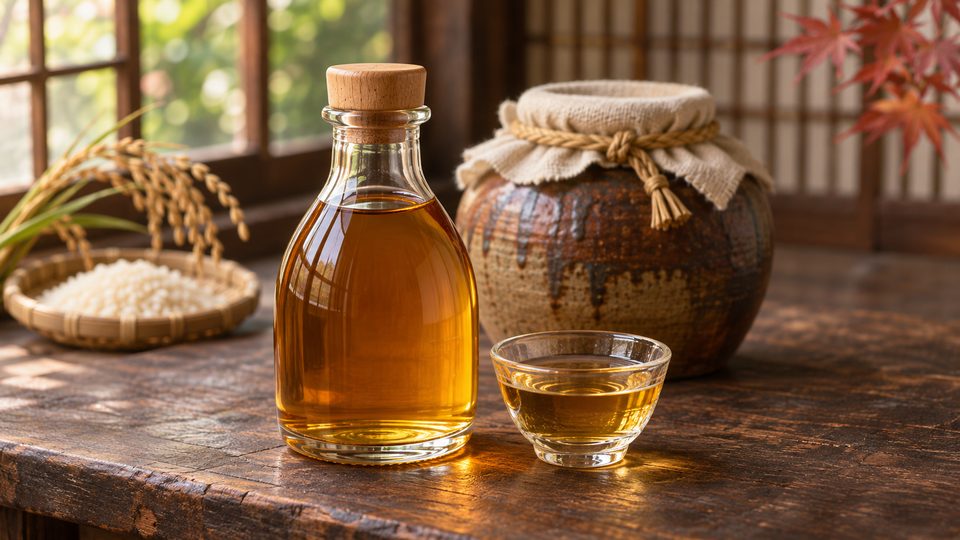
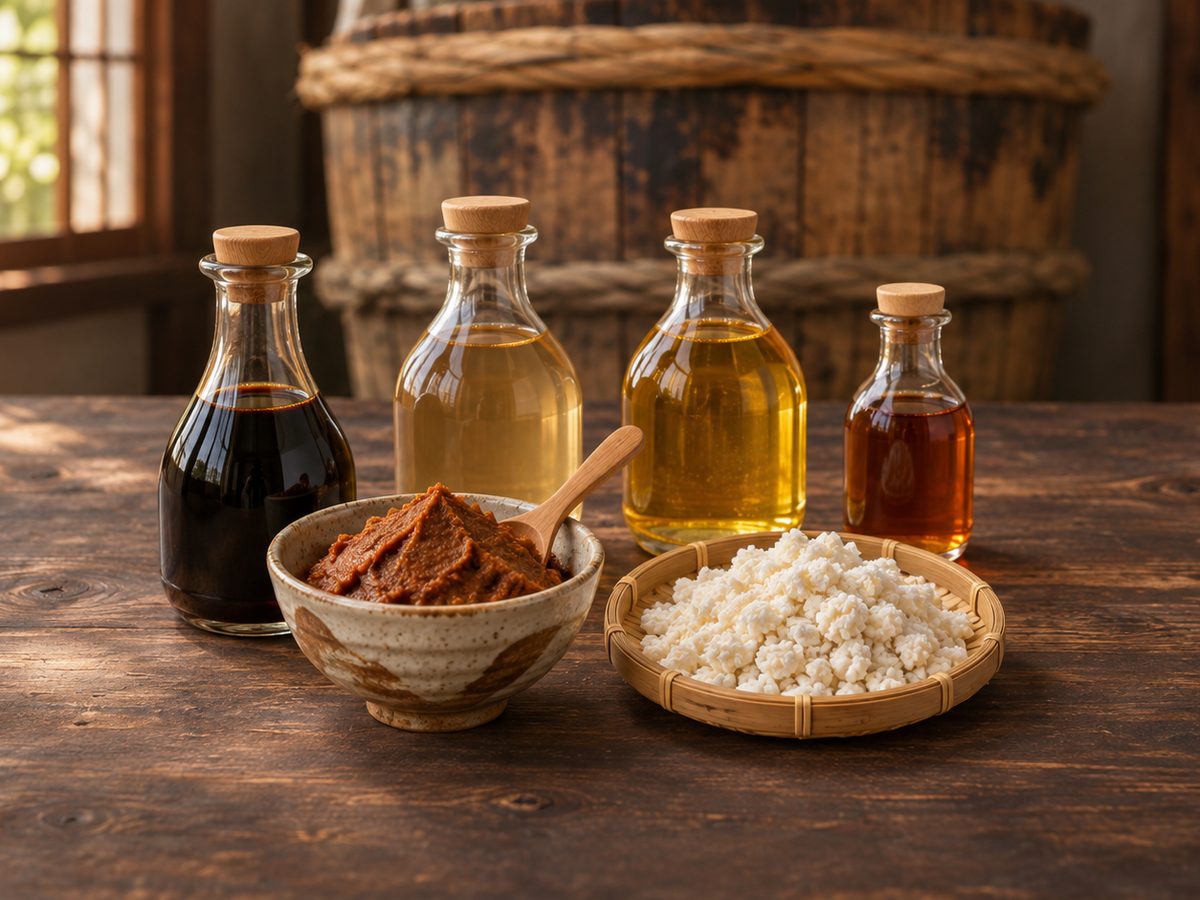
A table set with Japanese fermented seasonings: soy sauce, miso, vinegar, mirin, fish sauce and koji

The six types at a glanceCompared by ingredient and microbe (regions are in each type's section below)

TypeMain ingredientsMicrobes at workPrefectures on this siteProducts
Shoyu (soy sauce)Soybeans, wheat, salt (tamari is mostly soybeans)Koji mold, yeast, lactic acid bacteriaKagawa, Hyogo, Nara, Kumamoto36
MisoSoybeans, koji, saltKoji mold, yeast, lactic acid bacteriaEhime, Nagano, Niigata, Kumamoto25
VinegarRice and other grains (via alcohol)Koji mold, yeast, acetic acid bacteriaChiba, Kyoto, Fukui, Kagoshima10
MirinGlutinous rice, rice koji, shochu (or alcohol)Koji moldAichi, Kumamoto, Gifu, Hyogo4
Fish sauceFish and shellfish, saltDigestive enzymes of the fish, and microbesAkita, Ishikawa, Yamaguchi4
Koji-basedRice koji, salt, (and shoyu for shoyu koji)Koji moldIshikawa, Fukushima, Toyama, Akita5

On a label, “fermented seasoning” can mean something different

In a shop, a product labeled “fermented seasoning” (発酵調味料, hakko chomiryo) can be a mirin-type seasoning with salt added (Mirin-style seasoning vs hon-mirin). On this page, “fermented seasoning” is the general term for seasonings made by microbial fermentation.

Each type in detailWhat sets them apart, related articles, and where each is made

Shoyu (soy sauce)

Products: 36 · Articles: 15

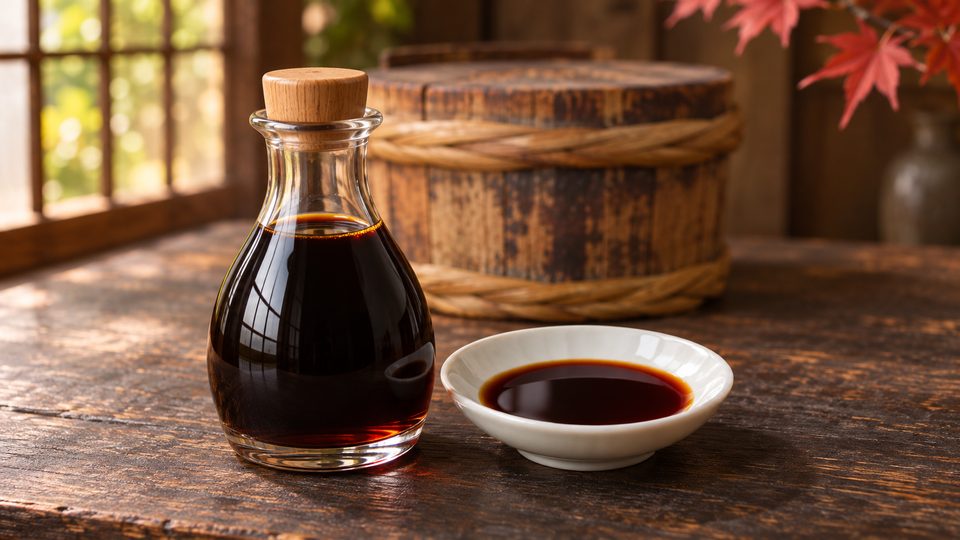
Shoyu is made by combining soybeans and wheat with koji mold, then brewing the mixture in brine and aging it. Koikuchi, usukuchi, tamari, shiro and saishikomi differ in the ratio of ingredients and in how they are brewed, and so in flavor and color. The kinds of shoyu in common use also differ from region to region.

Related articles

Prefectures with Shoyu (soy sauce) products
Miso

Products: 25 · Articles: 7

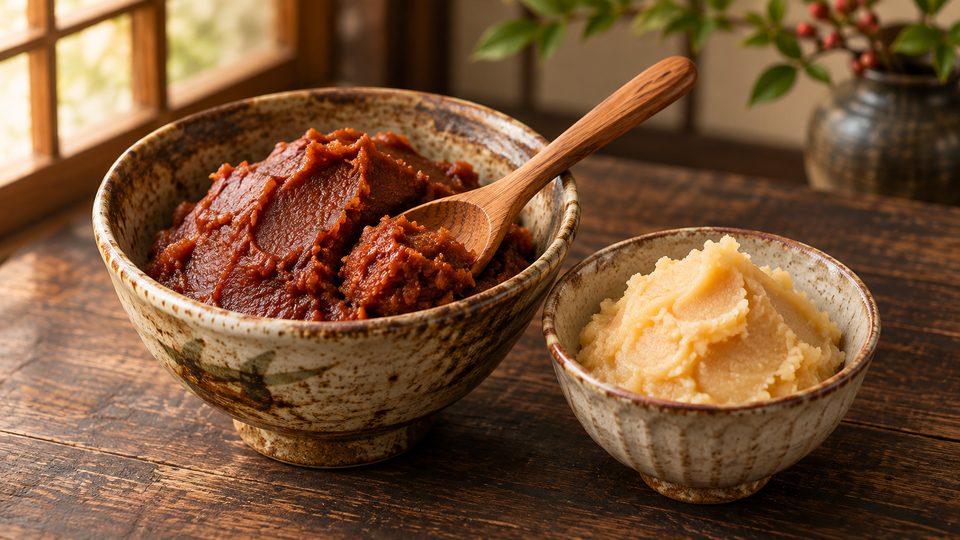
Miso is made by mixing steamed soybeans with koji and salt and aging the mixture. By the kind of koji, it divides into rice miso, barley miso and soybean miso, and color, sweetness and saltiness change with it. Each region has its own favorite miso.

Related articles

Prefectures with Miso products

Vinegar

Products: 10 · Articles: 7

Vinegar is made by putting acetic acid bacteria to work on an alcohol brewed from rice or other grains, which creates the sourness. As with rice vinegar and kurozu (black vinegar), the aroma and the mellowness change with the ingredients and with how the vinegar is aged.

Related articles

Prefectures with Vinegar products

Mirin

Products: 4 · Articles: 2

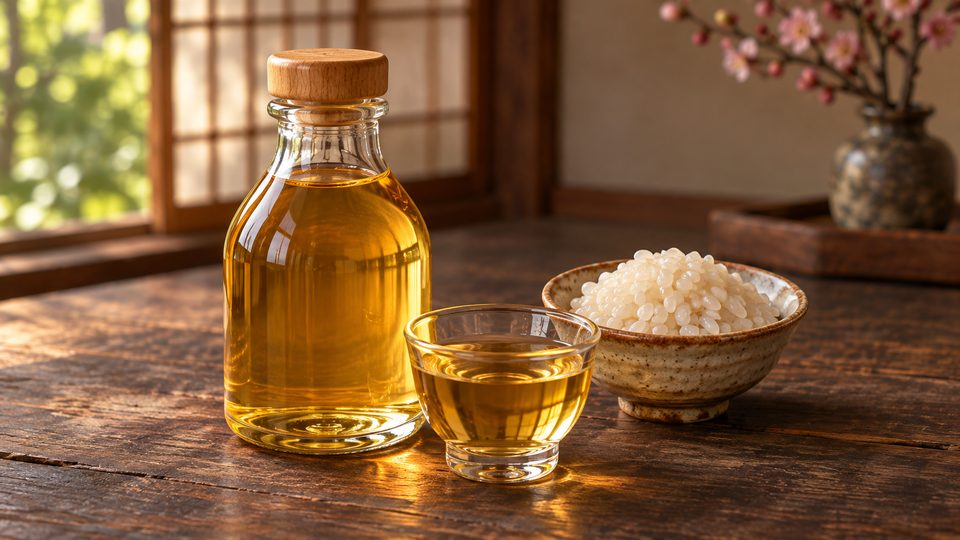
Mirin is made by adding shochu or a similar alcohol to glutinous rice and rice koji; the koji turns the starch of the rice into sugar and brings out the sweetness. Hon-mirin contains alcohol and gives dishes gloss and sweetness. “Mirin-style seasoning” is made by a different method, so tell the two apart by the label.

Related articles

Prefectures with Mirin products

Fish sauce

Products: 4 · Articles: 2

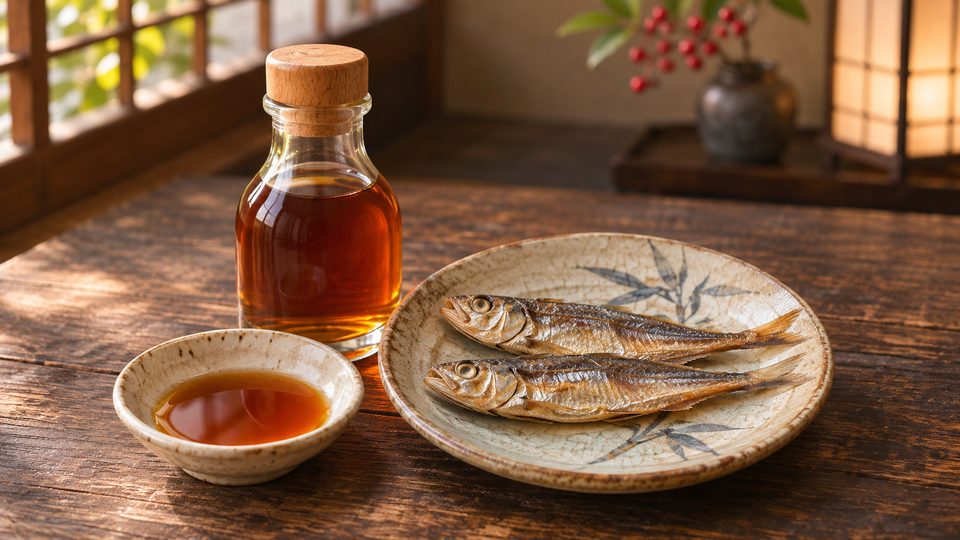
Fish sauce is a liquid seasoning made by salting fish or shellfish and steeping them for a long time to draw out the umami. Japan has its own kinds, handed down region by region: shottsuru in Akita and ishiri (also called ishiru) in Noto.

Related articles

Prefectures with Fish sauce products

Koji-based

Products: 5 · Articles: 4

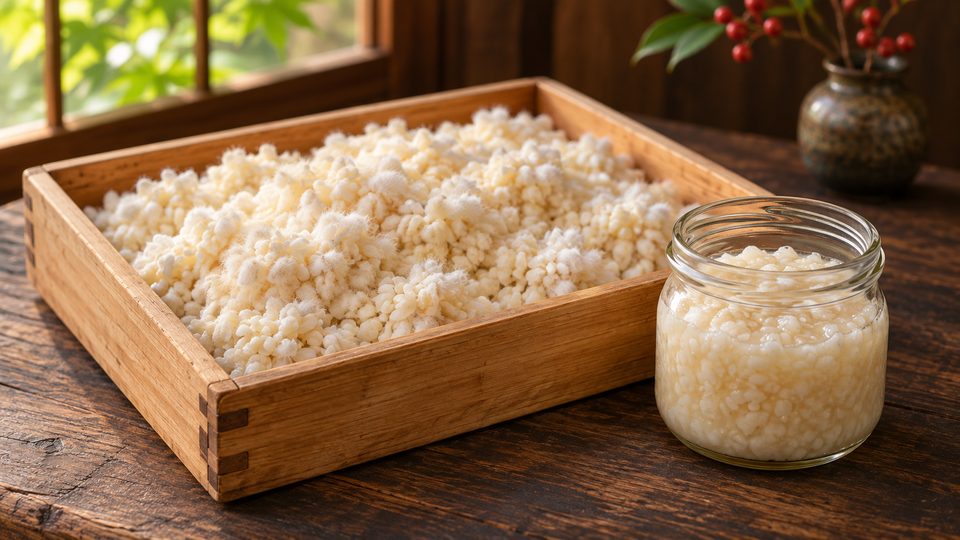
Koji-based seasonings are koji itself, made by growing koji mold on rice or other grains, and seasonings made with koji. Shio-koji and shoyu koji are used to season and marinate food before cooking. Whether the koji is fresh or dried also changes how you use it.

Related articles

Prefectures with Koji-based products

Seasonings blended from fermented onesSome ponzu, sauces and noodle soup bases are made with shoyu, vinegar and other fermented seasonings

Apart from the six types above, there are blended seasonings built on shoyu or vinegar. They are not fermented themselves, but fermented seasonings such as shoyu and vinegar are used to make their flavor.

PonzuOriginally citrus juice; once seasoned with shoyu, it is sold as "ajitsuke ponzu". Products: 6. Sauces and tareWorcester sauce, okonomi sauce and the like. Products: 10. Mentsuyu and dashi shoyuNoodle soup bases that combine shoyu with dashi. The article explains the differences.

Not every seasoning is fermentedSalt, oil, spices, kombu and more

Salt, oil, spices such as shichimi and sansho pepper, and kombu are seasonings that do not go through microbial fermentation. Used together with fermented seasonings, they give the flavor more range.

Find by regionBrowse seasonings region by region

Frequently asked questions

What are fermented seasonings?

Fermented seasonings are seasonings made through the work of microorganisms. Koji mold, yeast, lactic acid bacteria and acetic acid bacteria bring out umami, sweetness and aroma.

What are the “three great fermented seasonings of Japan”?

We could not find a fixed phrase for this in the materials of the Ministry of Agriculture, Forestry and Fisheries (MAFF). MAFF lists miso, shoyu, vinegar and mirin as the representative fermented seasonings made from grains. This page introduces six types: those four, plus fish sauce and koji-based seasonings.

Are fermented seasonings bad for your health?

Fermented seasonings are food, so they cannot be called simply good or bad for the body. Many of them contain salt, so the practical approach is to watch how much you use and to check the salt content on the label.

Related reading

SourcesThe explanations on this page were checked against the following sources (November 22, 2026). All of them are in Japanese.

Last updated: