Ask which seasoning was born in Japan and many people think of shoyu (soy sauce) first. But hishio (醤), the forerunner of shoyu, is a fermented seasoning of continental origin, and its name already appears in the Taiho Code (大宝律令) of 701. The answer changes with what you mean by "born." Here I sort them into three groups: those said to have been born in Japan, those that came from the continent and took shape in Japan, and those whose origins are hard to pin down.
Seasonings said to have been born in Japan
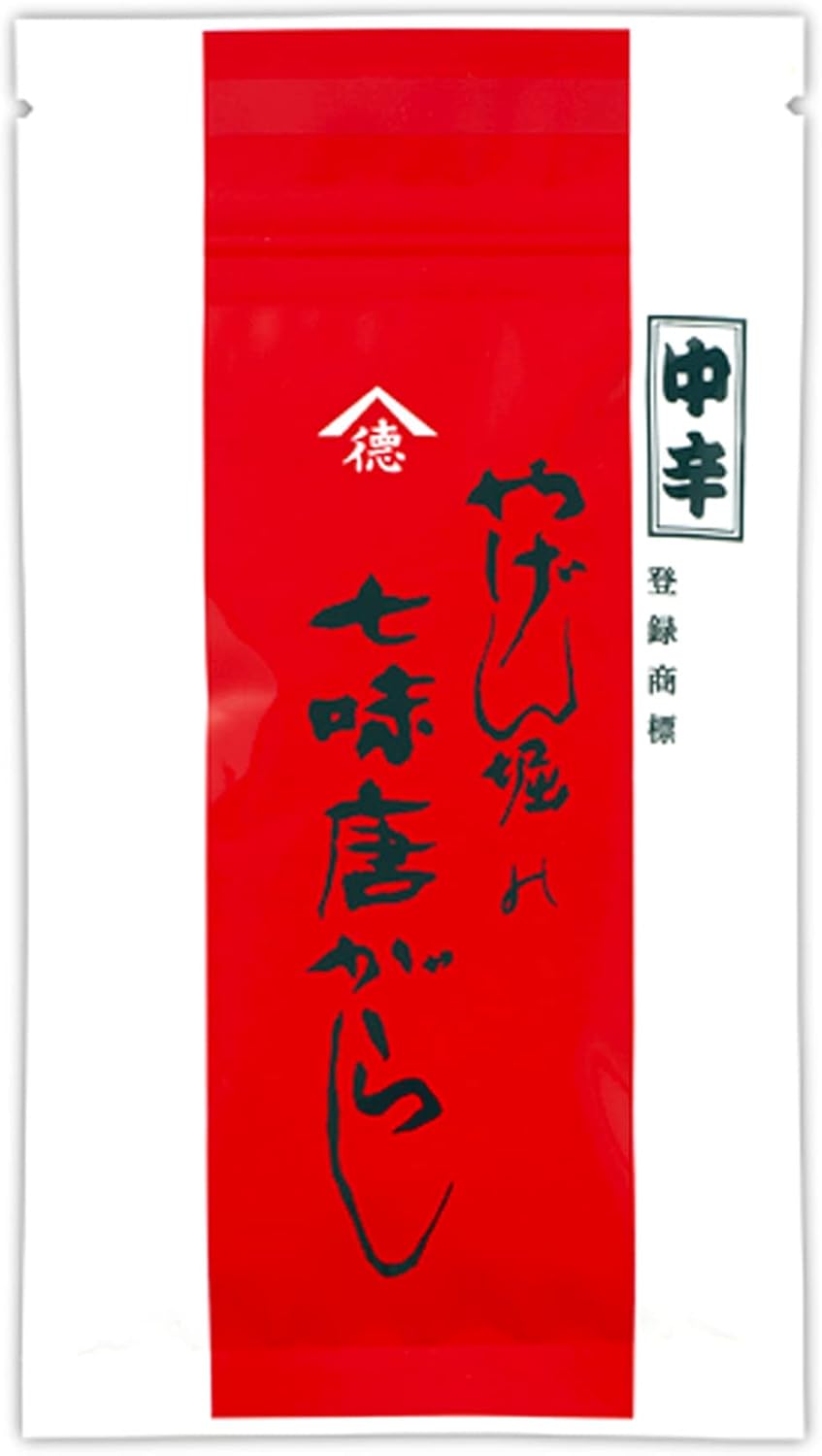
For shichimi togarashi, the Nihon Kokugo Daijiten (日本国語大辞典, Unabridged Dictionary of the Japanese Language) says it began when Tokuemon Nakajima (中島徳右衛門) put it on sale at Yagenbori (薬研堀) in Ryogoku, Edo, in Kan'ei 2 (1625). The Sekai Daihyakka Jiten (World Encyclopedia), on the other hand, sees the "seven-color chili" (nanairo togarashi, 七色唐辛子) spreading in Edo around the An'ei to Tenmei eras (1772-89), so the dates differ from one dictionary to another. The chili pepper at its center is a foreign crop brought by Nanban ships (南蛮船) in the 16th century, so, strictly speaking, it is a spice blended in Edo from an imported ingredient. The story of Yagenbori is collected in Where Was Shichimi Togarashi Born? Yagenbori in Edo.
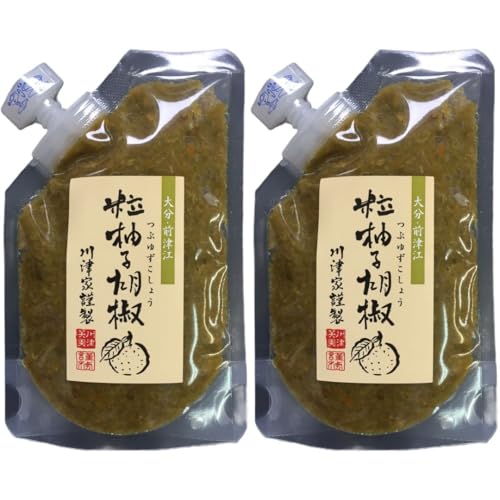
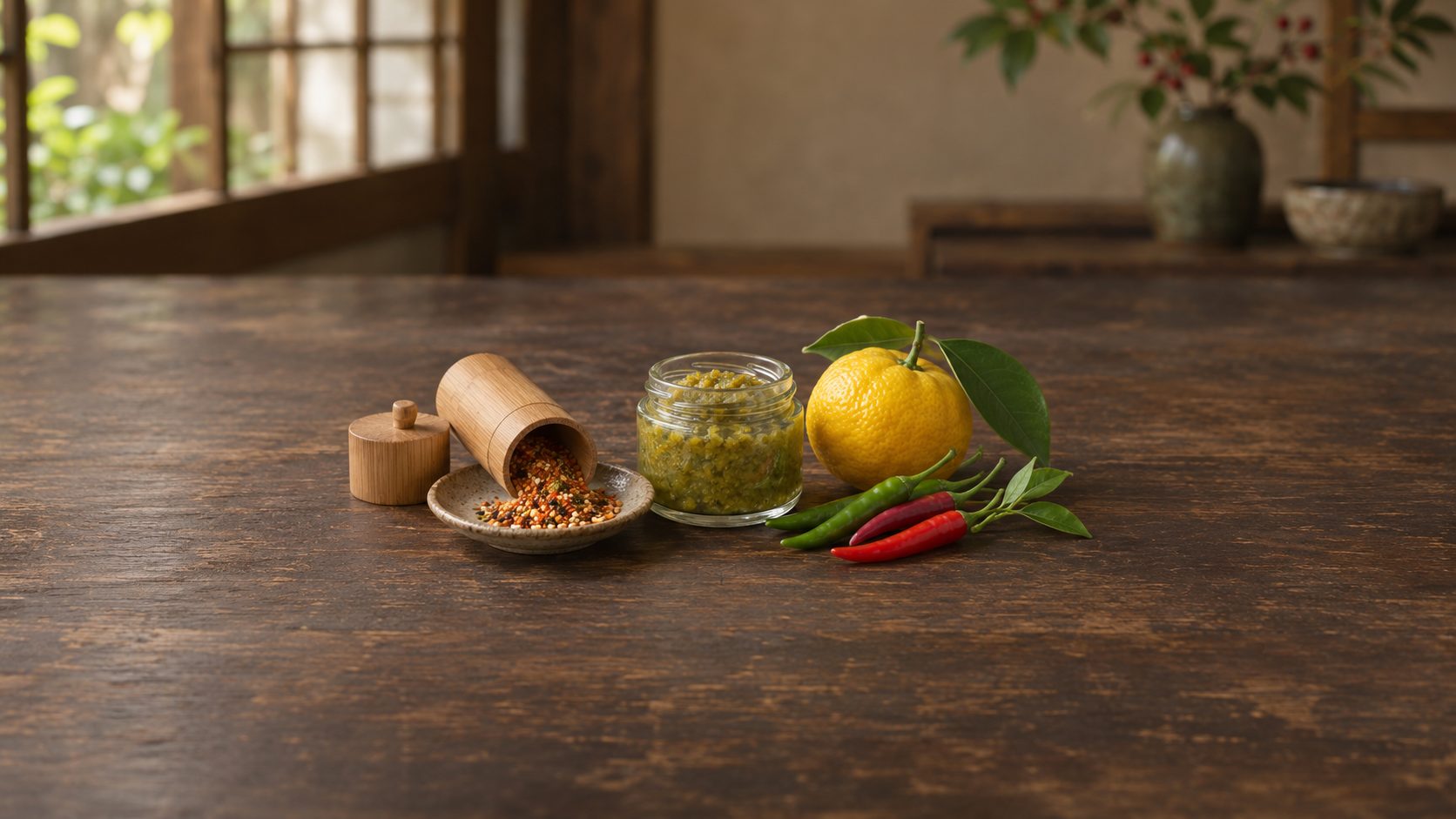
Yuzu kosho is said to have been born in Kyushu. The Ministry of Agriculture, Forestry and Fisheries' "Uchi no Kyodo Ryori" (うちの郷土料理) says accounts of its birthplace differ and names the area around Mt. Hikosan (英彦山) in Fukuoka Prefecture, while reference works write that Hita (日田) City in Oita Prefecture is said to be where it began. The "kosho" (literally "pepper") in the name is the word for chili in Kyushu. I have found no description pointing to a continental origin, but when it was first made is not known either. The difference between the coarse grain of Hita and the green of Miyazaki is written up in a yuzu kosho comparison.
Katsuobushi belongs in a slightly different spot. The Yoro Code (養老律令) of 718 lists katauo (堅魚) as an item of tribute to the imperial court, and the form "katsuhobushi" (かつほぶし) first appears in the Tanegashima-ke Fu (種子島家譜) of 1513. Something close to today's katsuobushi is said to have come to be made in the Edo period. I could not confirm any source that states outright that it began in Japan, so I list it as a seasoning that appears early in Japanese records. The difference in how it is made is covered in Honkarebushi vs Hanakatsuo.
Seasonings that came from the continent and took shape in Japan
The Nihon Daihyakka Zensho (Nipponica) explains shoyu as a development in Japan of bean-based hishio (豆醤) and similar products brought from China and Korea. The characters for shoyu (醤油) first appear in the Ekirin-bon Setsuyoshu (易林本節用集) of 1597, and koikuchi shoyu is said to have developed from tamari shoyu around the middle of the Edo period. The Yuasa (湯浅) tale, that shoyu was born from the drippings at the bottom of a miso barrel in the Kamakura period, is a story passed down as a local tradition (the Yuasa story).
Miso, too, has its origin in the Chinese jiang (醬) and shi (豉). On top of that, the Sekai Daihyakka Jiten writes that rice miso and barley miso, made by adding rice koji or barley koji, arose independently in Japan. The first example of misho (未醤), the forerunner of miso, is in the Suruga Province tax ledger (駿河国正税帳) of 738.
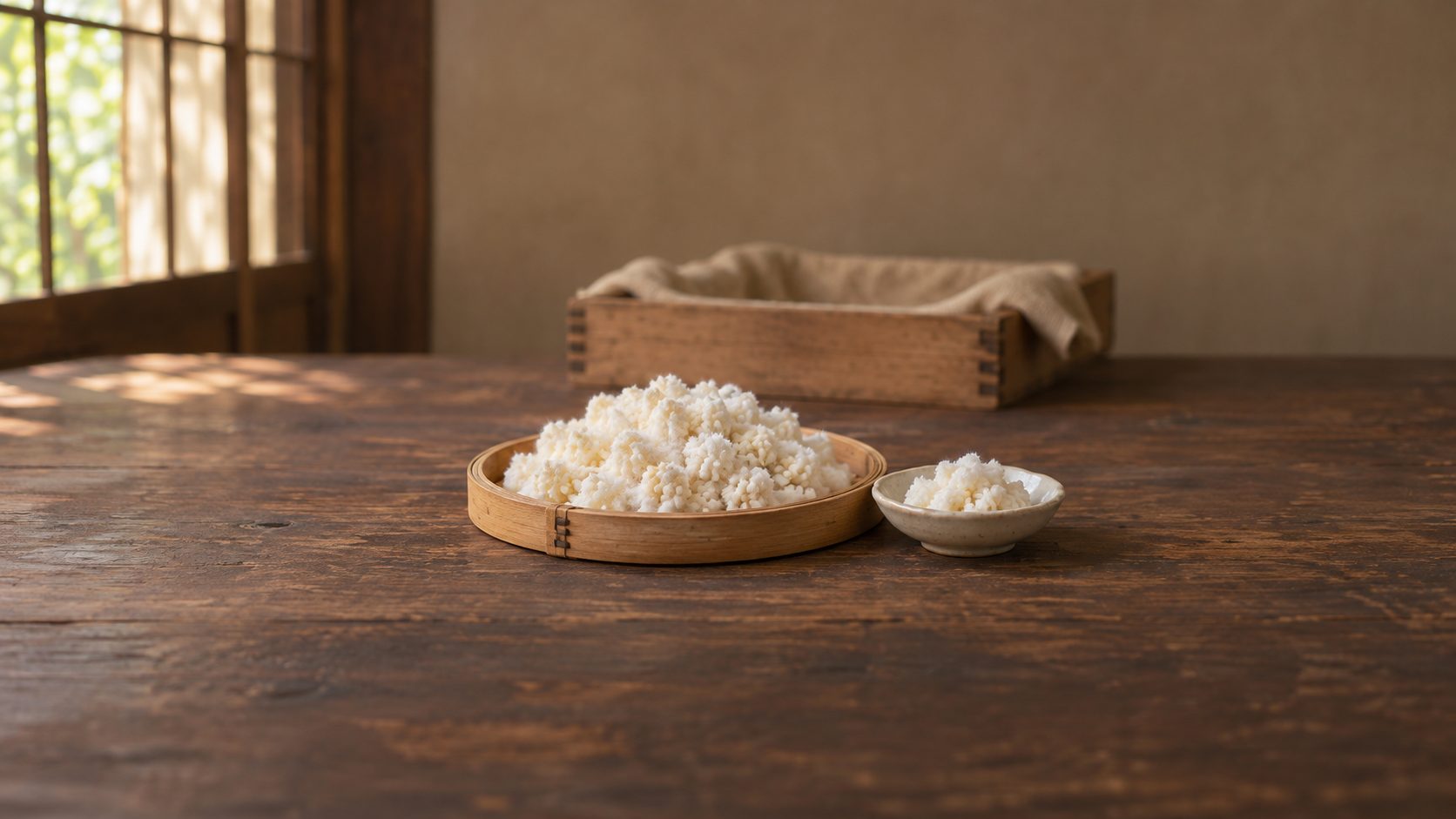
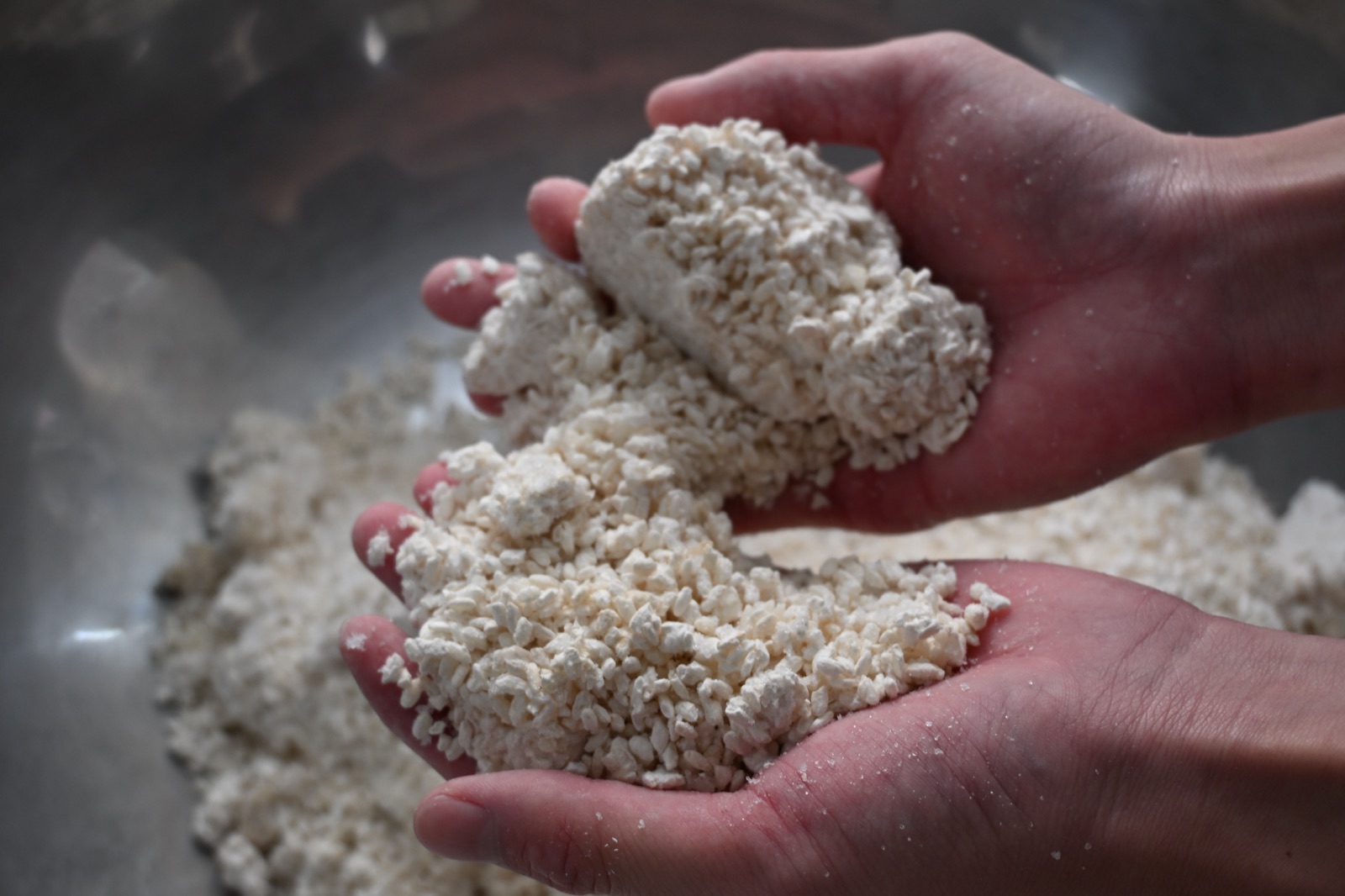
According to the Ministry of Agriculture, Forestry and Fisheries, koji is said to have come in from China. China makes koji from wheat and soybeans, but in Japan, where rice farming is widespread, it came to be made from rice. In 2006 the Brewing Society of Japan designated koji mold as Japan's national fungus (kokkin). Kokkin is a designation as a fungus that represents the country. It does not mean a fungus that was born in Japan. Types of koji are compared in Fresh Koji vs Dried Koji.
Seasonings whose origins are hard to pin down
Mirin appears in surviving documents in the Sengoku and Azuchi-Momoyama periods, and the National Tax Agency's material gives the entry 密林酒 in the Sotan Nikki (宗湛日記, 1586 to 1592) as the first example. One theory holds that it came from China, and another that it was born in Japan by adding shochu to nerizake (練酒) or shirozake (白酒). There is also a view that the Chinese 蜜林 reached Japan and turned into the Japanese method of adding shochu. How to choose hon-mirin (brewed mirin) is sorted out in Mirin-Style Seasoning vs Hon-Mirin.
The "pon" in ponzu is said to come from the Dutch word pons, and the term refers to the juice of daidai (bitter orange) or sudachi with vinegar added. But I have found no source showing when or by whom it began to be made as a seasoning in Japan. The ponzu of Umajimura can be read about in the ponzu of the yuzu village.
How to answer when a friend asks
If you answer, "What is said to have been born in Japan are shichimi togarashi and yuzu kosho. Shoyu and miso came from the continent and turned into something different with Japan's ingredients and climate," it does not contradict the dictionaries. If you are asked about dates, add that shichimi has a 1625 theory and an 18th-century theory.
With a product whose place of origin is known, you can use this story at the table.
- Shichimi togarashi: the shichimi of Yagenbori Nakajima Shoten, said to have been founded in Kan'ei 2 (1625). The chili used is foreign, and the blending is Edo's craft
- Yuzu kosho: "Kawazu-ke Kinsei" (川津家謹製), made in Maetsue (前津江), Hita, Oita. The texture of chopped yuzu peel is still there
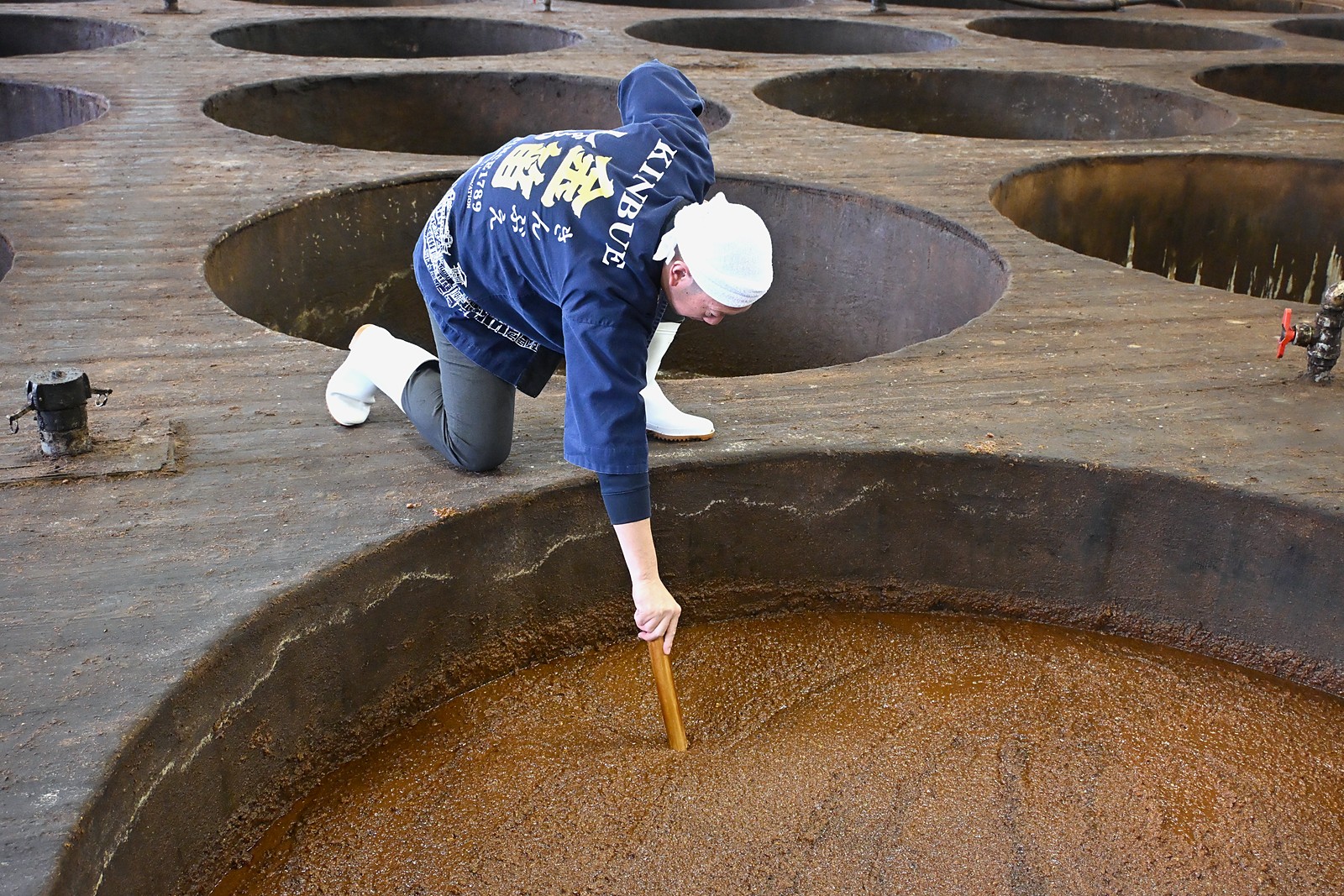
- Shoyu: kioke-brewed shoyu from Yuasa. In its koikuchi taste you can find the path that runs on from the continent's hishio
For the other types too, see Japanese Seasonings: A Guide by Type and Prefecture.
Frequently asked questions
Which seasonings were born in Japan?
Shichimi togarashi is said to have been born in Yagenbori in Edo, and yuzu kosho in Kyushu. The Nihon Kokugo Daijiten gives the start of shichimi as Kan'ei 2 (1625), and Ministry of Agriculture, Forestry and Fisheries material names the area around Mt. Hikosan (英彦山) in Fukuoka Prefecture as the birthplace of yuzu kosho. Accounts differ on the birthplace of both.
Is shoyu a seasoning born in Japan?
We cannot say for certain that it began in Japan. Its forerunner, hishio (醤), is thought to have come from China and Korea, and the name hishio already appears in the Taiho Code (大宝律令) of 701. Koikuchi shoyu is said to have developed from tamari shoyu around the middle of the Edo period, and its present form took shape in Japan.
If I want to buy a seasoning that began in Japan, which should I choose?
Products from places tied to the origin are the easiest to choose. A product whose place and maker are known lets you tell the story of its origin as you use it. Examples are Yagenbori Shichimi Togarashi (やげん堀 七味唐辛子) of Asakusa, said to have been founded in Kan'ei 2 (1625), and the coarse-grain Kawazu Tsubu Yuzu Kosho (川津家謹製 粒柚子胡椒) of Hita, Oita.