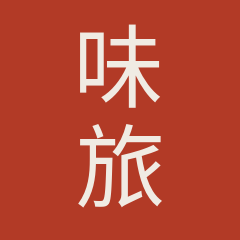
On the ingredient list of amazake (sweet fermented rice drink), some labels write "rice koji" with one character and others write it with another. Both are read "koji". In its October 2020 newsletter, the Nagano Prefecture Agricultural Experiment Station took up the difference between the two kanji.
One kanji from China, one made in Japan
The kanji (麹) came from China, and it is used for rice koji, barley koji and bean koji, whatever the grain.
The kanji (糀) is a character made in Japan, and it is used only for rice koji. Koji made from barley or beans is not written with it.
How a character with the rice radical and a flower came to be
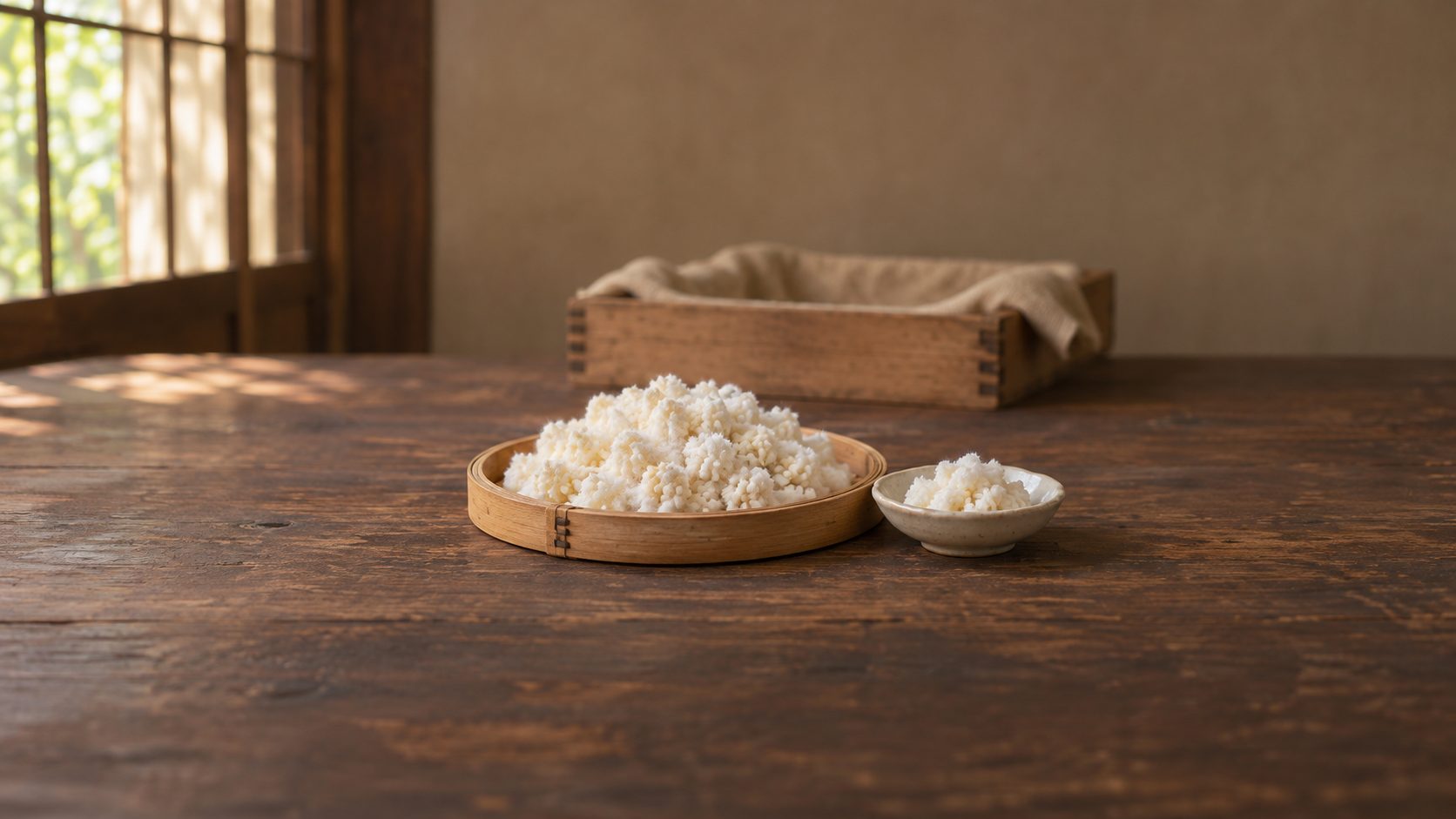
The kanji (糀) joins the rice radical and the character for flower (花). It is said to have been made because rice grains overgrown with koji mold look as if they have bloomed.
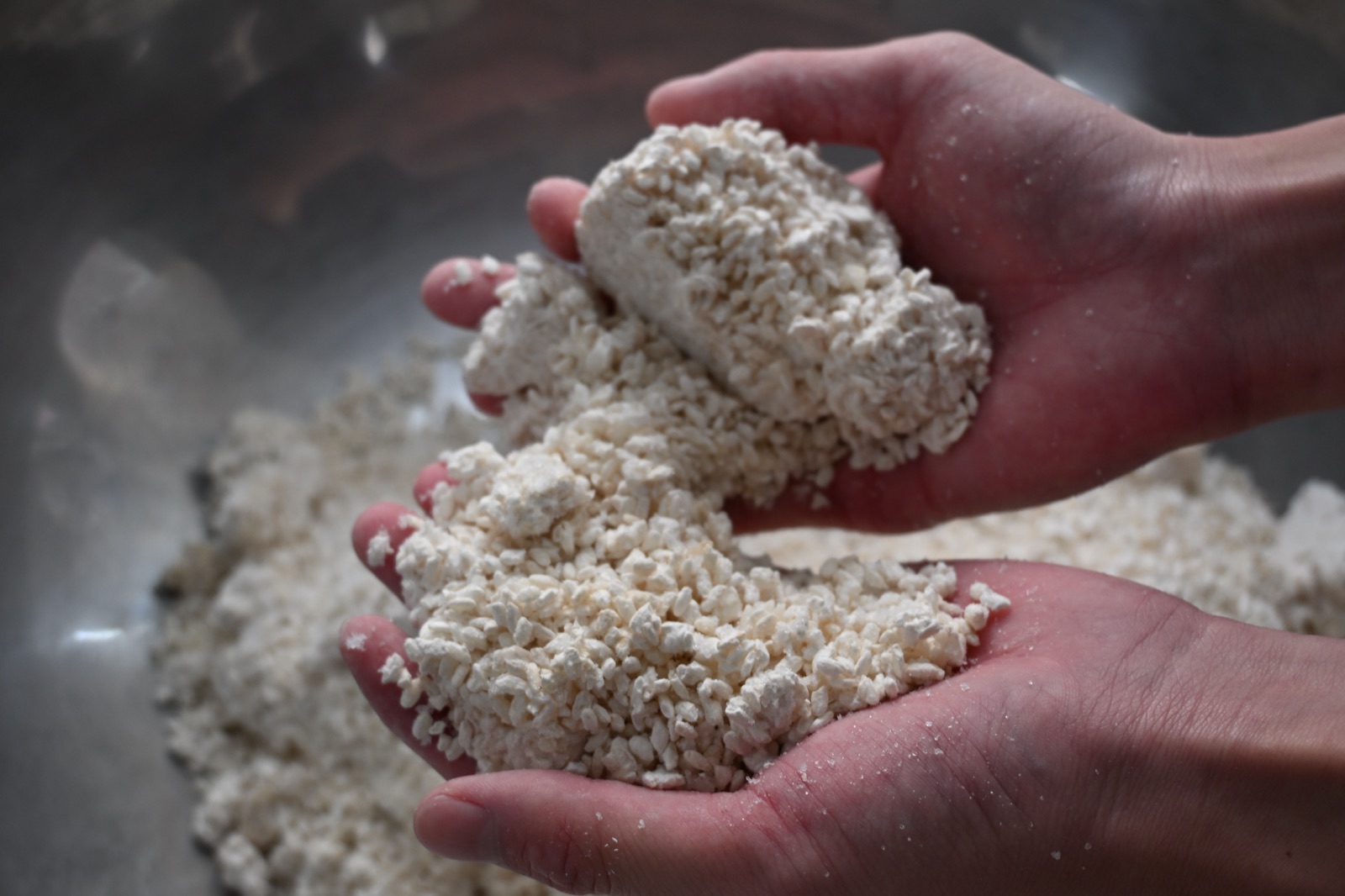
When koji mold is grown on steamed rice, its mycelium spreads out from the surface of each grain until the whole mass is covered in white. The character is an explanation that likens that white to a flower.
Labels that split between amazake and sake
Even when the same rice koji goes in, labels do not agree. According to the experiment station document, amazake is written as rice koji with either character or in kana, and sake as rice koji with the kanji (麹) or in kana.
The document gives an example: the ingredient list of an amazake made by a sake maker says rice koji with the kanji (麹), while an amazake made by a miso maker uses the kanji (糀). On sake labels, the kanji (糀) is rarely seen.
The author of the document finds this pairing odd. Breweries that make sake from rice use the kanji (麹), which contains the wheat radical (麦饒, bakunyo), while some miso makers, who also make barley miso and bean miso besides rice miso, use the kanji (糀), which contains the rice radical. The author adds a guess: perhaps when the kanji (麹) was first made in China, koji meant only koji made from barley.
Shop and product names follow the shop's choice
Among the shops we have visited, the characters differ.
- Sakurai Koji-ten in Chiba City, founded in 1760, uses the kanji (麹) in its name.
- Kojiya in Ise, Mie Prefecture, a tamari maker founded in 1816 (Bunka 13), uses the kanji (糀) in its name. (Tamari vs Koikuchi Shoyu)
- Yamato Shoyu Miso in Ono, Kanazawa, Ishikawa Prefecture, founded in 1911 (Meiji 44), sells a "Shoyu Koji" that combines shoyu with rice koji from domestic rice, written with the kanji (糀). (Shoyu Koji vs Shio Koji)
The character a shop chooses for its name or product is the official spelling. When you write the name, keep it as the shop writes it.
Choosing what to write and what to buy
If you mean only rice koji, either kanji is correct. If you also mean barley or bean koji, only the kanji (麹) works. The document sets no rule for choosing between them, so when in doubt, the kanji (麹), which fits any grain, will do.
When buying, what to look at is the grain, rice, barley or bean, and whether it is fresh or dried. That changes how you use it and how it turns out. (Fresh Koji vs Dried Koji)
The work is the same whichever character is used. Koji is koji mold grown on steamed rice or barley, and its enzymes turn starch into sugar and protein into savor. Many fermented seasonings, starting with miso and shoyu, are made with this koji.
Source: Nagano Prefecture Agricultural Experiment Station, "Koji, Koji, Koji" (the station's newsletter, October 2020)
Frequently asked questions
What is the difference between the two kanji for koji?
The kanji (麹) came from China and is used for rice, barley and bean koji, whatever the grain. The kanji (糀) was made in Japan and is used only for rice koji. Both are read "koji" and point to the same thing (Nagano Prefecture Agricultural Experiment Station, October 2020).
Is the kanji (糀) ever used for koji made from something other than rice?
According to the Nagano Prefecture Agricultural Experiment Station document, the kanji (糀) is used only for rice koji. Barley koji and bean koji are written with the kanji (麹).
Which spelling should I look for when buying koji?
You do not need to choose by spelling. What to look at is the grain (rice, barley or bean) and whether it is fresh or dried. Labels on amazake show both spellings, with a sake maker writing rice koji one way and a miso maker the other, and the koji inside is the same rice koji.