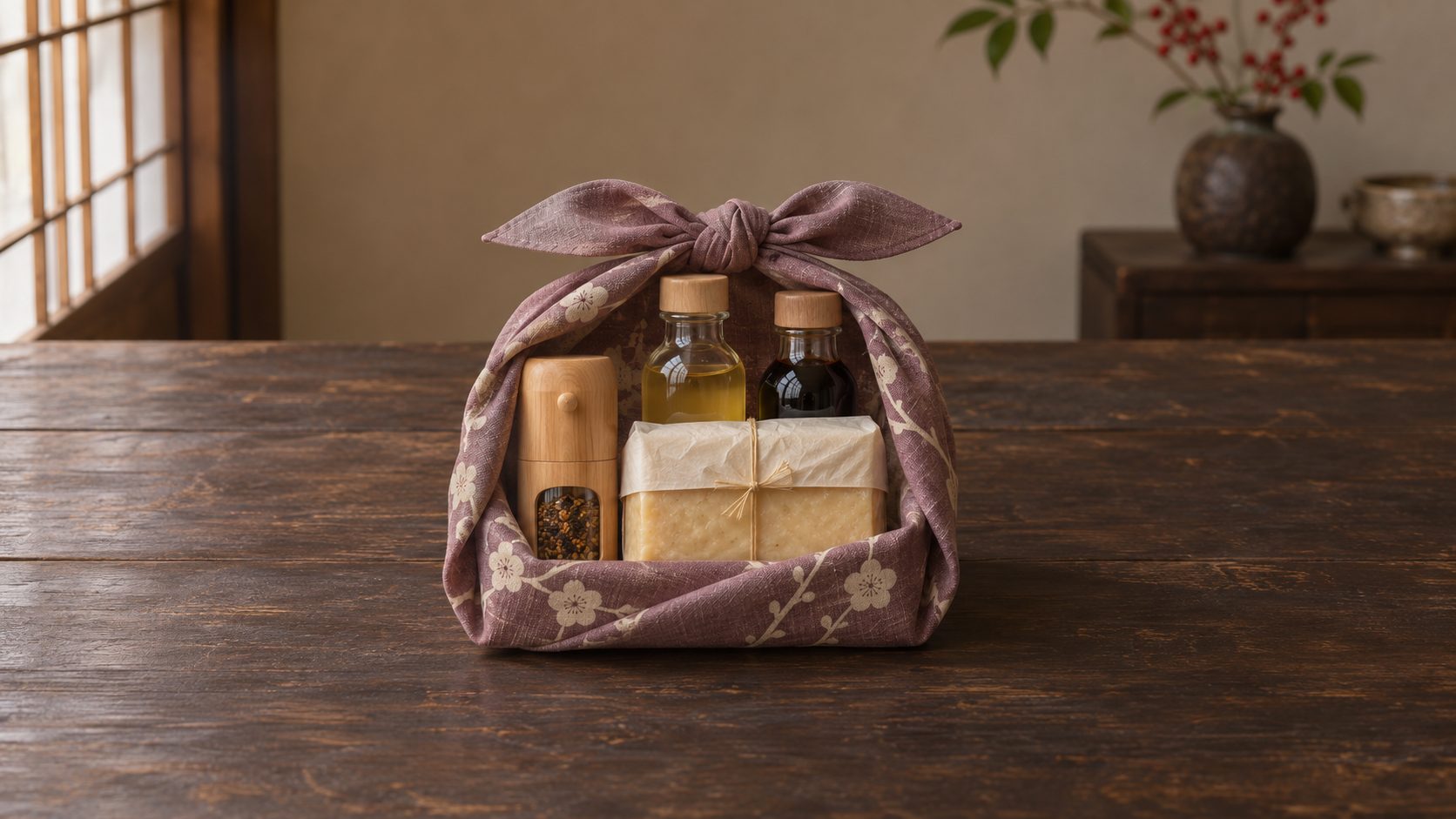
When people think of Kyoto gifts, sweets and pickles usually come to mind first. If you choose a seasoning, pick a bottle a Kyoto shop has made for a long time and ask whether the person you are giving it to could use it in tomorrow's cooking. You will rarely go wrong. Sweets disappear once they are eaten, but a seasoning stays in the kitchen and brings back the trip every time it is used.
This page picks five seasonings that suit a Kyoto gift, and sets out for each one who makes it and where, how to use it, and who will be glad to receive it.
Kyoto's seasonings, town by town
Even within the same prefecture, Kyoto's seasonings come from different towns. Here are the five, with where each one is made.
- Gion: kuro shichimi (Hara Ryokaku)
- Nishijin: sushi vinegar (Hayashi Koutarou Zousu)
- Toji: sauce (Tsubame Foods)
- Miyazu: rice vinegar (Iio Jozo)
- Miso with ties to the Kyoto Imperial Palace: Saikyo Miso
The names of the towns you walked through become the introduction to the product, which gives you something to talk about when you hand it over.
Five Kyoto seasonings worth bringing home
Here are the five bottles at a glance. Prices are those listed on this site and vary by shop.
| Product | Maker / place | Type | Size and price | Who it suits |
|---|---|---|---|---|
| Hara Ryokaku Kuro Shichimi | Hara Ryokaku / Gion | Shichimi | 5g in a wooden tube, 1,849 yen | Someone you want to honor, people who cook |
| Saikyo Miso Saikyo Shiro Miso Josen | Saikyo Miso / Kyoto | Shiro miso (white miso) | 500g, 950 yen | Family, friends who cook |
| Iio Jozo Junmai Fujisu | Iio Jozo / Miyazu | Rice vinegar | 360ml, 1,031 yen | People who cook |
| Koutarou no Su Kyo-style Sushi Vinegar | Hayashi Koutarou Zousu / Nishijin | Sushi vinegar | 360ml, 929 yen | Family, people who make chirashi-zushi |
| Tsubame Sauce 5-Kind Assortment | Tsubame Foods / Toji | Sauce | 500ml x 5 bottles, 3,101 yen | A family that loves sauce |
1. Hara Ryokaku Kuro Shichimi: the scent of Gion, in a 5g wooden tube
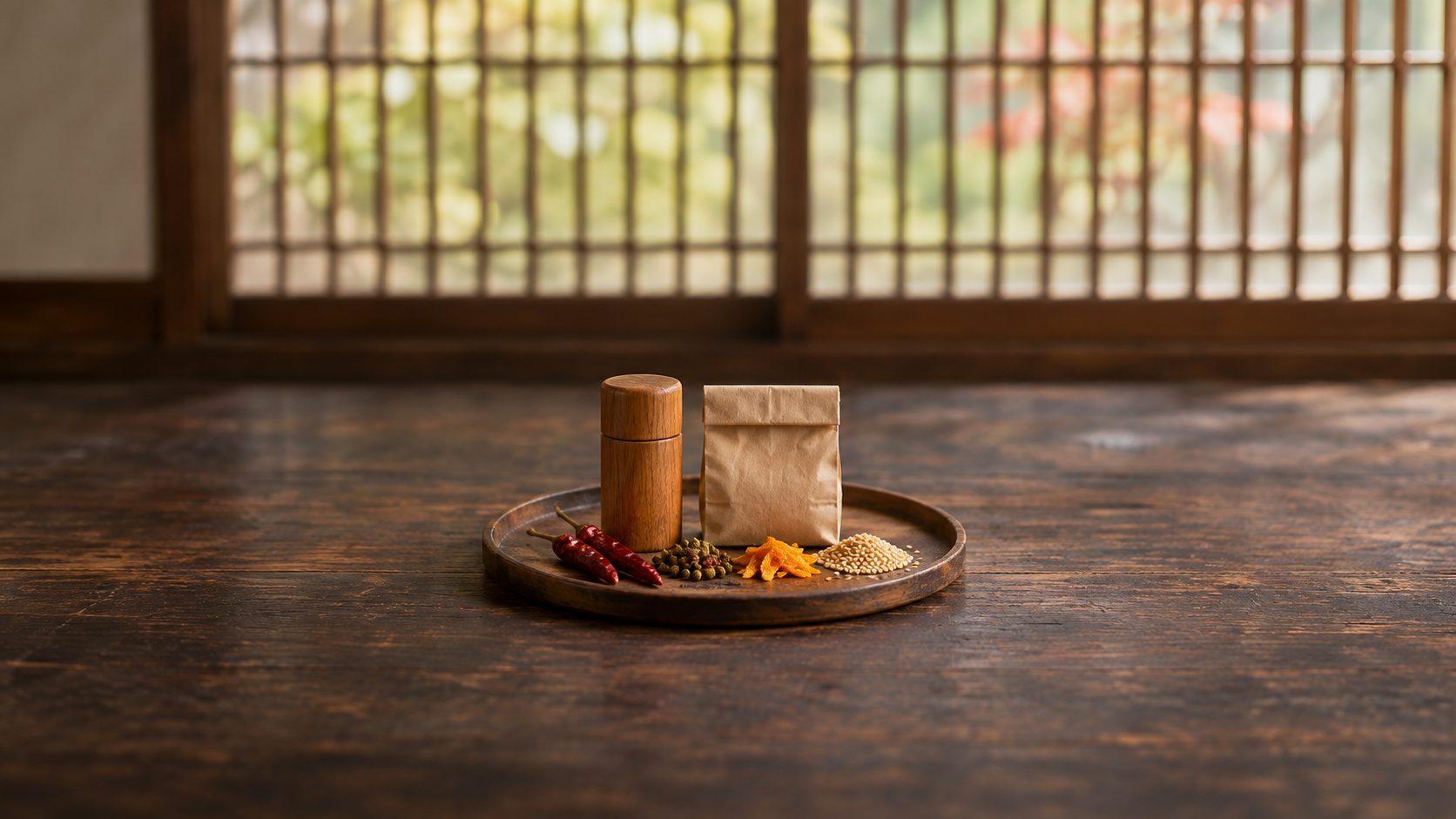
Hara Ryokaku is a long-established maker of kosen (香煎), a roasted-grain powder, that opened its shop in Gion, Kyoto, in the Genroku era. Over more than 300 years, a craft passed down from one heir to one heir has produced "kuro shichimi," or black shichimi.
Ingredients such as white sesame, sansho (Japanese pepper) and chilli are roasted carefully and rubbed in. Repeat this process and the shichimi takes on a moist black color and a toasty scent. It is not a shichimi that pushes heat forward. It is a shichimi to enjoy for its scent.
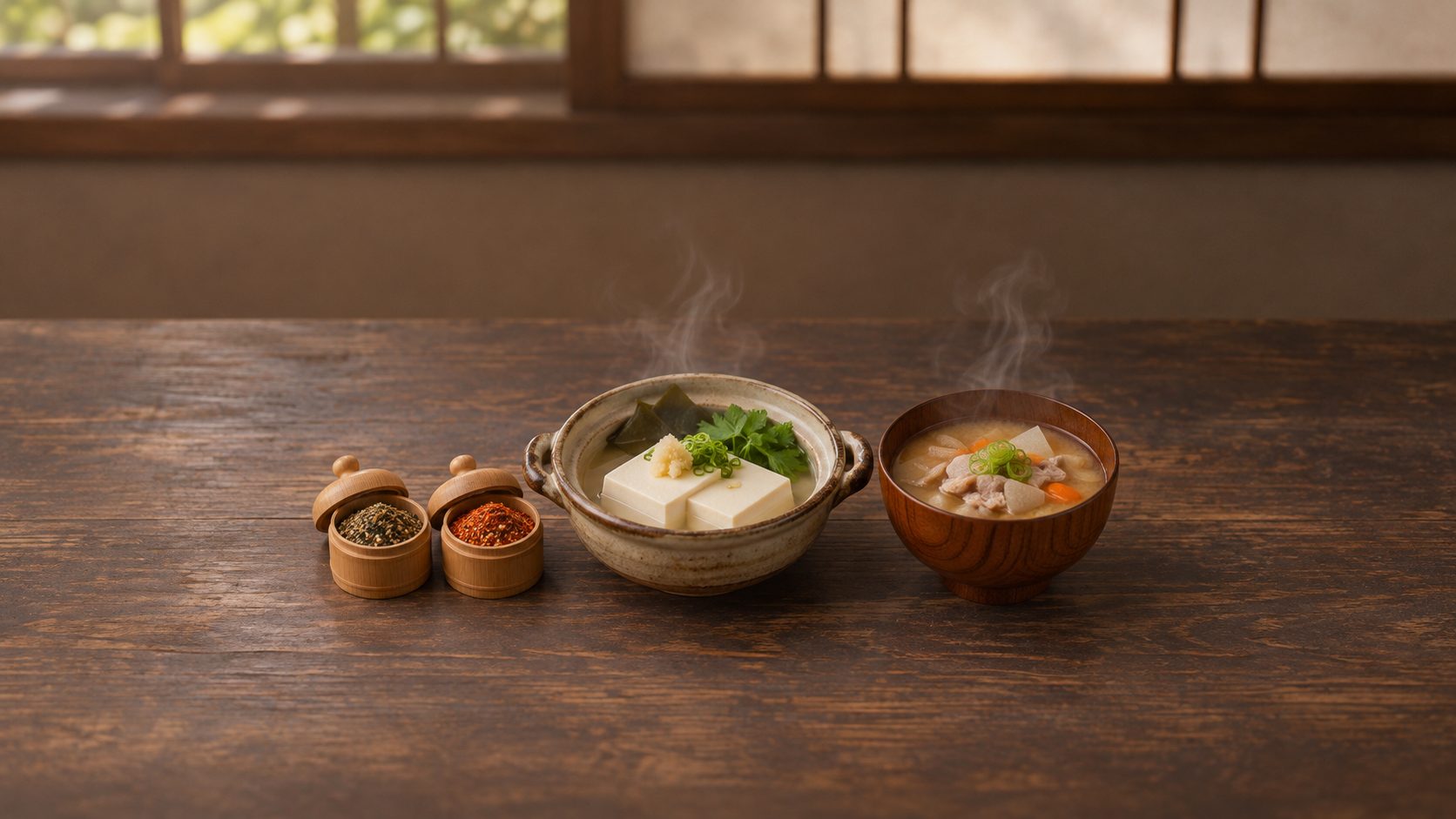
The basic way to use it is a small sprinkle over udon, soba or yudofu (simmered tofu), and it also suits yakitori, tempura and a finishing touch on miso soup. The scent fades quickly, so sprinkle it just before you eat. At 5g in a wooden tube it is light and takes no room in your luggage, which makes it an easy bottle to give to someone you want to honor, or to someone who has looked after you.
For how shichimi differ, see how kuro shichimi differs from shichimi, and for shops in Kyoto where you can buy it, see where to buy shichimi in Kyoto.

Featured in this article
Hara Ryokaku Kuro Shichimi (原了郭 黒七味)
Hara Ryokaku (Gion, Kyoto) / 5g in a wooden tube
PRContains an Amazon Associates link. Check price and availability on the Amazon product page.
2. Saikyo Miso Saikyo Shiro Miso Josen: the white miso that served the Imperial Palace
Saikyo Miso, founded in 1830, is a white miso maker that descends from a line serving the Kyoto Imperial Palace. It is also the shop that gave "Saikyo miso" its name.
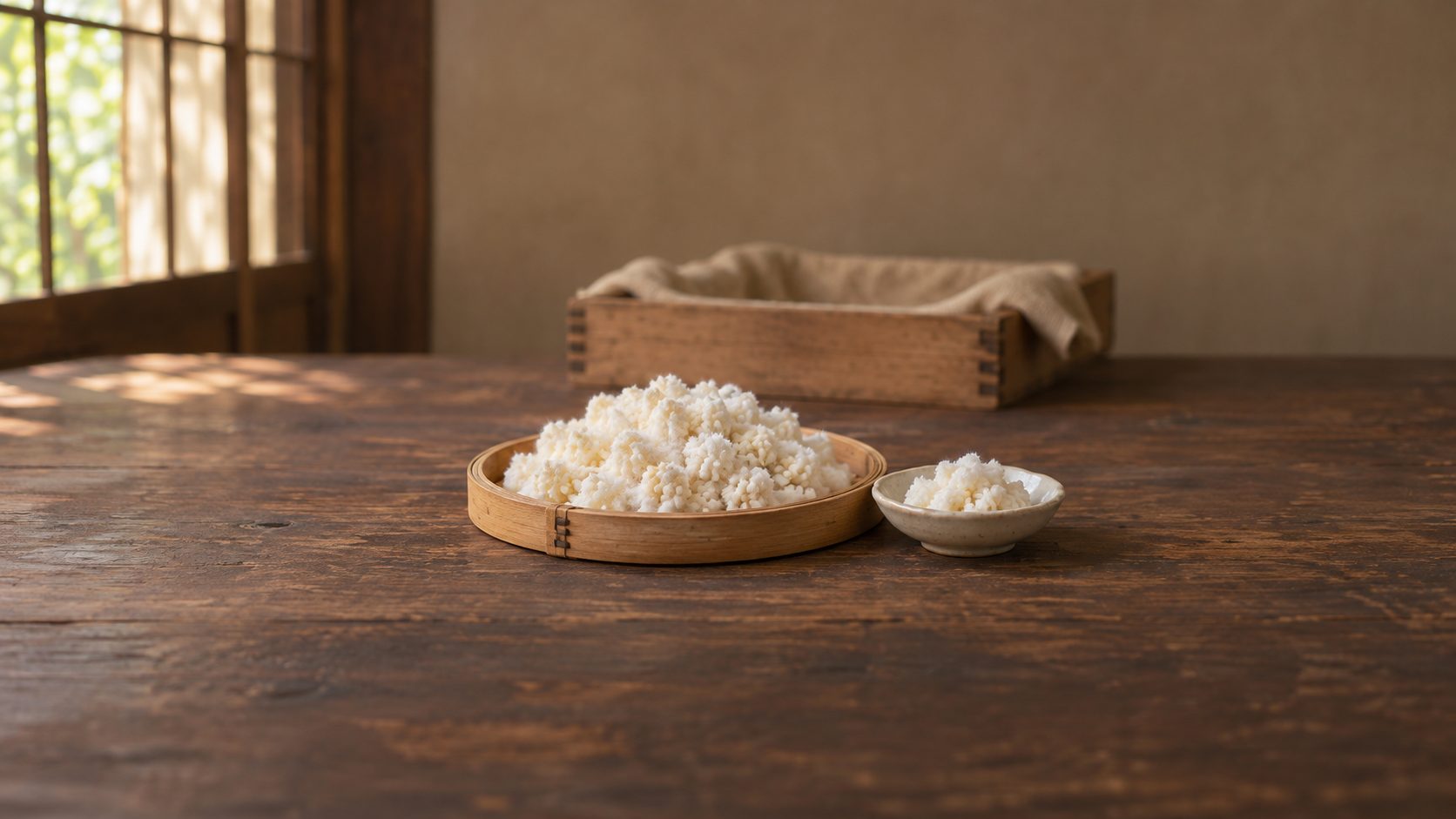
What sets it apart is the amount of koji (rice fermentation starter). It is brewed with about twice as much koji as soybeans, so it is sweet to the degree that the koji has turned the starch of the rice into sugar. The salt content is about 5%, less than half that of ordinary miso. It is a short-aged "wakamiso" (young miso), which gives it a refined sweetness and a silky smooth texture.
Use it for saikyo-zuke, where black cod, Spanish mackerel or chicken is marinated in the miso, for Kyoto-style white miso zoni, and for su-miso-ae (a dressing of miso and vinegar). Mixed with butter or soy milk, it also makes a Western-style hidden flavor. At 950 yen for 500g it is easy to pick up, and it is an easy gift for family or for friends who cook.
For how white miso differs from ordinary miso, see Saikyo miso vs. white miso.
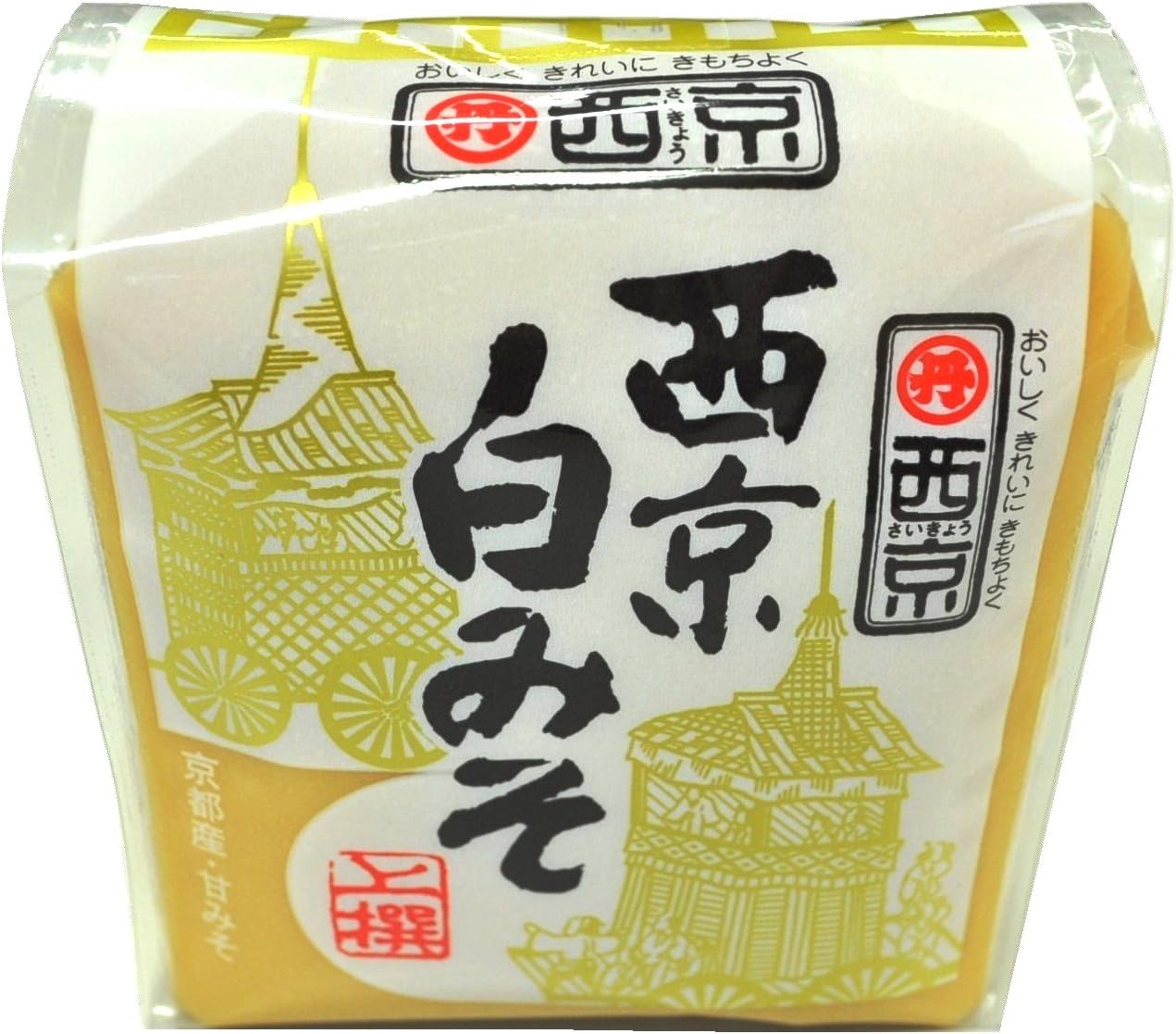
Featured in this article
Saikyo Shiro Miso Josen (西京味噌 西京白みそ 上撰)
Saikyo Miso (Kyoto) / 500g
PRContains an Amazon Associates link. Check price and availability on the Amazon product page.
3. Iio Jozo Junmai Fujisu: vinegar made from the paddy, in the town of Amanohashidate
Iio Jozo is a vinegar maker in Miyazu, looking out on Amanohashidate, that has made nothing but vinegar since 1893. What sets this brewery apart is that its vinegar starts in the paddy. Since 1964 it has grown rice without pesticides on local terraced fields together with farmers, and it uses only that new-crop rice.
It uses about 200g of rice per 1L of vinegar, 5 times the minimum amount set by the JAS standard. The brewing follows the old static fermentation method: about 80 to 120 days of fermenting, then about 300 days more of aging. Because it uses this much rice and ages it for so long after fermentation, the acidity is mellow with no sting, and the savor of the rice runs deep.
Use it in sunomono (vinegared dishes), sushi rice and nanban-zuke (fried fish pickled in vinegar). It is mellow enough to finish sweet-and-sour pork or stir-fries too. It has no additives and comes in 360ml for 1,031 yen. It is a bottle that suits a gift for someone who cooks every day.
For how to choose, see why rice vinegars cost so differently.
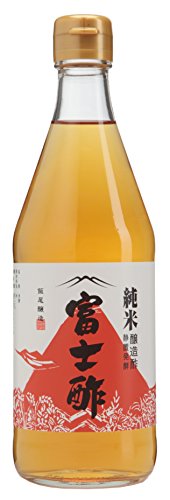
Featured in this article
Iio Jozo Junmai Fujisu Rice Vinegar (飯尾醸造 純米富士酢)
Iio Jozo (Miyazu, Kyoto) / 360ml
PRContains an Amazon Associates link. Check price and availability on the Amazon product page.
4. Koutarou no Su Kyo-style Sushi Vinegar: sushi rice by simply mixing, from a Nishijin vinegar shop
Hayashi Koutarou Zousu (林孝太郎造酢) is a vinegar shop on Shinmachi-dori Teranouchi in Kamigyo ward, in Nishijin, Kyoto, and it has made vinegar for more than 170 years. It originally made vinegar for Kyoto's restaurants and sushi shops, and this Kyo-style sushi vinegar grew out of that. It is still the shop's best seller.
It blends rice vinegar with sake-lees vinegar and apple vinegar, then seasons it with sugar, salt and kombu, with no additives. Mix it into freshly cooked rice and you have sushi rice, so you can use it on the day you make chirashi-zushi, temaki-zushi (hand-rolled sushi) or inari-zushi. Pickle turnips or daikon in it and you get amazu-zuke (sweet vinegar pickles) as well.
The shop's basic rice vinegar is brewed from Kyoto water and domestic rice and aged for six months to a year. It carries the shop's teaching that "vinegar should not push itself forward, but stay in the supporting role and bring out the flavor of the dish." It is 929 yen for 360ml. Give it to a family that makes chirashi-zushi and they will have no trouble finding a use for it.
The details are on our product page, Koutarou no Su Kyo-style Sushi Vinegar.
5. Tsubame Sauce 5-Kind Assortment: five bottles from a sauce maker at Toji
Tsubame Foods (ツバメ食品) is a sauce maker that began at Toji in Kyoto in 1930. Its motto is "the taste of Toji in the capital," and it has made nothing but sauce since its founding, using its long-established methods.
The five bottles in the assortment are two Worcestershire-style sauces cooked with whole spices, hot (Gold) and sweet (Bifuteki), and two thick sauces that bring out the scent and body of the spices, tonkatsu and okonomi. The fifth bottle is Ori Sauce, which only a sauce maker like this one would make. It is a very hot sauce cooked from the ori (the sediment) that settles at the bottom of the tanks where Worcestershire sauce matures. Rather than pouring it on straight, you mix a little into another sauce as a hidden flavor that adds heat and body.
You can use them by dish: tonkatsu, croquettes, okonomiyaki, yakisoba, steak and hamburger steak. At 3,101 yen for 500ml x 5 bottles, it is the most expensive of the five and a lot to carry, so it suits a gift for a family that loves sauce. For the differences between types of sauce, see okonomi sauce vs. Worcester sauce.
More is on our product page, Tsubame Sauce 5-Kind Assortment.
Choosing by person and budget: how to pick a Kyoto seasoning gift
| Who it is for | Recommended | Why |
|---|---|---|
| Someone you want to honor, or who has looked after you | Hara Ryokaku Kuro Shichimi | Light, handsome in its wooden tube, and with 300 years of history in Gion |
| Family, friends who cook | Saikyo Miso | 950 yen, and ready to use for saikyo-zuke or white miso zoni |
| Someone who cooks every day | Iio Jozo Junmai Fujisu | A vinegar made from the paddy. The difference is clear when you use it |
| A family that makes temaki-zushi or chirashi-zushi | Koutarou no Su | Mix it in and you have sushi rice |
| A family that loves sauce, or a larger gift | Tsubame Sauce assortment | Five bottles to use by dish |
When you cannot decide, choose by two points: is it light and easy to hand over, and could the person use it in tomorrow's cooking? If you are buying just one, kuro shichimi is the safest. If you are putting together two or three gifts, we recommend adding Saikyo Miso or a vinegar to the kuro shichimi.
Things to watch when carrying them home
- Vinegar and sauce are liquids and heavy. The vinegars are 360ml and the Tsubame Sauce assortment is 500ml x 5 bottles, which is a burden in your travel luggage. If the weight worries you, you can order online and have them delivered to your home.
- When you pack a liquid seasoning, wrap it in a bag in case it leaks. If you are carrying it home by plane, check beforehand how the airline you are using handles liquids.
- Kuro shichimi lives by its scent. After you get home, seal it tightly once it is open, and sprinkle it only when you use it.
- If you choose by lightness, kuro shichimi (5g) and Saikyo Miso (500g) are the two easiest to carry home.
The short version: the taste of a Kyoto kitchen, in your luggage
For a Kyoto seasoning gift, we suggest choosing to suit the person from five bottles: kuro shichimi from Gion, Saikyo Miso with ties to the Imperial Palace, two vinegars, and a sauce from Toji. Start with the light, easy-to-give kuro shichimi and Saikyo Miso, then add vinegar for someone who cooks and Tsubame Sauce for someone who loves sauce.
For more Kyoto seasonings, see the Kyoto prefecture page and Kansai seasonings.
Frequently asked questions
What seasoning should I bring home from Kyoto?
Five bottles are good candidates: kuro shichimi from Hara Ryokaku in Gion, Saikyo Miso (founded 1830), Junmai Fujisu vinegar from Iio Jozo in Miyazu, Kyo-style sushi vinegar from Hayashi Koutarou Zousu in Nishijin, and sauce from Tsubame Foods at Toji. Kuro shichimi and Saikyo Miso are light and easy to give, vinegar suits people who cook, and Tsubame Sauce suits a family that likes sauce.
Which Kyoto seasonings are light and easy to carry home?
Kuro shichimi (5g in a wooden tube) and Saikyo Miso (500g). The vinegars come in 360ml bottles and the Tsubame Sauce assortment is 5 bottles of 500ml, so liquids are bound to be heavy. If you want to travel light, you can have the liquid ones shipped to your home through an online shop instead.
How much do Kyoto seasoning gifts cost?
At the prices listed on this site, Saikyo Miso is 950 yen for 500g, Koutarou's vinegar is 929 yen for 360ml, Iio Jozo's Junmai Fujisu is 1,031 yen for 360ml, Hara Ryokaku's kuro shichimi is 1,849 yen for 5g in a wooden tube, and the Tsubame Sauce 5-bottle assortment is 3,101 yen. Prices vary by shop and by season.
Where can I buy kuro shichimi in Kyoto?
Hara Ryokaku in Gion, Shichimiya Honpo in Kiyomizu, and shops in Nishiki Market, among others. Our article "Where to Buy Shichimi in Kyoto: Four Shops in Gion, Kiyomizu and Nishiki Market, and Hararyokaku's Closure from 2027" gives their locations and hours, as far as we could confirm them on official pages.
What dishes is Saikyo Miso used for?
The classics are saikyo-zuke, fish or chicken marinated in the miso (black cod, Spanish mackerel and chicken), and Kyoto-style zoni with white miso. It also works in su-miso-ae, a dressing of miso and vinegar. Some people mix it with butter or soy milk as a Western-style hidden flavor.