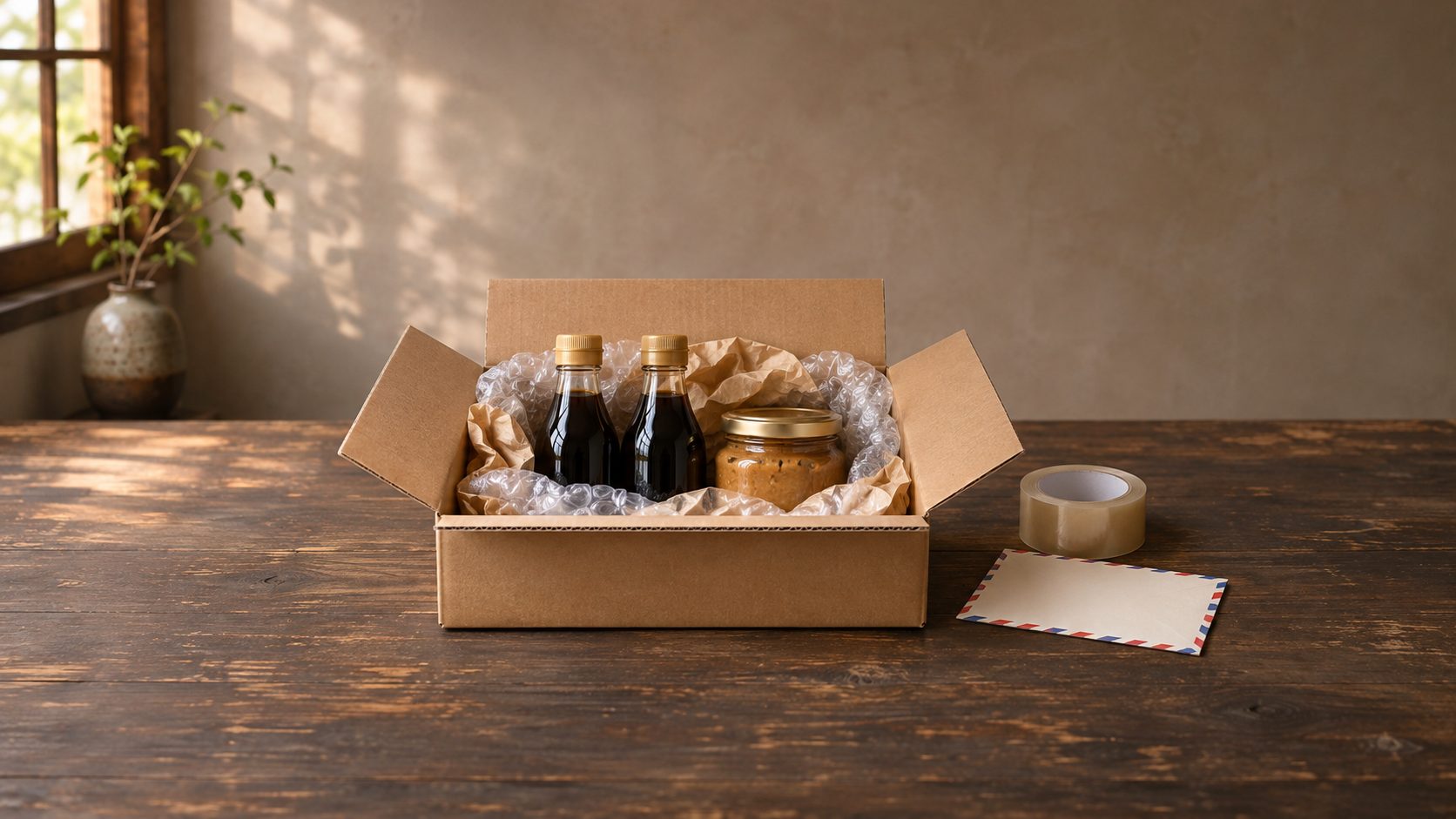
A bottle of soy sauce is the heaviest, cheapest and most replaceable thing you could carry home. The products that repay a suitcase are small, dry, concentrated and hard to find, and they happen to be the ones that raise the fewest questions at customs.
This page was written in November 2026. Sizes come from the unit printed on each product page. Rules change, so check the source before you fly. Nothing here is legal advice, and the officer at the border makes the final decision.
Why small and dry
Three reasons line up.
Weight and limits. Several destinations cap what you can bring, and the cap counts weight. Singapore allows 5kg of processed food combined, and Thailand 10kg or 10L of food in total (Singapore, Thailand). A 14g tin and a 5g tin barely register against either.
The cabin. For flights leaving Japan, the aviation security list treats soy sauce and miso as liquids and pastes, and says dried spices are not covered by the liquid restriction. A tin of shichimi does not need a checked bag (the source and the detail).
The customs table. Plain spice blends and sea salt are the least contested category in our country comparison. They are plant-based, packaged and dry.
Seven that travel well
Sizes are the units on the product pages.
| Product | Maker and place | Size | What it is |
|---|---|---|---|
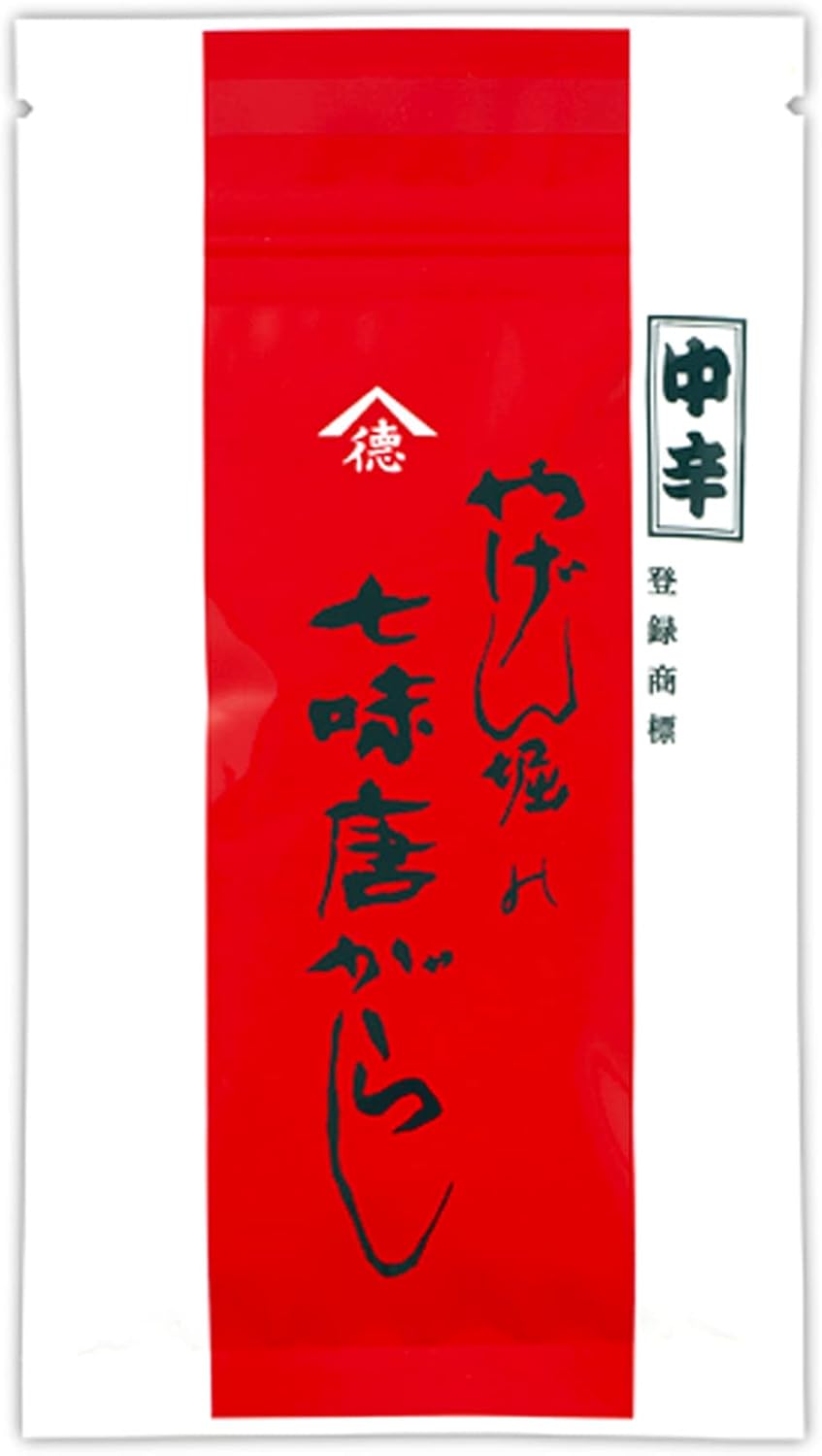
| Yagenbori Shichimi Togarashi | Yagenbori Nakajima Shoten, Asakusa, Tokyo | Medium-hot, bag | Founded in 1625, and the maker still blends to a customer's taste in the shop |
| Yawataya Isogoro Shichimi and Yuzu Shichimi | Yawataya Isogoro, Nagano | 14g, two tins | Founded in 1736 at the Zenkoji temple gate, counted among the three great shichimi of Japan |
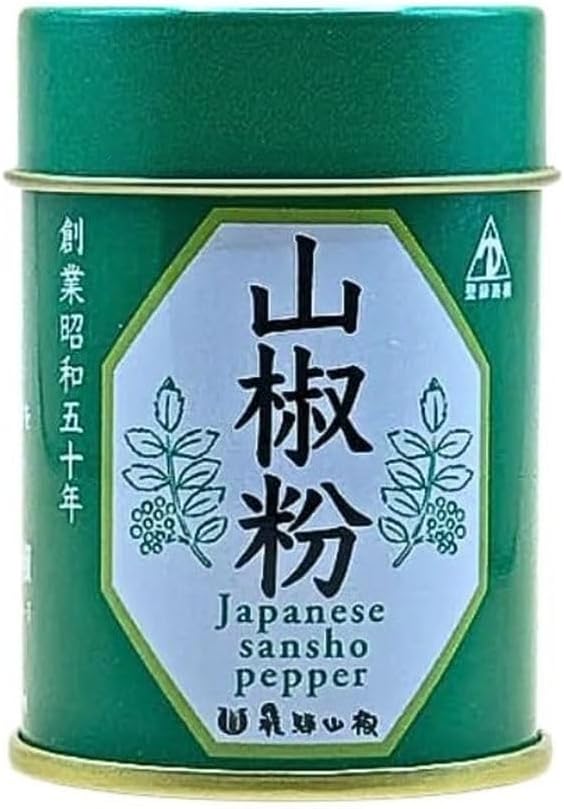
| Hida Sansho Pepper | Hida Sansho, Okuhida, Gifu | 5g | Additive-free sansho powder from highland-grown pepper |
| Hararyokaku Black Shichimi | Hararyokaku, Gion, Kyoto | 5g, wooden tube | Roasted and rubbed over repeated passes, with a scent more than heat |
| Kanzuri Fermented Chilli Paste | Kanzuri, Myoko, Niigata | 47g | Chillies exposed to snow, then fermented for three years or more with koji, yuzu and salt |
| Okunoto Agehama Salt | Okunoto Shiotamura, Suzu, Ishikawa | 50g, three packs | Agehama salt, made by a method that survives in one place in Japan and is a designated national cultural property |
| Heisei Ago Dashi Pack | Heisei, Sakaiminato, Tottori | 8g, 30 packs | A tea-bag style dashi of grilled flying fish, dried bonito, kelp and shiitake |
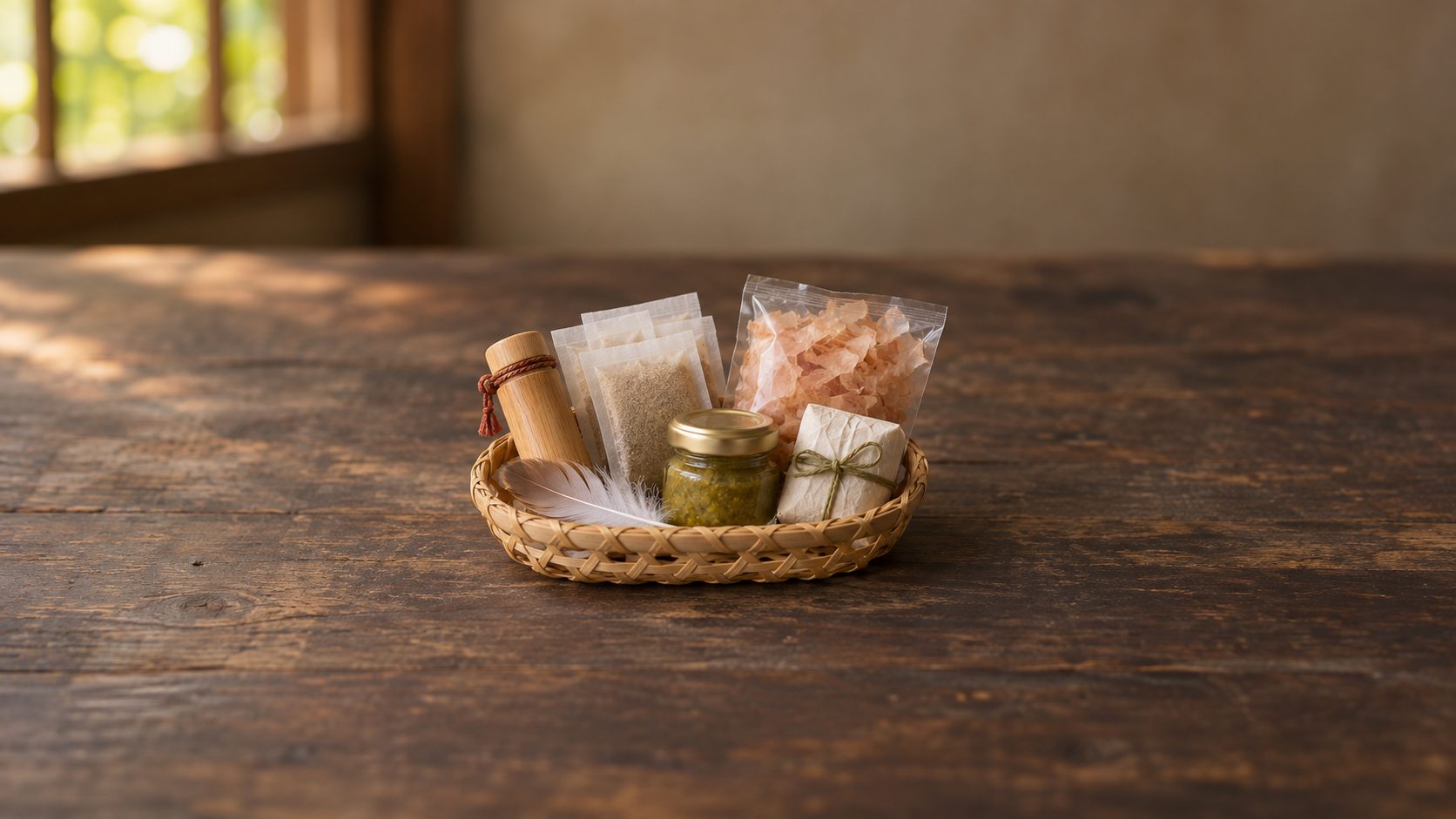
The four peppers give the most flavour for the weight. Kanzuri is a paste, so it goes in the 1L clear bag in the cabin, and a 47g jar is well inside 100ml. The salt is a good gift because it is something a person uses up. The dashi pack is the heaviest item here at about 240g for thirty packs, and it is fish and kelp, which is the allowed side of every table in our guide to dashi and katsuobushi. Australia opens dried seafood on arrival, so pack it where it can be reached.
The Yagenbori and Yawataya tins are the easiest gifts of the lot. Each has a history you can say in one sentence, and each comes from a place a visitor to Japan can find.
The one that looks like a seasoning and is not
The same shelf holds a Sendai chilli oil, Jinchu Beef-Tongue Chilli Oil, made with chunks of beef tongue in a Sichuan-style oil. By any normal definition it is a seasoning, and at a border that bans food prepared with meat it is a meat product. In the USA, the EU, the UK and Taiwan it is the kind of product that gets confiscated. Leave it for the shop in Sendai, or eat it before you fly.
The rule of thumb in our country comparison covers it: read the label for 豚 (pork), 牛 (beef), 鶏 (chicken) and エキス (extract).
Packing
- Keep every item sealed in its original packaging, with the label visible
- Put paste and jars in the clear 1L bag if they go in your cabin bag, and tins and powders anywhere
- Keep dashi where an officer can reach it, because some countries open dried seafood
- Declare wherever your destination asks for all food to be declared
- Check the guide for your destination before you pack: the USA, Canada, the UK, the EU, Australia, Singapore, Thailand, Taiwan and Hong Kong
Frequently asked questions
What are the best Japanese seasonings to bring home as gifts?
Small, dry or concentrated products from makers with a clear history. Shichimi togarashi, sansho pepper, kanzuri and sea salt are good examples, because a tin or a small jar weighs very little, keeps for months and can go in a cabin bag. Soy sauce and miso are better value to buy at home where they are sold.
Which Japanese seasonings are light enough to carry?
In the catalogue the lightest are the peppers and blends: Hida sansho at 5g, Hararyokaku black shichimi at 5g in a wooden tube, Tetsugama shichimi at 10g, Yawataya Isogoro at 14g a tin and Yamatsu Tsujita at 15g. Kanzuri is 47g, and Noto agehama salt is 50g a pack. Weights come from the unit printed on each product page.
Can I carry shichimi and sansho in my cabin bag?
Dry powders are outside the liquid rule for flights leaving Japan, according to the Japanese aviation security list, which says dried spices are not covered by the restriction. Kanzuri is a paste, so a 47g jar is within the 100ml limit but belongs in the clear 1L bag. See the guide to carrying seasonings on a plane out of Japan for the source.
Why is the beef tongue chilli oil not on the list?
It contains beef tongue. In the USA the customs rule is that you may not import food products prepared with meat, the EU and the UK ban meat products from non-EU countries, and Taiwan fines pork and meat products heavily. A chilli oil with meat in it is a meat product at those borders, even though it sits with the seasonings on a shop shelf.
Where can I buy these in Japan?
Each product page in the catalogue links to the maker or a seller. Several of these makers also keep shops in the places where they began, such as Asakusa, Nagano and Kyoto. The product pages give the details, and which ones sell in a shop you can visit varies.