When people think of where to buy seasonings in Tokyo, many think of a department store food floor. Tokyo also has specialist shops for dashi, shichimi, miso and shaved bonito.
This guide lists only shops that could be confirmed on their official pages or on our own visits. The checks were made on 13 November 2026. Hours and closing days can change, so check the official page before you go.
Nihonbashi: Ninben Nihonbashi Honten
If you want dashi and tsuyu, Ninben in Nihonbashi is the easiest place to start. It is a bonito specialist founded in 1699, and its flagship is on the ground floor of COREDO Muromachi 1 in Nihonbashi Muromachi.
- Address: Ground floor, COREDO Muromachi 1, 2-2-1 Nihonbashi Muromachi, Chuo-ku, Tokyo
- Nearest stations: one minute from exit A6 of Mitsukoshimae Station on the Ginza and Hanzomon lines, and one minute from exit A6 of JR Shin-Nihombashi Station
- Hours: 11:00 to 19:00 Monday to Friday, and 10:30 to 19:00 on Saturdays, Sundays and public holidays. The Nihonbashi Dashi-ba counter next door is open 11:00 to 18:00
- Closed: open every day except 1 January, following COREDO Muromachi 1
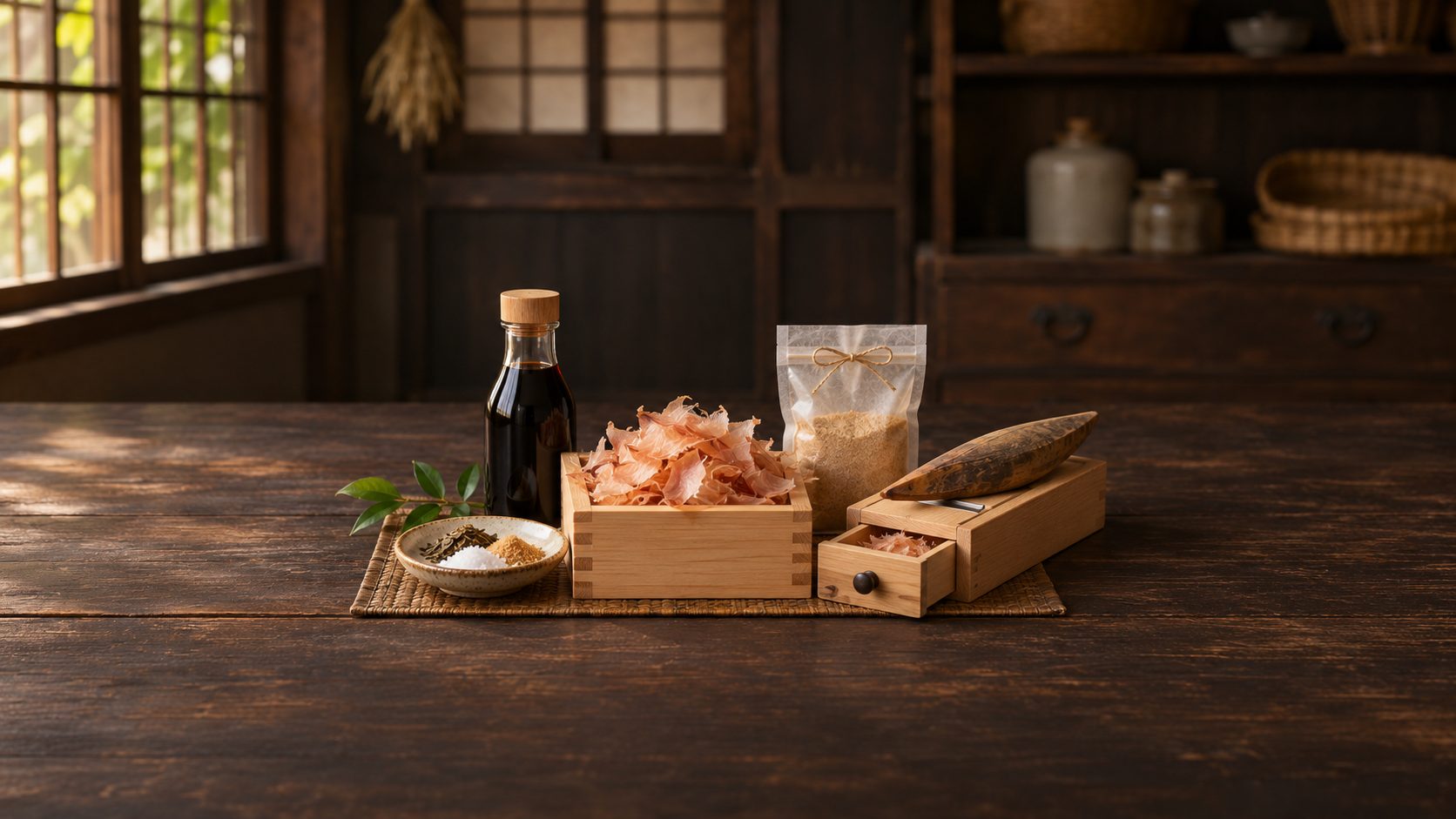
The shop sells tsuyu base, shaved bonito, dashi packs, mixed-rice seasoning and furikake. Its official page also lists bonito salt and a chilli oil with bonito flakes that is sold only at this shop. The Nihonbashi Kezuri-ba, a counter that serves freshly shaved bonito, is attached to the shop, and the shop says it will advise on how to shave. The official page does not list soy sauce or miso, so go here for dashi and shaved bonito.
To try shiro-dashi, start with Ninben's shiro-dashi in our catalogue. The company also has an English site.
Official page: https://www.ninben.co.jp/store/honten/
Asakusa: Yagenbori Nakajima Shoten, Shin-Nakamise Honten
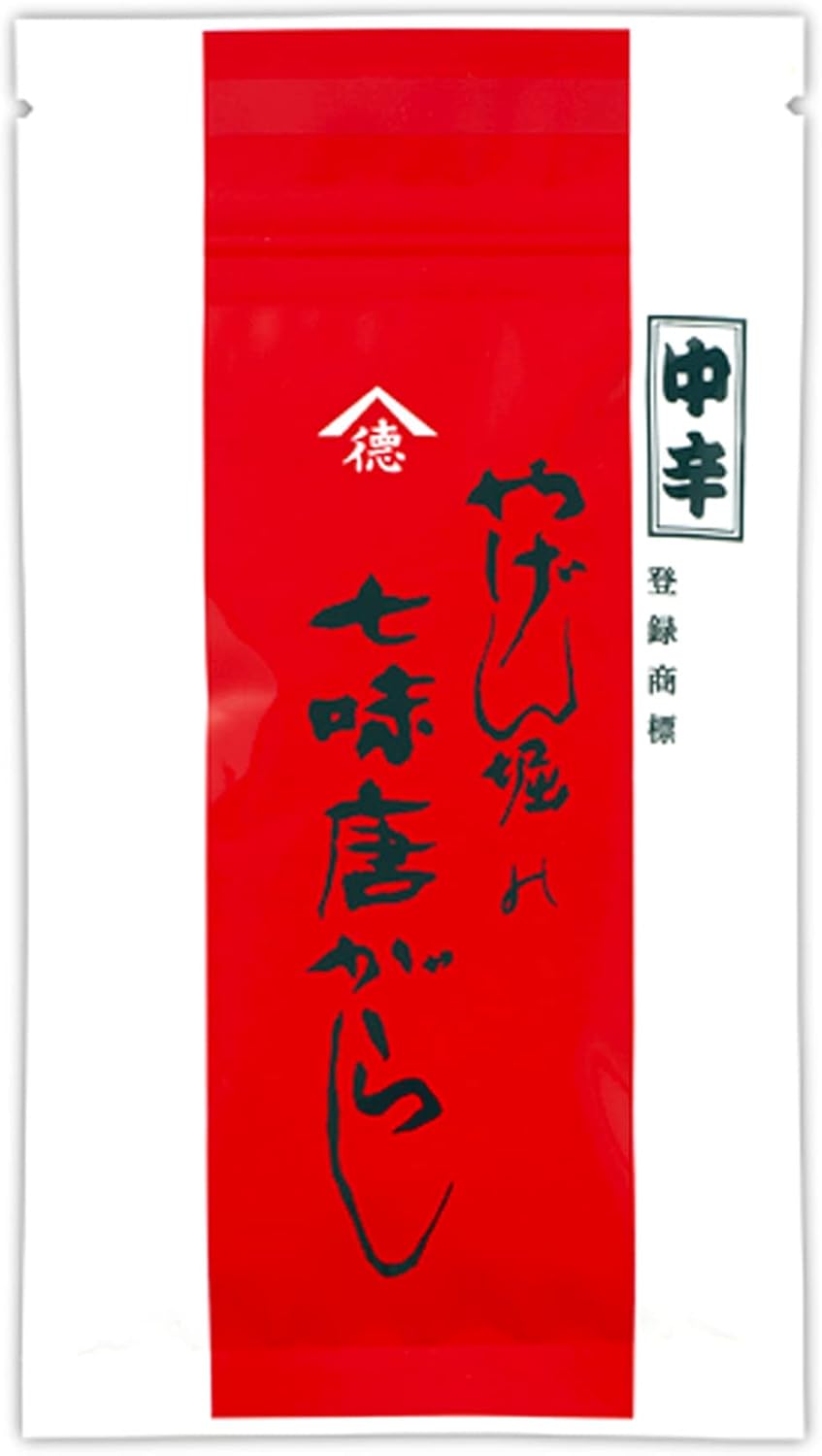
Shichimi togarashi is a seasoning born in Edo's Yagenbori district. Yagenbori has been in business since 1625 (Kanei 2), and it still blends shichimi to order in Shin-Nakamise in Asakusa, to the customer's taste.
- Address: 1-28-3 Asakusa, Taito-ku, Tokyo
- Hours: 10:00 to 18:00
- Closed: check the shop's closing-day calendar on its official page
The official page says it does not check the scent after blending. You tell the staff how hot you want it and how much sansho you like, they blend it, and you buy it. The official page also says that the only online sales are through its own online shop and its official Amazon shop, and that it does not sell at stalls or pop-ups. If you want to buy in Asakusa, this is the flagship to go to.
Our catalogue entry for Yagenbori's shichimi covers its history and how to use it. The company has an official page in English about shichimi.
Official page: https://yagenbori.jp/store/
Ginza: Misogura Tokubei (Matsuya Ginza)
Miso is easiest to choose when you can buy a little at a time. On the second basement floor of Matsuya Ginza, in the food floor called GINZA Food Stage, is Misogura Tokubei, run by Tanaka Tokubei Shoten of Kawaguchi, Saitama.
The shop's official site describes miso sold by weight from 100 grams and tastings, and it says there is a miso sommelier on staff. It sells miso gathered from across Japan, and also its own brand, which it says is sold only in the shop. Opening days and hours follow Matsuya Ginza, so check the department store's information.
The floor is as given on Tokubei's own official site, which says second basement, GINZA Food Stage. Matsuya Ginza's own site did not give floor information when we checked. We visited in September 2026, and the interview article goes into how to choose miso.
Official page: https://miso-tokubei.com/
Tsukiji: Fushitaka
Fushitaka is a dashi specialist in the Tsukiji Outer Market, with bonito, kelp and niboshi. It began in 1918 when the founder set up as a fish wholesaler in Nihonbashi. After the Great Kanto Earthquake it moved to Tsukiji, and it later became a bonito shop.
- Address: 6-27-2 Tsukiji, Chuo-ku, Tokyo
- Hours: 06:30 to 14:30
- Closed: the Tsukiji Outer Market's official shop list says Sundays, public holidays and days the market is closed. On our visit we were told Sundays and Wednesdays, with irregular closings depending on purchasing, so call before you go (phone 03-3541-0918)
In the shop, shaved bonito is sold by weight from 500 grams. People living far away can buy through the shop's official mail order. On our visit we were told that a good way to begin is to choose one kind and compare it with the dashi you already use. It is a morning shop, so it fits into a walk around Tsukiji.
Our interview article explains how Fushitaka blends bonito.
Official page: https://www.fushitaka.com/
Just outside Tokyo: Ikedaya in Wako and Koizumi Koujiya in Yokohama
These are outside Tokyo, but we visited both. The addresses are from our interview articles, and you should check the shops' official sites for their hours.
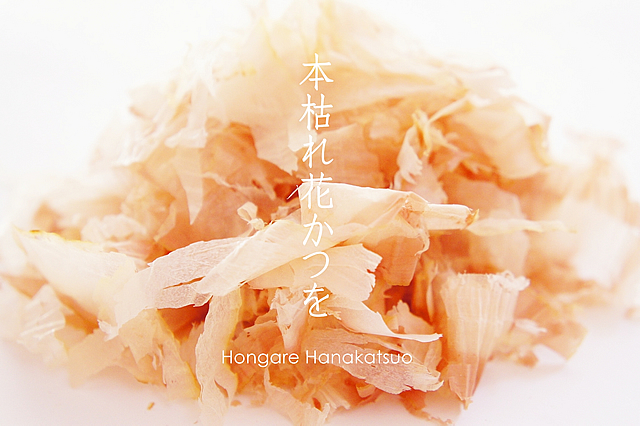
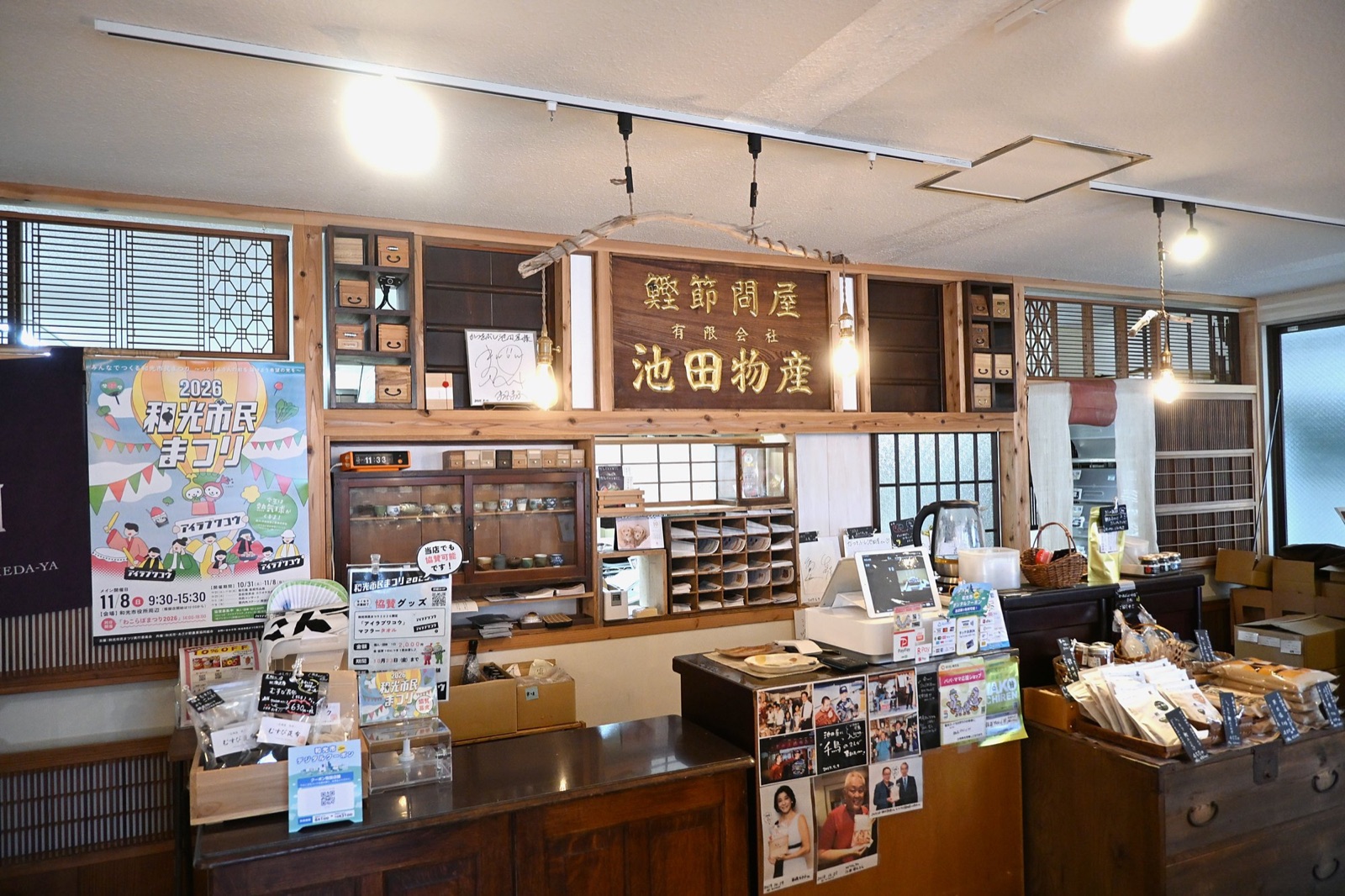
Katsuobushi Ikedaya (Wako, Saitama) The shop is known for hongare hanakatsuo, shaved without steaming. The shop and workshop are at 3-18-17 Shirako, Wako, Saitama, and the bonito can also be bought from the official site and its online shop. See our interview article and the product page for hongare hanakatsuo.
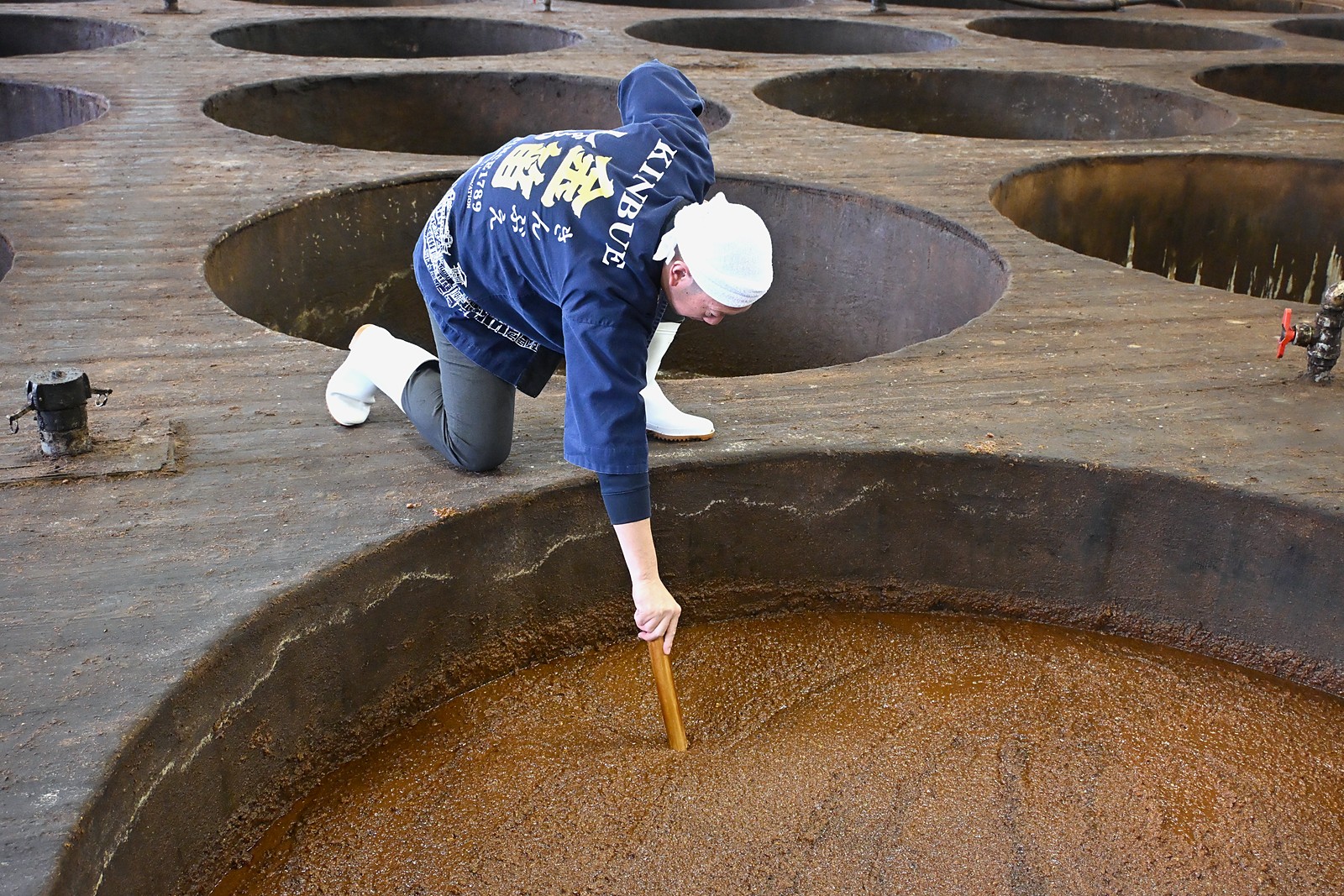
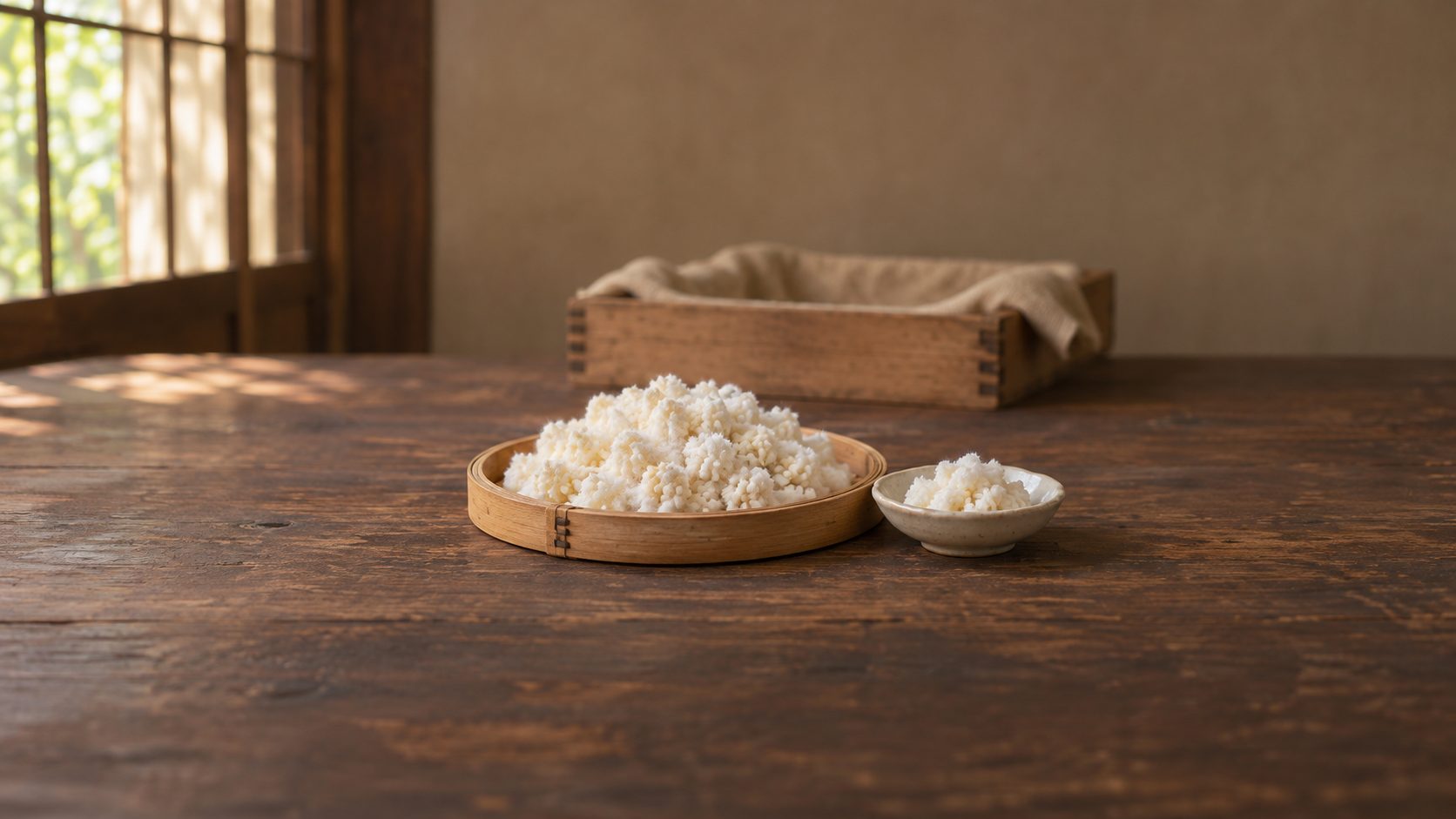
Koizumi Koujiya (Yokohama, Kanagawa) A koji maker founded in 1868. The shop is at 5-24-25 Kikuna, Kohoku-ku, Yokohama, and you can buy fresh rice koji and ready-made shio-koji in the shop and in the online shop. It holds miso workshops about 25 days a month. See our interview article.
Choosing by what you want
| What you want | Where to go | When |
|---|---|---|
| Dashi and shaved bonito | Ninben in Nihonbashi, Fushitaka in Tsukiji | Ninben 11:00 to 19:00, Fushitaka in the morning |
| Shichimi | Yagenbori in Asakusa | 10:00 to 18:00 |
| Miso in small amounts | Misogura Tokubei in Ginza | Matsuya Ginza's opening hours |
| Koji and miso making | Koizumi Koujiya in Yokohama | Check the official site |
If you are unsure, start at Ninben in Nihonbashi. It is close to the station, and it covers the basics of dashi in one visit.
Taking it home
Close the bag of shaved bonito or miso tightly and keep it somewhere cool and dark, or in the refrigerator. If you are taking seasonings out of Japan, the rules differ by country. Our comparison of nine destinations covers them, our guide to carrying miso and soy sauce on a flight out of Japan covers the cabin, and our list of seasonings that travel well suggests light products.
What could not be confirmed
Tax-free shopping and foreign-language service in each shop were not confirmed on the official pages, so they are left out. The hours and closing days here are as confirmed on the official pages on 13 November 2026, and where they differ from what we were told on our visits, the text says so.
Frequently asked questions
Where can I buy dashi and shaved bonito in Tokyo?
At Ninben's Nihonbashi flagship, on the ground floor of COREDO Muromachi 1, and at Fushitaka in the Tsukiji Outer Market. Ninben has a Nihonbashi shaving counter, where bonito is served freshly shaved. Fushitaka sells shaved bonito by weight from 500 grams. Both publish their hours on their official pages.
Where can I buy miso by weight in Tokyo?
At Misogura Tokubei, on the second basement floor of Matsuya Ginza, in the food floor called GINZA Food Stage. The shop's official site describes miso sold by weight from 100 grams, tastings, and a miso sommelier on staff. Opening days and hours follow Matsuya Ginza.
Where can I buy shichimi in Asakusa?
At Yagenbori Nakajima Shoten's Shin-Nakamise flagship. It was founded in 1625 (Kanei 2), and it still blends shichimi to a customer's taste. It is open from 10:00 to 18:00.
Which shop is easiest to fit into a day of sightseeing?
Ninben in Nihonbashi is one minute from exit A6 of Mitsukoshimae Station. Yagenbori is on Shin-Nakamise in Asakusa. Fushitaka is open from 06:30 to 14:30, so it fits a morning in Tsukiji.
What could not be confirmed on the official pages?
Tax-free shopping and foreign-language service in each shop were not confirmed on the official pages, so they are left out. Hours and closing days can change, so check the shop's official page or call before you go.